


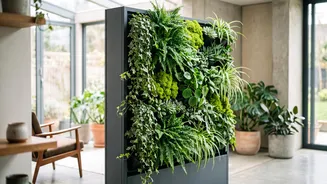
A lush vertical garden can transform any small balcony or bare wall into a green oasis. But the dream can quickly wilt under the weight of maintenance. The secret to a thriving, low-effort living wall isn't a green thumb—it's smart planning.
Choose Your System Wisely
The single
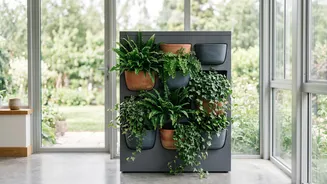
most important decision for easy maintenance is choosing the right type of vertical garden system. Pocket planters, made from materials like felt, are popular and affordable but can dry out quickly and may require frequent watering. Modular or tiered planters, which are stackable plastic or metal containers, offer better soil depth and can be easier to manage. For the ultimate low-maintenance setup, consider a self-watering system. These can be simple wicking beds made from PVC pipes that draw water up to the plant roots as needed, or more advanced drip irrigation systems. While they have a higher initial cost, automated systems prevent the most common failure: inconsistent watering.
Mastering the Art of Watering
Vertical gardens are prone to watering issues. Gravity pulls water downwards, often leaving plants at the top dry while those at the bottom become waterlogged. This leads to root rot and wasted resources. The solution is controlled watering. A simple watering can with a long spout allows you to water each pocket individually. For a more hands-off approach, a drip irrigation system with a timer is highly effective. It delivers water directly to the roots, conserving moisture and ensuring every plant gets what it needs. Always check the soil before watering; it should feel slightly damp, not soaked. Watering in the morning is also preferable, as it allows leaves to dry during the day, reducing the risk of fungal diseases.
Soil and Nutrition in a Small Space
In the limited space of a vertical planter, soil composition is critical. Standard garden soil is too heavy and can become compacted, restricting root growth and aeration. Opt for a lightweight, well-draining potting mix specifically designed for containers. A good mix often contains coco peat for moisture retention and perlite for aeration. Because nutrients are limited in small containers, regular feeding is necessary during the growing season. A balanced liquid fertiliser applied every few weeks or slow-release pellets mixed into the soil will keep your plants healthy and vibrant without much fuss.
The Right Plants for the Right Place
Plant selection is key to a low maintenance vertical garden. Choose plants suited to your specific light conditions—sun loving varieties for a bright wall and shade tolerant plants for a darker corner. For sunny spots in India, hardy choices like Portulaca and Vinca (Sadabahar) are excellent. For shadier areas, you can't go wrong with Money Plant (Pothos), Spider Plant, Syngonium, and various types of ferns. Succulents are another fantastic, drought tolerant option for hot, dry locations. Also, consider the plant's growth habit. Trailing plants like Philodendrons and compact herbs like mint and thyme work well and are easy to manage. Avoid plants with deep root systems, which will quickly become root bound in shallow planters.
Simple Pest and Disease Control
Because plants are close together, pests can spread quickly in a vertical garden. The best defence is regular inspection. Check for common pests like aphids and spider mites. Good air circulation between plants can prevent many problems. If you spot an issue, often a strong spray of water is enough to dislodge pests. For more persistent problems, natural solutions like neem oil spray are effective. Regular pruning is also a crucial maintenance task. Trimming away dead or yellowing leaves and overgrowth not only keeps the garden looking tidy but also improves airflow and prevents the spread of disease.