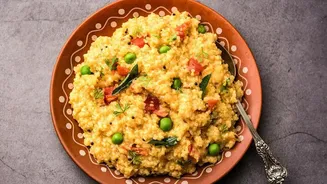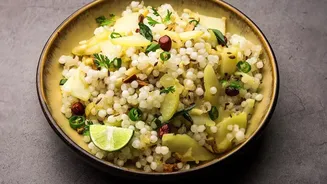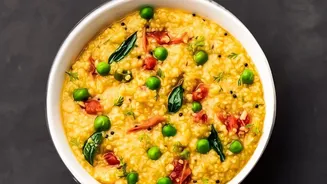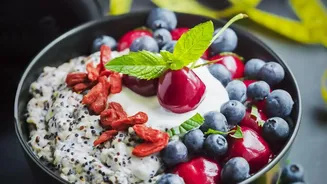





In the world of fitness, balancing powerful nutrition with comforting, easy-to-digest meals can be a challenge. Enter oats khichdi, a modern twist on a timeless Indian classic that perfectly marries energy and muscle-repairing nutrients.
A Modern Twist on a Classic Comfort Food
Khichdi has long
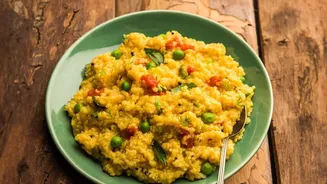
been cherished in Indian households as a wholesome, restorative one-pot meal. Traditionally made with rice and lentils like moong dal, it's known for being gentle on the stomach and deeply nourishing. The modern variation swaps traditional rice for oats, a powerhouse grain celebrated for its health benefits. This simple change transforms the humble khichdi into a strategic meal for athletes and fitness enthusiasts, packing a punch with complex carbohydrates, plant-based protein, and essential nutrients. It’s a versatile dish that retains its comforting soul while catering to the high-performance demands of an active lifestyle.
Carbohydrates: Your Primary Energy Source
Effective training requires fuel, and carbohydrates are your body's preferred energy source. Oats are a fantastic source of complex carbohydrates, which, unlike simple sugars, break down slowly. This provides a steady, sustained release of energy, preventing the sudden spikes and crashes that can derail a workout. Consuming a meal rich in complex carbs like oats khichdi one to three hours before training tops up your muscle glycogen stores—your body's onboard energy tank—allowing you to perform at your peak for longer. This slow-burning fuel is crucial for endurance and maintaining high intensity levels throughout your session.
Protein: The Building Block for Recovery
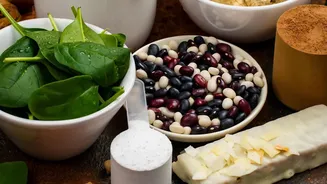
While carbohydrates provide the fuel to perform, protein is essential for what happens after: repair and recovery. Intense exercise creates tiny microstears in your muscle fibres, and protein provides the amino acids necessary to rebuild them stronger. The lentils (dal) in khichdi, such as moong or masoor dal, are excellent sources of plant-based protein. Consuming protein post-workout helps kickstart muscle protein synthesis, the process of muscle repair and growth. This not only aids in building strength but also reduces muscle soreness, helping you recover faster and get ready for your next session. A well-timed, protein-inclusive meal is a non-negotiable part of any serious training regimen.
The Art of Balancing Carbs and Protein
The magic of training nutrition lies in the synergy between carbohydrates and protein. Consuming them together can enhance the benefits of both. As a pre_workout meal, a balanced dish like oats khichdi provides both the immediate energy to power through your exercise and the initial amino acids to 'prime the pump' for recovery. For post_workout recovery, the combination is even more critical. Carbohydrates replenish depleted glycogen stores, while protein gets to work on muscle repair. The ideal ratio can vary depending on your workout's intensity and type. Endurance athletes may aim for a 3:1 or 4:1 carb_to_protein ratio to prioritise refuelling, while strength_focused individuals might opt for a more protein_heavy balance. The best time to eat your recovery meal is within 30 to 60 minutes after exercise, when your body is most receptive to absorbing nutrients.
Customising Your Ultimate Training Khichdi
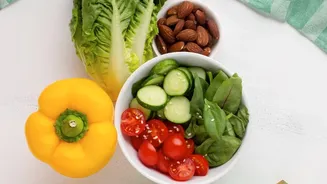
One of the greatest strengths of oats khichdi is its adaptability. You can easily modify it to meet your specific nutritional needs and taste preferences. To increase the protein content, consider adding more lentils, or incorporate paneer, tofu, or a side of Greek yogurt. For extra fibre, vitamins, and minerals, load it up with vegetables like spinach, carrots, peas, and bell peppers. These additions not only boost the nutritional value but also enhance hydration, as many vegetables have high water content. Using spices like turmeric provides anti_inflammatory benefits, further aiding recovery. For a pre_workout meal, keep the fat content low to ensure easy digestion. For a post_workout version, a dollop of ghee can add healthy fats and flavour, assisting in a well_rounded recovery.