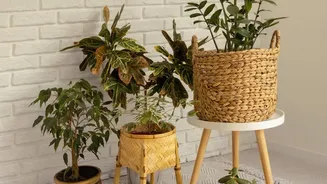




When pollution levels spike, many of us look for simple ways to protect our homes. Bringing the outdoors in with beautiful houseplants seems like a natural solution. But can they really clean the air? It's time for a reality check.
The Myth: Plants Are Nature's Air Purifiers
The belief that houseplants
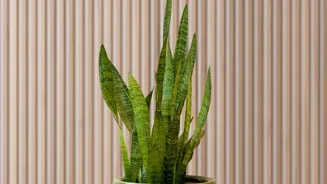
can effectively scrub our indoor air is incredibly popular. This idea gained significant traction from a 1989 NASA study which found that certain plants could remove chemical vapours from sealed chambers. The study concluded that plants might be useful for cleaning the air on space stations. Since then, countless articles have promoted species like snake plants, money plants, and peace lilies as must-haves for purifying home environments, creating a widespread belief that a few pots of greenery are a powerful tool against indoor pollution.
The Reality: Sealed Chambers vs. Your Living Room
The problem is that a home is nothing like a sealed NASA test chamber. Those experiments were conducted in small, airtight containers where pollutants were injected and had nowhere else to go. In contrast, a typical home has constant air exchange with the outdoors through windows, doors, and tiny gaps. This ventilation, however minimal, has a much larger effect on indoor air quality than the slow purification rate of plants. Subsequent research has shown that to replicate the cleaning effect seen in labs, you would need an impractical number of plants—some studies estimate anywhere from 10 to 1,000 plants per square meter of floor space to make a meaningful difference.
The Pollutants Plants Can (and Can't) Handle
The NASA study focused on Volatile Organic Compounds (VOCs), which are gases released from things like paint, furniture, and cleaning products. Plants and the microbes in their soil can absorb some of these gases. However, during severe pollution events in India, the primary concern is often particulate matter, specifically PM2.5—tiny, harmful particles from smoke and exhaust. The science is clear that plants do very little to remove these fine particles from the air. While some dust might settle on their leaves, this is a negligible effect compared to the sheer volume of particles present during a smog event. For tackling PM2.5, plants are simply not the right tool for the job.
The Real, Proven Benefits of Indoor Plants
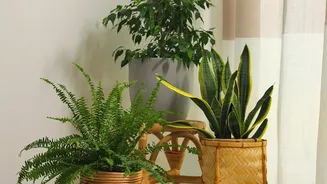
This doesn't mean your houseplants are useless—far from it. Their benefits are just more psychological than physiological when it comes to air quality. Numerous studies have shown that the presence of indoor plants can significantly boost mental well_being. They have been found to reduce stress and anxiety, improve mood, and even increase productivity and focus. The simple act of caring for a plant can be a mindful, grounding activity that provides a sense of routine and accomplishment. So, while they might not be cleaning the air, they are certainly making our indoor spaces feel healthier and happier.
The Right Tools for Cleaner Indoor Air
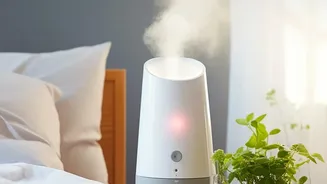
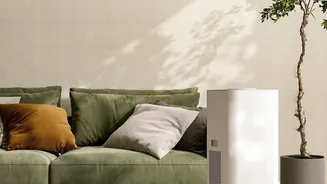
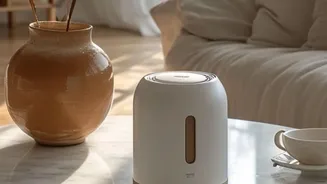
When facing high levels of pollution, you need solutions proven to work. The most effective way to remove PM2.5 and other particulates from your home is by using a high_efficiency particulate air (HEPA) filter. A good quality air purifier, sized correctly for the room, will mechanically filter out harmful particles far more effectively than any number of plants. Other important steps include reducing indoor sources of pollution by avoiding incense, strong chemical sprays, and ensuring your kitchen has good ventilation when cooking. On days when outdoor air quality is good, ventilating your home by opening windows is a simple and effective strategy to flush out accumulated indoor pollutants.