







Understanding the July Travel Rush
July is a peak travel month across India for several reasons. For students, it marks the end of summer holidays and the beginning of a new academic year, leading to a mass migration back to colleges and universities. This travel pattern coincides with
the summer vacation rush for families and also falls within the window of various regional festivals and wedding seasons. This convergence creates immense pressure on the regular train network, with tickets on popular routes getting sold out moments after the booking window opens. The demand surge often leads to long waitlists, forcing students into expensive last-minute travel alternatives or uncertain journeys with unconfirmed tickets.
What Exactly Are 'Special Trains'?
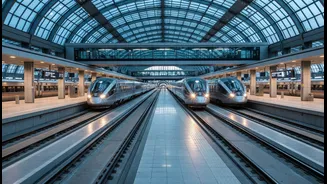
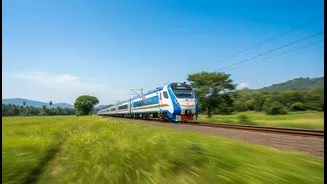
To manage these predictable seasonal peaks, Indian Railways operates 'special trains'. These are additional services that are not part of the regular, year-round timetable. They are deployed specifically to clear extra passenger traffic during high-demand periods like summer holidays, major festivals such as Rath Yatra and Onam, or academic sessions. For the summer of 2026, which includes the busy month of July, Indian Railways has announced a massive deployment of special train trips to connect major metropolitan hubs with various parts of the country. These trains often have unique numbers, slightly different schedules, and are announced through separate notifications.
Why These Trains Are a Game-Changer
For students navigating the chaos of July travel, special trains offer several distinct advantages. The most significant benefit is increased availability. With thousands of extra trips scheduled, the chances of securing a confirmed berth are substantially higher compared to endlessly waitlisted regular trains. These services are often planned on high-demand corridors that are popular with the student community, connecting cities like Mumbai, Delhi, Pune, and Bengaluru to towns in Uttar Pradesh, Bihar, Bengal, and other states. This targeted routing means you might find a convenient service that gets you closer to your educational institution. While these trains might have 'special charges' making them marginally more expensive than their regular counterparts, they provide a reliable and cost-effective alternative to surge-priced flights or buses.
Your Strategy for Finding and Booking
Finding information about special trains requires a proactive approach. The key is to monitor official channels. The most reliable sources are the IRCTC website and its official mobile app, 'IRCTC Rail Connect'. Additionally, follow the official social media handles (especially on X, formerly Twitter) of the various zonal railways, such as Western Railway (@WesternRly) or Southern Railway (@GMSRailway), which regularly post updates. The National Train Enquiry System (NTES) app is another essential tool for tracking announcements and schedules. When you search for trains on the IRCTC portal, make sure not to filter out special trains. Bookings typically open 60 days in advance, and it's crucial to book as soon as the notification is released, as seats fill up fast.
Smart Tips for a Confirmed Berth
To maximise your chances, be prepared. Have your IRCTC account login details ready and your passenger list saved beforehand for a quicker checkout process. Flexibility can be your best friend; if your travel dates are flexible by a day or two, you are more likely to find an available seat. If you miss the initial booking window, don't lose hope. Check for Tatkal quota bookings, which open one day before the train's departure. Another useful feature is the VIKALP scheme, which can automatically assign you a berth on a different train (including special services) if you have a waitlisted ticket on your preferred train. Also, remember to check the chart status a few hours before departure, as last-minute cancellations can lead to vacant berths being released.