

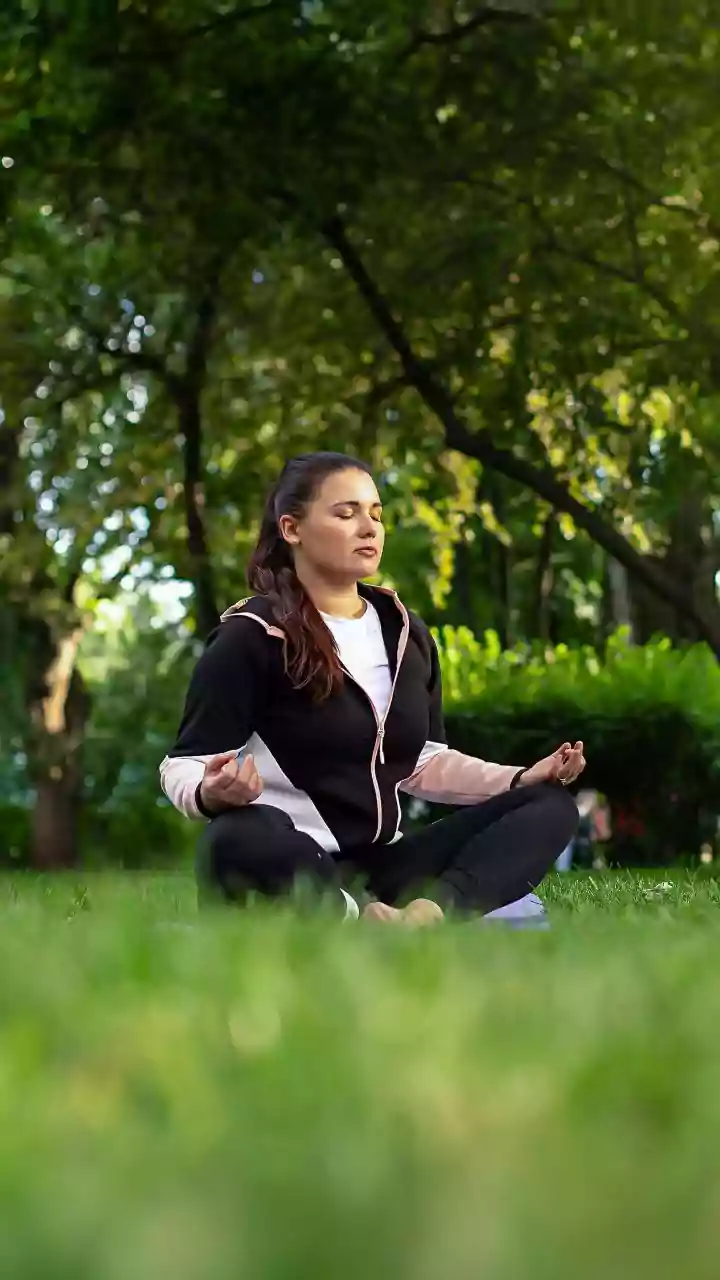





What Exactly Is Breath Awareness?
Breath awareness is the simple practice of observing your breath without trying to change it. It’s not about forcing deep, dramatic inhales or performing complex exercises. Instead, it's about becoming a curious spectator of your own breathing. Is it fast
or slow? Deep in your belly or shallow in your chest? By simply noticing, you anchor yourself in the present moment, as your breath only ever happens right now. This practice is a form of mindfulness meditation and is often the most accessible starting point for anyone new to meditation.
The Gentle Power of a Simple Habit
So, why bother? Consciously connecting with your breath helps activate your body's 'rest and digest' system, also known as the parasympathetic nervous system. This simple action can help lower your heart rate, reduce blood pressure, and decrease stress hormones like cortisol. Over time, a consistent practice can lead to better emotional regulation, improved focus, and even better sleep. It’s a free, powerful tool for managing the pressures of daily life that's available to you at any moment.
Your First Exercise: The Three-Minute Pause
Ready to try? You don’t need special equipment or a quiet room, just a few minutes. 1. Find a comfortable position, sitting or lying down. Place one hand on your belly. 2. Close your eyes if you feel comfortable, or soften your gaze. 3. Simply bring your attention to your breath. Don't try to change anything. Just notice the air moving in and out. 4. Feel the gentle rise and fall of your belly under your hand as you breathe. This is a sign you are using your diaphragm, which promotes fuller, more relaxed breathing. 5. Your mind will wander. That's completely normal. When you notice your thoughts have drifted, gently guide your focus back to the sensation of your breath. The goal isn't to have an empty mind, but to practice returning your attention without judgment. Try this for just three to five minutes.
Building a Comfortable Routine
Consistency is more important than duration, especially when you're starting out. Trying to force a long, 30-minute session every day can quickly lead to burnout. Instead, aim for just five minutes a day. The key is to link the new habit to an existing one. Try practicing right after you brush your teeth in the morning, during your lunch break, or just before you go to sleep. Pick a technique that feels right for you; what works for a friend might not be your preference. Finding a quiet, comfortable corner can help, but you can practice this anywhere—at your desk, in your car, or while waiting in line.
Navigating Common Beginner Hurdles
It's normal to face challenges. Many beginners feel restless, impatient, or like their mind is too 'busy' to quiet down. Remember, the goal isn't to stop thinking. It's to notice you're thinking and gently come back to the breath. Some people also feel sleepy, while others experience doubt, wondering if they're 'doing it right'. Another common issue is becoming overly conscious of the mechanics of breathing, which can feel awkward. If this happens, shift your focus to an external sensation, like the feeling of your feet on the floor, before returning to the breath. Be patient with yourself; this is a skill that develops over time.