







A New Chapter in Overnight Travel
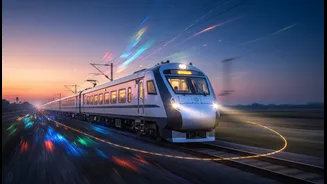
The Vande Bharat Express, first launched in 2019, quickly became a symbol of modern Indian rail travel for daytime journeys. Now, Indian Railways is expanding this popular platform to overnight routes with the introduction of the Vande Bharat Sleeper.
The first service was inaugurated on January 17, 2026, connecting Howrah and Kamakhya, a significant corridor linking Eastern and North-Eastern India. Designed for medium to long-distance routes of 800 to 1,200 km, these trains aim to provide a faster, more comfortable, and safer alternative to existing sleeper services, positioning themselves as a direct competitor to the long-standing Rajdhani Express. The initial response has been overwhelming, with tickets for the inaugural service selling out rapidly, signalling strong public demand for premium overnight travel options.
Engineered for Speed and Efficiency
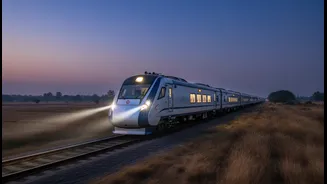
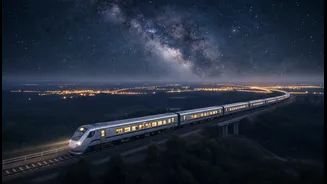
A key advantage of the Vande Bharat platform is its speed and efficiency. Unlike traditional locomotive-hauled trains, Vande Bharat uses a distributed power system, with motors in multiple coaches. This allows for rapid acceleration and deceleration, with the train capable of reaching 100 km/h in under a minute. While the trainsets have a design speed of 180 km/h and have achieved it in trials, their operational speed is typically capped at 160 km/h, depending on track conditions. This technology not only helps reduce journey times but also enables quicker turnarounds at terminal stations, as the train has driver cabins at both ends. The first sleeper route between Howrah and Kamakhya, for instance, is expected to cut travel time by approximately three hours compared to other express trains on the same route.
Redefining Comfort and Onboard Experience
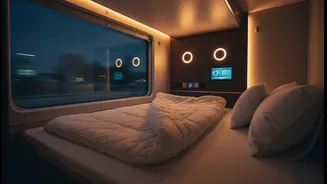
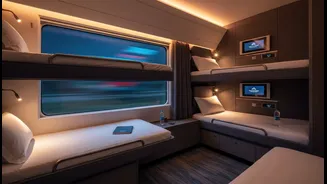
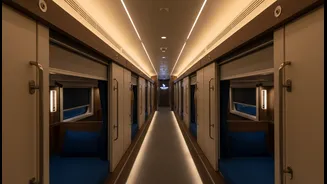
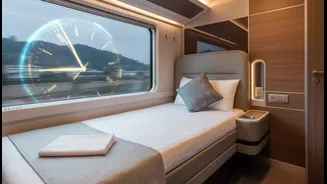
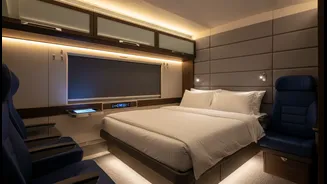
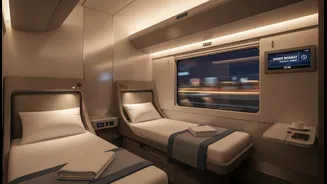
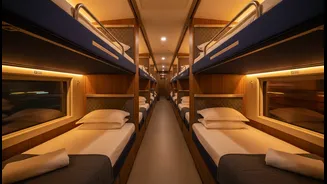
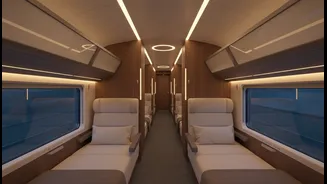
The Vande Bharat Sleeper has been engineered with passenger comfort at its core. The train features 16 air-conditioned coaches with a three-class configuration: AC First, AC Two-Tier, and AC Three-Tier, accommodating a total of 823 passengers. Berths are designed to be wider and have better cushioning for improved sleep quality. Each berth is equipped with personal reading lights and charging sockets. Attention to detail extends to the washrooms, which feature bio-vacuum toilets with odour control and sensor-based taps. First AC passengers will even have access to hot shower facilities, a first for many routes on Indian Railways. Furthermore, enhanced soundproofing, automatic interconnecting doors, and fully sealed gangways create a quieter, dust-free, and climate-controlled environment, a significant upgrade from conventional trains.
Safety as a Top Priority
Alongside speed and comfort, the Vande Bharat Sleeper incorporates advanced safety features. The trains are equipped with Kavach, India's indigenous Automatic Train Protection (ATP) system, designed to prevent collisions. A network of CCTV cameras provides enhanced security, while an aerosol-based fire detection and suppression system adds another layer of safety. The automatic doors prevent accidental falls, a persistent issue on older trains with manual doors. An emergency talk-back system allows passengers to communicate directly with the train's crew in case of an emergency, ensuring peace of mind throughout the journey.
Boosting Domestic Tourism and Connectivity
The introduction of Vande Bharat Sleeper trains is a strategic move to boost domestic tourism and improve inter-regional connectivity. By offering a faster and more comfortable overnight travel option, Indian Railways is making weekend getaways and multi-day trips to tourist destinations more appealing and accessible. The initial route connecting West Bengal with Assam is just the beginning. Several other high-demand corridors are planned, including routes like Delhi-Mumbai and Bengaluru-Mumbai, which will significantly reduce travel times compared to current services. This improved connectivity not only benefits tourists but also serves business travellers, students, and families, fostering economic integration and making it easier for people to travel across the country for both work and leisure.