


The Journey Is The Main Attraction
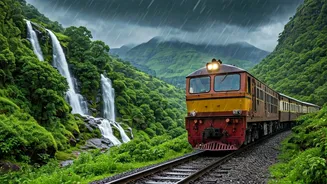
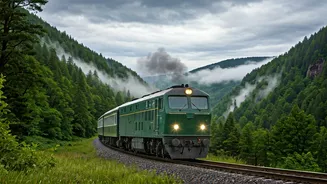
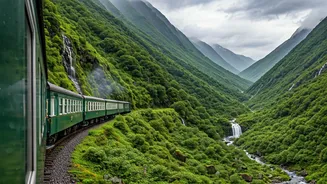
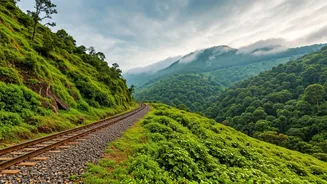
For once, the destination can wait. The primary reason young travellers are flocking to Araku Valley is the journey itself. The train ride from Visakhapatnam to Araku is a legendary route that cuts through the heart of the Eastern Ghats. We’re talking
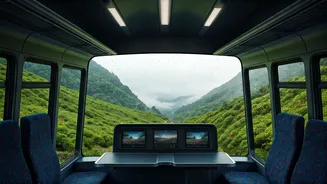
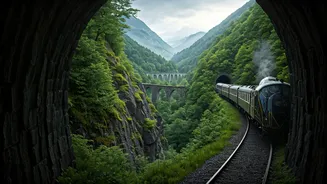
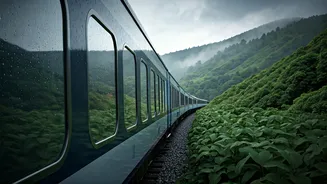
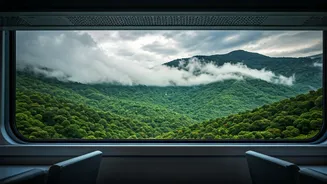
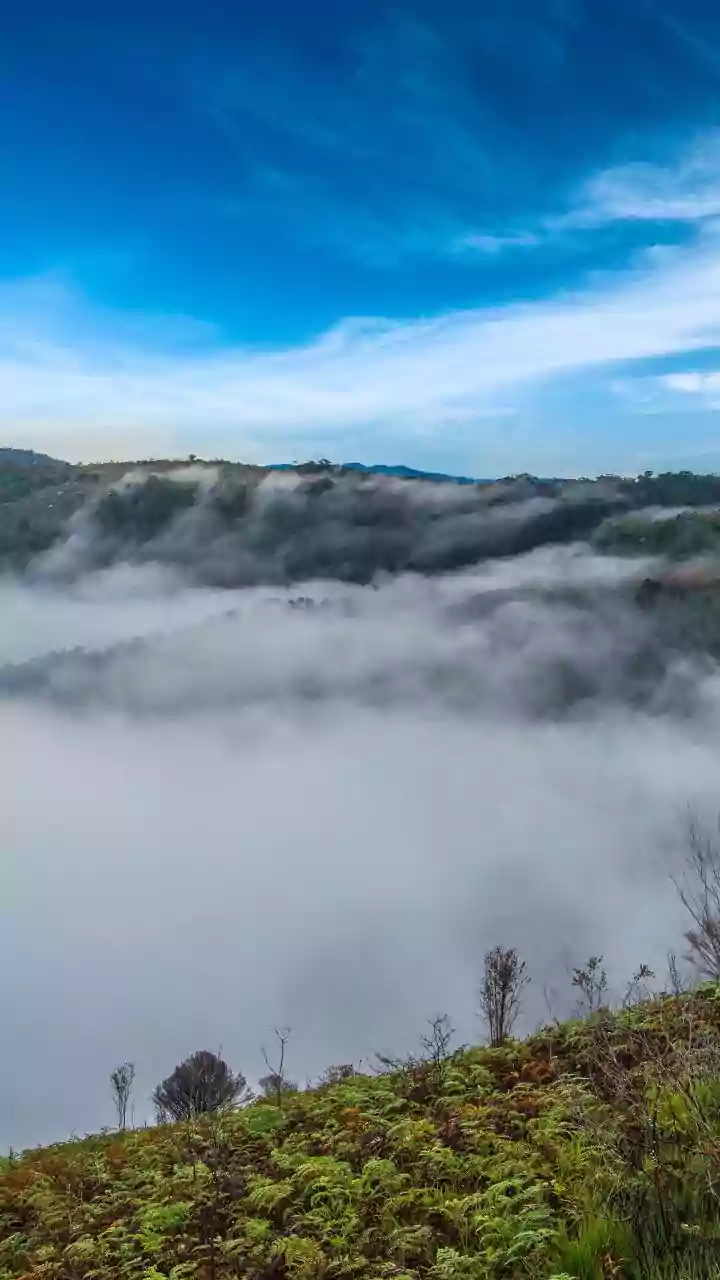
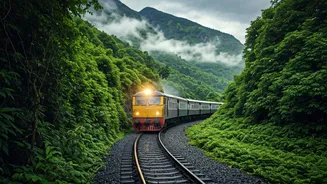
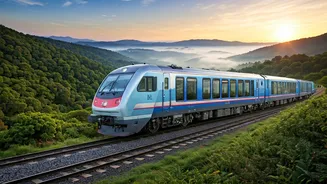
about a four-hour voyage that navigates through over 80 tunnels and across dozens of dramatic bridges and viaducts. The star of this show is the Vistadome coach, an addition by Indian Railways that has completely transformed the experience. With its massive glass windows, transparent roof panels, and 360-degree rotating seats, the coach is a moving viewpoint designed for immersion. Passengers are no longer just travelling; they are part of a rolling, cinematic experience, watching as the landscape shifts from coastal plains to dense forests and misty green valleys.
Maximum Vistas, Minimum Cost
In an era of curated social media feeds, the Araku train journey is pure content gold. Every tunnel exit reveals a new, spectacular vista perfect for an Instagram story or a travel reel. The sight of a waterfall cascading down a hillside or the train curving gracefully over a high bridge is an irresistible photo opportunity. But unlike many “Instagrammable” destinations that come with a hefty price tag, this experience is remarkably accessible. Train travel remains one of the most economical modes of transport in India. For a young professional or a college student, the ability to have a world-class travel experience without breaking the bank is a massive draw. It democratises adventure, proving that you don’t need a huge budget to collect incredible memories and stunning photographs.
Beyond the Rails: Araku’s Quiet Charm
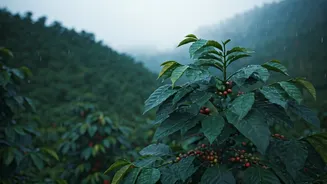
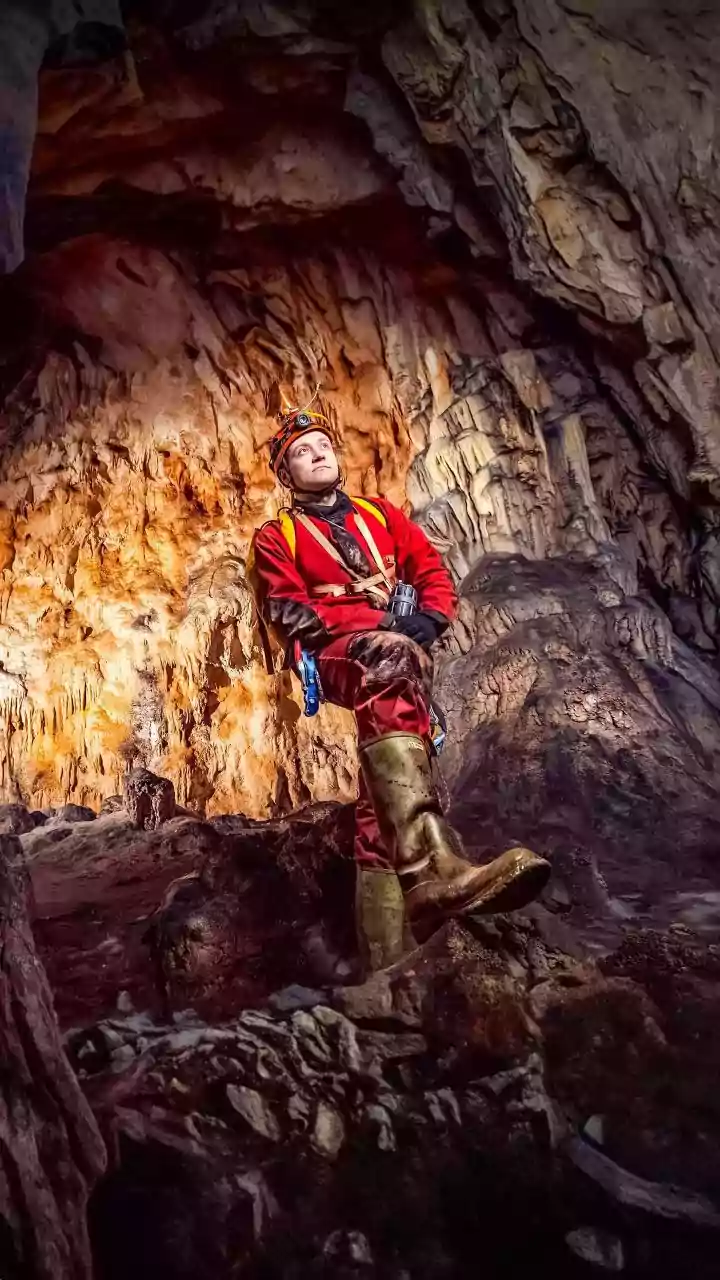
The journey might be the showstopper, but the destination is far from an anticlimax. Araku Valley, often called the 'Ooty of Andhra,' offers a refreshing escape from urban chaos. The valley is famous for its sprawling coffee plantations, where visitors can learn about the journey from bean to cup and sample aromatic local brews. The region’s natural wonders, like the million-year-old Borra Caves with their stunning stalactite and stalagmite formations, and the serene Katiki Waterfalls, provide ample opportunities for trekking and exploration. There is also a rich cultural element. The Tribal Museum offers insights into the lives and traditions of the indigenous communities of the Eastern Ghats, adding a layer of depth to the scenic beauty. This combination of nature, culture, and coffee makes Araku a well-rounded destination that rewards the curious traveller.
A Search for Slower, Authentic Travel
The trend also speaks to a broader shift in how young Indians perceive travel. In a world of fleeting digital connections and fast-paced city life, the slow, rhythmic clatter of a train on its tracks offers a form of meditative escape. It’s a forced digital detox where the only screen you want to look at is the window. This journey evokes a powerful sense of nostalgia, reminding many of childhood holidays spent on trains with family. It’s a shared, communal experience that feels more authentic and grounded than the sterile, anonymous environment of air travel. By choosing the train, young travellers are consciously opting for a slower, more deliberate way of seeing their country, prioritising the experience of the journey over the speed of arrival.