





More Than a Dripping Tap
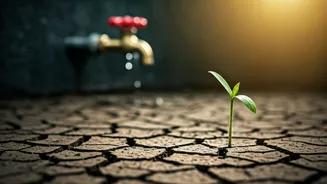
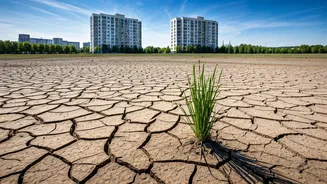
India is facing one of the worst water crises in its history, a challenge that goes far beyond seasonal shortages and delayed monsoons. According to reports from NITI Aayog, hundreds of millions of Indians face high to extreme water stress. Major cities
like Bengaluru, Chennai, and Delhi are already experiencing the consequences of this scarcity, from plummeting groundwater levels to a heavy reliance on water tankers. While factors like climate change and rapid urbanisation are significant drivers, a crucial and often overlooked element is the way we live. The crisis is no longer just an environmental or policy issue; it's a direct consequence of our collective lifestyle choices.
The Invisible Water We Consume
The problem lies in what experts call 'virtual water'—the vast amount of water used to produce the goods and services we consume every day. This is different from the direct water we use for drinking or washing. Every product, from a cup of coffee to a smartphone, has a 'water footprint', which is the total volume of freshwater used throughout its production process. India, despite having only 4% of the world's fresh water for 18% of its population, has become a major exporter of virtual water through water-intensive products, further straining our domestic resources.
Your Plate's Hidden Water Cost
Agriculture is the largest consumer of water in India, accounting for a massive portion of our national water footprint. The dietary choices we make have a profound impact. For instance, producing one kilogram of rice, a staple in many Indian diets, requires thousands of litres of water. Sugarcane is another incredibly thirsty crop. A single cup of coffee can have a water footprint of around 140 litres, compared to about 34 litres for a cup of tea. As incomes rise and diets diversify, there is often a shift towards more water-intensive foods, including meats and processed goods, which carry an even larger virtual water cost.
The Price of Fast Fashion
The fashion industry is another major contributor to water stress. Cotton, the backbone of much of the textile industry, is a notoriously water-guzzling crop. It can take up to 10,000 litres of water to produce just one kilogram of cotton—roughly the amount needed for a single pair of jeans. The rise of fast fashion, with its emphasis on rapid production cycles and low-cost garments, encourages a culture of disposability that places an enormous burden on water resources, from the farm to the factory dye pits. This trend directly contributes to the depletion and pollution of water bodies in manufacturing hubs across the country.
Rethinking Our Relationship with Water
Tackling water stress requires more than just shorter showers and fixing leaks, though those actions are still important. It demands a fundamental shift in our consumption patterns. This means making more conscious choices as consumers. We can opt for local and seasonal produce, which often has a lower water footprint. We can reduce our consumption of heavily processed foods and beverages. In fashion, this means investing in clothes that last longer and supporting brands that are transparent about their water management practices. It's about understanding that every purchase is a vote for the kind of world we want to live in—and the amount of water we are willing to spend.