


The Concrete Jungle's Green Problem
As Indian cities expand, natural habitats are shrinking and breaking apart. This process, known as habitat fragmentation, creates isolated islands of green, making it difficult for wildlife to move, find food, and breed. For birds, bees, butterflies,
and other small creatures, a sprawling city can feel like a vast desert. This is where the surprising power of a small balcony garden comes into play. While we often think of large parks as the only havens for nature, a network of smaller green spaces can be just as crucial. These patches act as ‘stepping stones’, forming a corridor that helps wildlife navigate the urban environment. By creating a small refuge on your balcony, you are building a single, crucial link in a much larger chain of survival.
Why Native Plants Are a Superior Choice
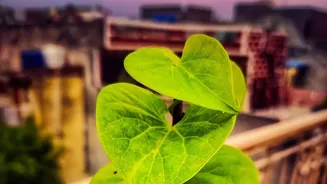
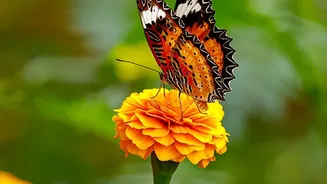
When creating a wildlife-friendly space, not all plants are created equal. Native plants—species that have naturally occurred in our region for thousands of years—are the foundation of the local food web. They have co-evolved with local insects, birds, and other animals, forming symbiotic relationships that ornamental or exotic plants simply cannot replicate. For instance, many butterfly and moth caterpillars can only feed on specific native host plants. While a foreign ornamental flower might offer some nectar, it doesn't support the entire life cycle of these crucial pollinators. Furthermore, native plants are perfectly adapted to our local climate and soil conditions, meaning they generally require less water, fertilizer, and fewer pesticides. Choosing native species like Hibiscus, Marigold, or Tulsi isn't just a gardening choice; it's an act of ecological restoration.
Creating Your Balcony Sanctuary
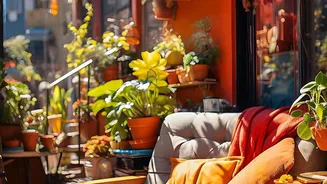
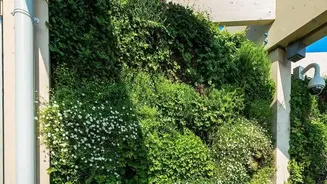
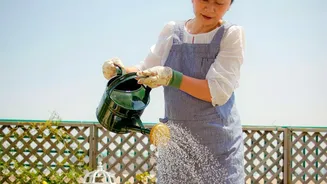
Transforming your balcony into a wildlife haven is easier than you think. First, consider your space's conditions, particularly sunlight. Does your balcony get blazing afternoon sun or gentle morning light? This will determine which plants will thrive. Ensure your pots have good drainage to prevent root rot, a common issue in container gardening. When it comes to size, bigger is often better, as larger pots hold more soil and moisture, giving roots more room to grow and providing better insulation against temperature extremes. A mix of plant types will create a more dynamic habitat. Think vertically with climbers like Aparajita (Butterfly Pea), add flowering shrubs like Ixora, and fill smaller pots with seasonal bloomers like Genda (Marigold). This variety ensures a continuous supply of food and shelter throughout the year.
More Than Just Pretty Flowers
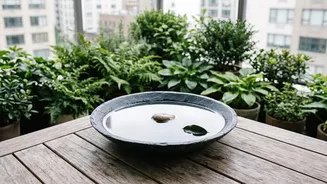
A native plant garden offers more than just nectar for pollinators. The dense foliage of shrubs provides essential shelter for small birds and insects, protecting them from predators and harsh weather. Fallen leaves and twigs in your pots create a micro-habitat for beneficial insects. Providing a shallow dish of clean water can be a game-changer, attracting birds that come to drink and bathe. Even the plants you grow for your kitchen can play a role. Allowing herbs like coriander and mint to flower provides a valuable food source for tiny pollinators. By ditching chemical pesticides and embracing natural pest management, you create a safe environment for all visitors. A ladybird munching on aphids is a sign of a healthy, functioning ecosystem right outside your window.