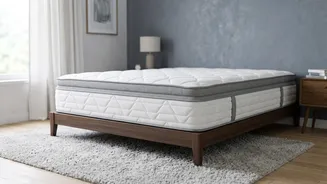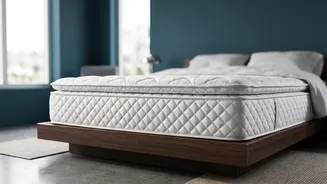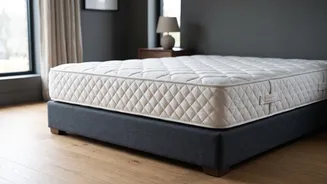







Choosing a new mattress can feel overwhelming. The world of spring mattresses, with its talk of coils and support, is especially confusing. But the perfect choice really does boil down to your unique needs and preferences.
The Core of the Matter: Coils Explained
At the heart of every spring
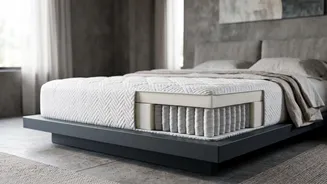
mattress is its coil system, which provides the fundamental support. The two most common types you'll encounter are Bonnell coils and pocketed coils. Bonnell coils are the traditional, hourglass-shaped springs that are all wired together. This creates a very firm, durable, and bouncy mattress at a budget-friendly price. The main drawback is motion transfer; because the coils are connected, when your partner moves, you feel it. Pocketed coils, on the other hand, are individual springs each wrapped in its own fabric pocket. They move independently, which allows the mattress to contour to your body's shape, relieve pressure points, and drastically reduce motion transfer. This makes them an excellent choice for couples and those with back or joint pain, though they typically come at a higher price point.
Decoding Support vs. Firmness
Many people use 'support' and 'firmness' interchangeably, but they are two different things. Support comes from the mattress's core—the coil system—and refers to its ability to keep your spine in a neutral alignment. A mattress with good support prevents your heavier parts, like your hips, from sinking too low. Firmness, however, describes the feel of the mattress's top comfort layers. These are the layers of foam, latex, or padding that sit above the springs. A mattress can be very soft and plush on the surface while still having a highly supportive coil system underneath. Conversely, a very firm mattress might not offer good support if it doesn't allow for any contouring to your body's natural curves. The goal is to find a supportive core paired with a firmness level that feels comfortable to you.
Your Sleep Position is Key
How you sleep is one of the most critical factors in choosing a mattress. Your preferred position determines where your body needs cushioning and where it needs support. Side sleepers generally need a softer to medium-firm mattress. This allows the bed to contour to the shoulders and hips, relieving pressure on those major joints while keeping the spine aligned. Back sleepers typically do best with a medium-firm surface that supports the natural curve of the lower back without letting the hips sag. Stomach sleepers require the firmest mattress of all. A firm surface prevents the midsection from sinking too deep, which can cause the spine to arch unnaturally and lead to lower back pain. Combination sleepers, who switch positions throughout the night, often find a medium-firm mattress offers the best compromise of pressure relief and support.
Understanding Coil Count and Gauge
When you see technical specs, two terms that often appear are coil count and coil gauge. Coil count is simply the number of springs in the mattress. Generally, a higher count in a pocketed coil mattress means more precise contouring and support. However, a high count of low-quality coils is worse than a lower count of high-quality ones. Coil gauge refers to the thickness of the wire used for the springs. The scale is inverse, meaning a lower gauge number indicates a thicker, firmer wire, while a higher number means a thinner, more flexible wire. Heavier individuals often benefit from a lower-gauge (thicker) coil for more robust support. Ultimately, these numbers are just part of the puzzle; the overall design and quality of materials are what truly matter.
The Role of the Comfort Layer
The comfort layers are what you actually feel when you lie down. Situated above the coil system, these layers are made from materials like memory foam, latex, or various polyfoams, and they determine the mattress's firmness and pressure-relieving capabilities. A thick, plush comfort layer will provide a deep, cushioning feel, ideal for side sleepers who need pressure relief. A thinner or denser comfort layer will create a firmer surface, which is often preferred by stomach and back sleepers who need to stay more 'on top' of the mattress. These layers also play a big role in temperature regulation. Modern foams are often infused with gel or designed with an open-cell structure to improve airflow and dissipate heat, ensuring you don't overheat during the night.