




The Pre-Workout Inspection
Before you even touch the bar, your workout begins with a safety assessment. This isn't being overly cautious; it’s what separates a smart athlete from an injured one. First, inspect the structural integrity of the bar. Give it a firm shake and pull.
It should feel completely solid, with no wobbling, creaking, or shifting. Check for rust, cracks, or other visible damage that could compromise its strength under the dynamic force of your bodyweight. Next, examine the grip surface. Is it wet from recent rain or morning dew? A slippery bar is a major hazard. If possible, wipe it down to ensure a secure grip. Finally, scan your surroundings. Look at the ground beneath the bar. A soft surface like grass or rubber mulch is much safer than concrete. Clear the area of any rocks, toys, or other obstacles to create a safe landing zone in case you need to let go unexpectedly.
Warm-Up Is Non-Negotiable
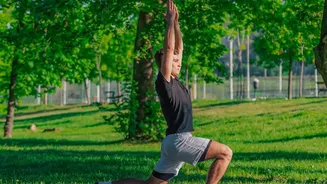
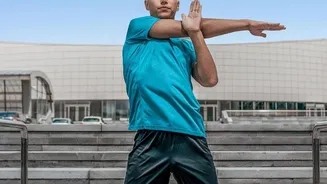
Jumping into a pull-up session with cold muscles is a recipe for injury, particularly to the shoulders and elbows. A proper warm-up should take 10 to 15 minutes and prepare your body for the specific movements ahead. Start with 2-3 minutes of light cardio to raise your heart rate and body temperature; jumping jacks, high knees, or a brisk walk around the playground will do. Then, move into dynamic stretching. Focus on mobility through joint circles for your wrists, elbows, and shoulders. Arm circles, leg swings, and walking lunges with a torso rotation are excellent for getting your whole body ready. Finally, perform some movement-specific activation drills. Scapular pull-ups are perfect for this. While hanging from the bar with straight arms, focus only on pulling your shoulder blades down and back, slightly lifting your body without bending your elbows. This small movement 'wakes up' the key back muscles and reinforces a safe starting position.
Mastering Form Over Reps
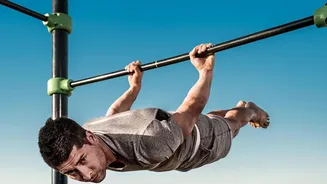
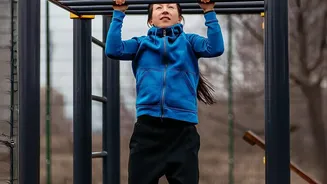
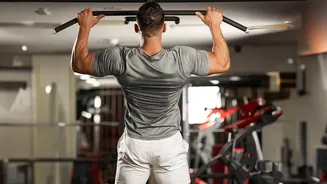
When it comes to pull-ups, quality will always trump quantity. Focusing on pristine form builds real, sustainable strength and minimizes injury risk. A proper pull-up starts from a full hang with your arms straight, but with your shoulders actively engaged—not passively hanging from the joint. A common mistake is to let your shoulders shrug up by your ears. Instead, keep them pulled down and back. A good grip is slightly wider than shoulder-width. As you pull, think about driving your elbows down towards your hips rather than flaring them out to the sides. Your goal is to get your chin fully over the bar, ideally aiming to touch your upper chest to it, without craning your neck forward. The descent is just as important; lower yourself in a controlled manner, taking a few seconds to return to the starting position. Avoid using uncontrolled swinging or 'kipping' momentum until you have mastered the strict pull-up.
Beginner-Friendly Playground Exercises
If you can't yet do a full pull-up, the playground bar is still an incredible tool. Start with foundational exercises to build strength. Dead hangs are simple but effective: just hang from the bar with active shoulders for as long as you can to build grip and shoulder stability. Next, practice eccentric negatives. Use a bench or jump up to get your chin over the bar, then lower yourself down as slowly as possible, aiming for a 5-second descent. This builds the exact muscles needed for the pulling motion. You can also do assisted pull-ups. If you have a resistance band, you can loop it over the bar and place your foot in it for assistance. Another great exercise is the hanging knee tuck. While hanging from the bar, brace your core and pull your knees up toward your chest, which is excellent for abdominal strength.
Cooling Down and Listening to Your Body
After your workout, dedicate a few minutes to a cool-down to help your muscles recover. Gentle, static stretches are ideal here. A great post-pull-up stretch is to hang from the bar and let your body gently decompress. Lying on your back and pulling one knee across your body for a spinal twist can release lower back tension. Stretching your lats, chest, and shoulders is also beneficial. Most importantly, listen to your body. If you feel any sharp pain, especially in your joints, stop immediately. Progress in calisthenics is a marathon, not a sprint. Respecting your limits and prioritising safe, controlled movements will ensure you can enjoy the freedom of playground workouts for years to come.