






A Nationwide Skincare Awakening
The transition of sunscreen from a niche product to a daily staple is a story of awareness. For years, its use was sporadic, but a growing understanding of skin health has changed everything. Dermatologists and skincare professionals have been instrumental,
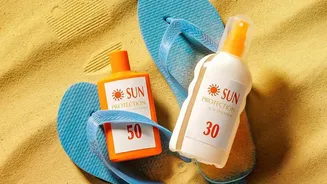
consistently educating consumers about the damaging effects of year-round UV radiation, which include premature aging, hyperpigmentation, and an increased risk of skin cancer. This message, amplified across social media, has resonated deeply. The Indian sun care market is now experiencing significant growth, with projections showing it will reach over a billion dollars by 2030. This isn't just an urban trend; household penetration of sunscreen has more than tripled recently, with notable growth even in rural areas. It signals a fundamental shift where sun protection is no longer seen as optional, but as an essential act of self-care.
The End of the Dreaded White Cast
A major barrier to daily sunscreen use in India has always been the formulation. Traditional sunscreens, often using mineral filters like zinc oxide, left a noticeable white or grey layer on the skin, a particularly prominent issue for the diverse range of Indian skin tones. Brands have finally cracked the code, leading to a wave of product innovation. The market is now filled with lightweight gels, invisible sprays, and fluid-like lotions that absorb in seconds without feeling greasy or heavy, even in humid climates. Many new products are formulated with next-generation chemical filters that offer high protection without any chalky residue. This focus on creating cosmetically elegant formulas has been a game-changer, making daily application a pleasure rather than a chore.
Rise of the 'Dermfluencer' and Digital Education
Social media has played a monumental role in this sunscreen revolution. A new generation of dermatologists and science-backed influencers—often called 'dermfluencers'—have used platforms like Instagram and YouTube to demystify skincare. They break down complex topics like UVA/UVB protection, SPF ratings, and the importance of the PA++++ rating, which specifically measures protection against pigmentation-causing UVA rays. Their consistent, evidence-based content has built trust and driven home the message that sunscreen is the most effective anti-aging product available. This online education has empowered consumers to become more ingredient-literate, seeking out effective formulations and understanding that protection is needed even on cloudy days or indoors to guard against blue light from screens.
From Simple Protection to Skincare Hybrid
Today's sunscreens are multitasking marvels. The latest trend is 'skinimalism,' where consumers seek products that do more with less. Brands have responded by launching sunscreens that double as primers, provide a sheer tint, or are packed with beneficial skincare ingredients. It's now common to find sunscreens infused with hyaluronic acid for hydration, niacinamide for oil control and brightening, or vitamin C for antioxidant benefits. These hybrid products streamline routines, offering sun protection alongside tangible skincare improvements. Tinted sunscreens, in particular, have become popular as they offer protection while evening out skin tone, effectively replacing a layer of light makeup.
Homegrown Brands Lead the Charge
While international brands have long been present, a surge of Indian direct-to-consumer (D2C) brands has accelerated the sunscreen boom. Companies like Mamaearth, The Derma Co, and Minimalist have tapped directly into the needs of the Indian consumer, offering effective, affordable, and accessible products tailored to local conditions. These brands are nimble, using social media to understand consumer pain points—like the desire for non-greasy textures and formulas for sensitive or acne-prone skin—and innovating quickly. By offering high-performance products that compete with global names, homegrown brands have not only expanded the market but have also made daily sun protection a realistic habit for a much wider audience across the country.