

First, What Are Antinutrients?
Before we celebrate the benefits, it's important to understand what we're up against. Many plant-based foods, including the rice and lentils used for idli and dosa, contain compounds called antinutrients. These are natural substances that plants use to defend
themselves. The most common ones are phytic acid, tannins, and lectins. Phytic acid, found in grains and legumes, is known for binding to essential minerals like iron, zinc, and calcium, which can prevent your body from absorbing them. Tannins can interfere with protein digestion, while lectins can sometimes cause gut irritation. While not a major concern for most people with a varied diet, reducing these antinutrients can significantly boost the nutritional value of a meal.
The Ancient Art of Fermentation
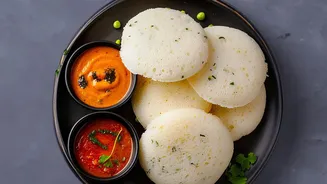
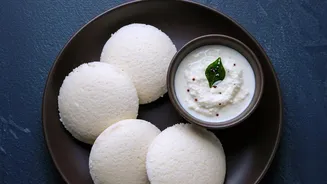
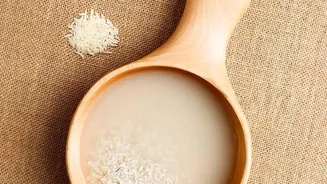
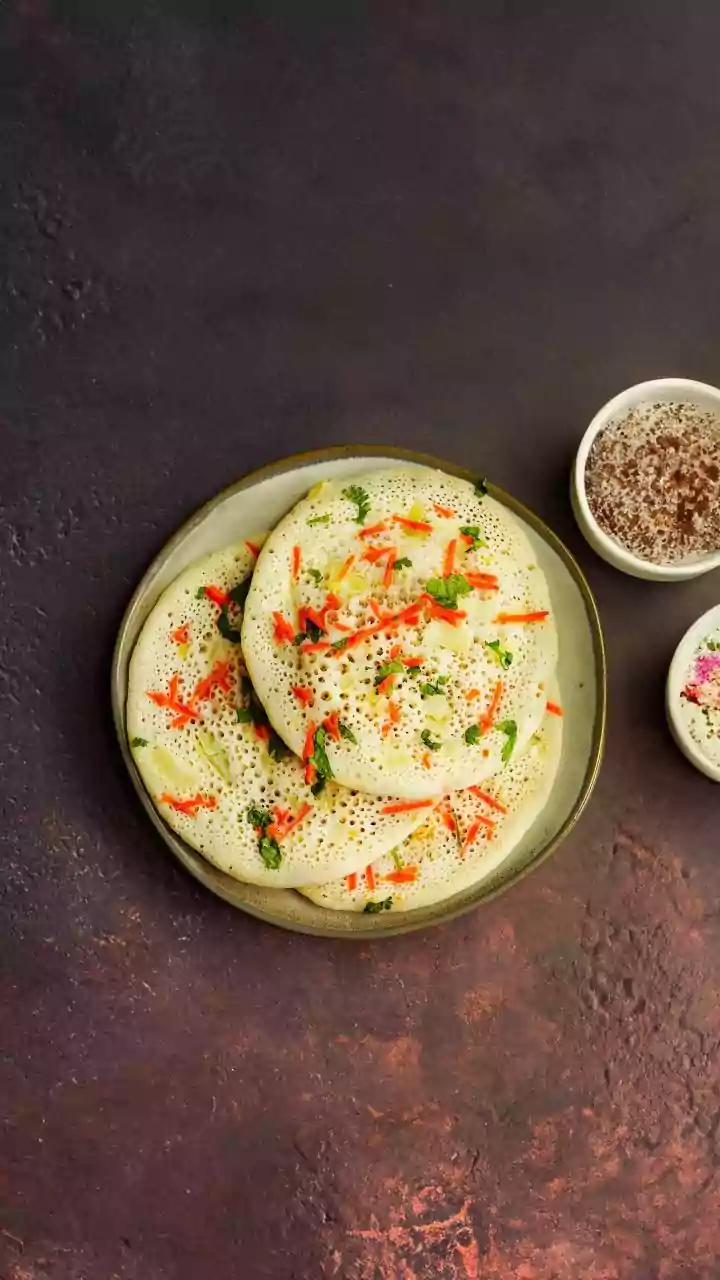
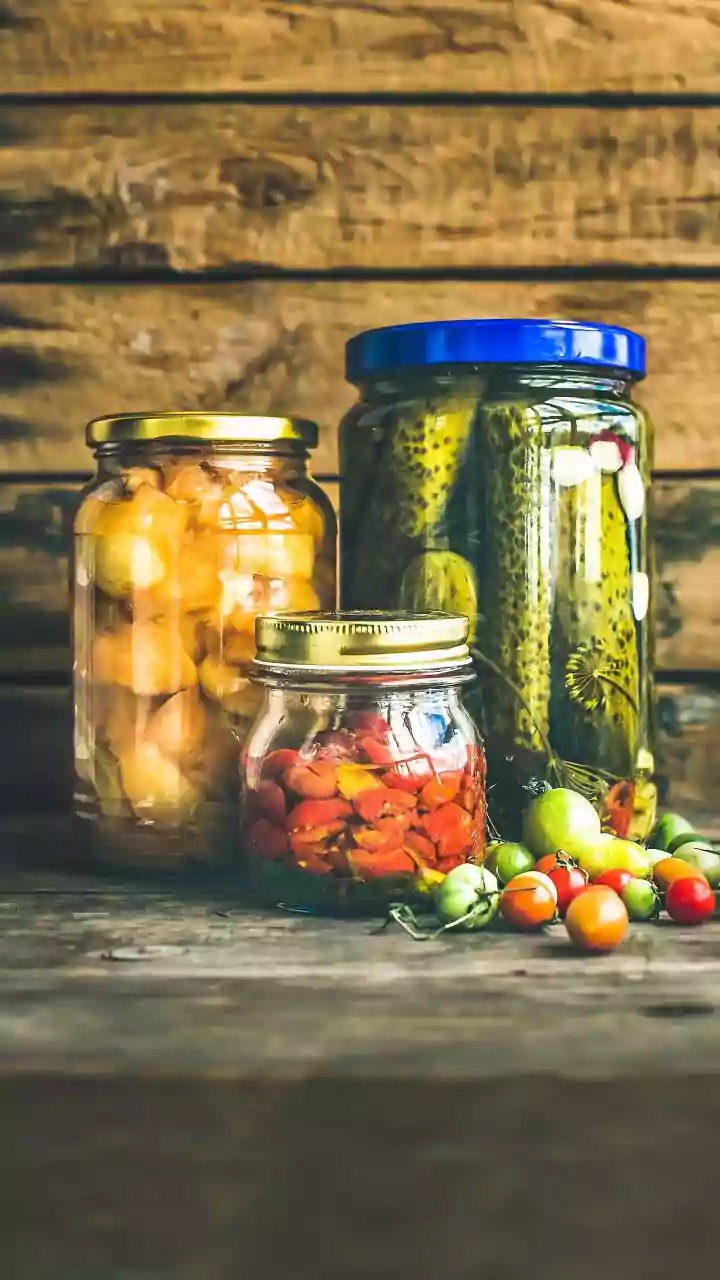
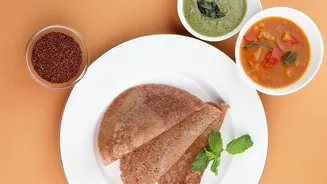
This is where the magic of tradition comes in. The batter for idli and dosa is made by soaking and grinding rice and urad dal, and then leaving it to ferment for several hours, typically overnight. During this time, naturally occurring microorganisms, primarily lactic acid bacteria and yeasts, get to work. They feed on the carbohydrates in the batter, producing lactic acid and carbon dioxide. This process is what gives the batter its characteristic tangy flavour and causes it to rise, resulting in the light, airy texture of a steamed idli or the porous nature of a dosa. It's essentially a form of pre-digestion, where the microbes begin breaking down the food before it even reaches your stomach.
How Fermentation Tackles Antinutrients
The fermentation process is a powerful tool against antinutrients. The beneficial bacteria produce enzymes, like phytase, which effectively break down phytic acid. Studies have shown that fermentation can reduce the phytic acid content in grains and legumes by a significant amount, sometimes up to 90% or more. As the phytic acid is neutralised, the minerals it was holding captive—iron, zinc, and calcium—are released, making them more 'bioavailable,' which means your body can actually absorb and use them. Similarly, the fermentation process also helps to degrade other antinutrients like lectins and tannins, making the food much easier to digest and gentler on your system.
The Health Benefits Unlocked
By breaking down these antinutrients, fermentation unlocks a host of health benefits. The most significant is enhanced nutrient absorption. For many in India, where vegetarian diets are common and iron deficiency can be a concern, making the iron in lentils more available is a huge advantage. Better absorption of zinc supports immune function, while increased calcium availability is crucial for bone health. Furthermore, the fermentation process also increases the content of B vitamins in the batter, particularly B12, folate, and riboflavin, which are vital for energy production and overall cell health. This makes your simple breakfast of idli or dosa a far more potent source of nutrition than the raw ingredients alone.
More Than Just Mineral Absorption
The benefits don't stop at minerals. The fermentation process makes idlis and dosas incredibly easy to digest because the complex carbohydrates and proteins have already been partially broken down. This is why idli is often recommended as a food for young children, the elderly, or those recovering from illness. Additionally, the lactic acid bacteria that drive fermentation are probiotics. Consuming these live, beneficial bacteria helps to populate your gut with a healthy microbiome. A thriving gut microbiome is linked to a wide range of positive outcomes, including better immunity, reduced inflammation, and even improved mental well-being. So, every bite delivers a dose of goodness for your digestive system.