



A Tale of Two Brains
The reason we can flip between a bite-sized dance challenge and a complex crime drama is because they satisfy different neurological needs. Short-form videos, like Instagram Reels and YouTube Shorts, are built for instant gratification. They deliver quick,
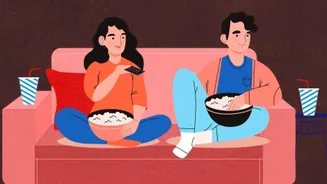
surprising, and novel content that triggers a small release of dopamine, the brain's pleasure chemical. This creates a loop of discovery that makes it easy to keep scrolling. OTT shows, on the other hand, cater to our desire for narrative immersion. When you settle in for a series, your brain engages with character development, plot twists, and emotional arcs. This creates a deeper, more sustained form of engagement, allowing for a sense of escape and connection that a short clip can't provide. One is a quick snack; the other is a full-course meal. Your brain happily craves both.
Test Cricket vs. T20 Entertainment
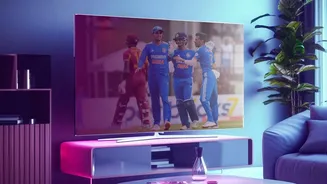
Think of your media consumption like cricket. A long-form OTT series is like a Test match. It requires commitment, you follow the strategy, you get invested in the long game, and the payoff is a deep, satisfying narrative conclusion. You set aside specific, dedicated time for it—usually in the evenings or on weekends. Short clips are the T20 of entertainment. They are fast, explosive, and designed for quick excitement. You consume them in the 'in-between' moments of your day: waiting for a cab, standing in a queue, or taking a five-minute break from work. They fill the small gaps in our lives with entertainment without demanding the commitment of appointment viewing. This structure ensures that the two formats rarely compete directly for the same time slot; instead, they complement each other throughout the day.
A Symbiotic Industry Strategy
Far from being at war, OTT platforms and social media apps have a mutually beneficial relationship. Streaming services like Netflix, JioCinema, and Prime Video have become masters of using short-form content for promotion. They slice up their most dramatic scenes, funniest dialogues, or biggest twists into shareable clips for platforms like Instagram and YouTube. These clips act as powerful, low-cost advertisements that generate buzz and curiosity. A viral reel featuring a key moment from a new show is often what drives viewers to search for the full series. In this ecosystem, the short clip is not the enemy of the long show; it's the trailer, the teaser, and the gateway drug that funnels audiences toward the main event. The goal is to make the thumb stop scrolling and, eventually, open the streaming app.
Curating Your Digital Mood
Today’s viewer is also an active curator of their own emotional state. The choice between a short clip and a long show is often a subconscious decision about mood regulation. Feeling stressed or bored? A few minutes of scrolling through funny or amazing short videos can provide a quick mental reset. Craving a deeper escape from reality? An immersive, story-driven series allows you to forget your own worries by stepping into another world for a while. This ability to self-medicate emotionally is a key reason both formats thrive. Viewers intuitively understand what they need at any given moment and switch between formats to achieve a desired feeling, whether it's a brief laugh or a prolonged sense of catharsis. The playlist of our day is a mix of both, tailored to our emotional needs.
The Attention Economy's New Normal
In India, a country that consumes more mobile data per person than almost any other nation, the concept of the 'attention economy' is paramount. Media companies understand that attention is the new currency. However, they also recognise that this doesn't mean a zero-sum game. The current media landscape shows that multiple formats can successfully coexist. The rise of 'micro-dramas'—ultra-short episodic shows—is another example of this hybridisation. The future of content isn't a battle between long and short, but a fluid integration of both. As viewers, we have built a sophisticated media diet that balances quick hits of information and entertainment with deep, meaningful stories. This coexistence isn't a temporary phase; it is the established, and likely permanent, way we engage with the digital world.