




The Rise of a Cotton Capital
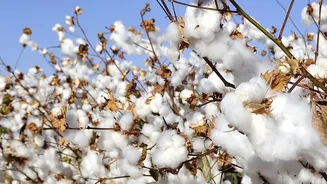
Coimbatore's story as a textile giant began long before the first chimney rose. The region's black cotton soil and favourable climate made it a natural hub for cotton cultivation for centuries. The modern industrial chapter started in 1888 with the establishment
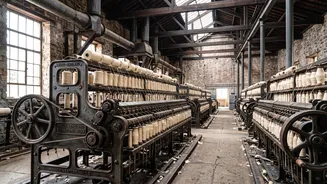
of the Coimbatore Spinning and Weaving Mills by Sir Robert Stanes. This was the spark. The arrival of hydroelectric power from the Pykara project in the 1930s fanned the flames, leading to a boom in mill construction. Names like Kaleeswarar Mills, Lakshmi Mills, and Sri Ranga Vilas Mills became engines of commerce, transforming the city's economy and landscape. This intense concentration of spinning and weaving units earned the city its famous moniker, mirroring the industrial might of Manchester in England.
An Architectural & Heritage Trail
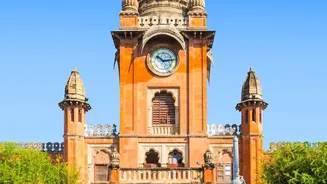
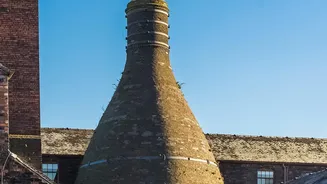
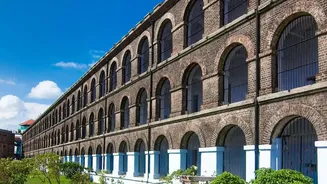
While most of these historic mills are not open for public tours, their architectural presence alone tells a powerful story. A drive through areas like Peelamedu and Ondipudur reveals the grand scale of these colonial-era structures. Look for the tall, iconic chimneys that once dominated the skyline and the sprawling factory complexes that housed thousands of workers. Many of these mills, even those now silent, remain significant landmarks. While some have been demolished, others have found new life. The Lakshmi Mills compound, for instance, now includes a modern lifestyle destination, blending its rich heritage with contemporary shopping and dining experiences. This transformation from a pioneering industrial site to a vibrant urban centre is a story in itself.
Museums That Tell the Tale
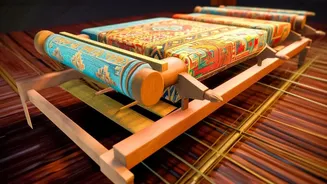
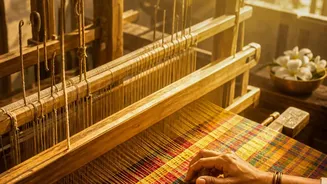
To truly dive into the city's textile legacy, a museum visit is essential. The Kasthuri Sreenivasan Art Gallery and Textile Museum is the premier destination for this. It offers a chronological journey through the history of textile technology, from ancient spinning wheels to modern machinery. The museum displays antique looms, vintage fabrics, and even the original memorandum of association for Coimbatore's first mill. Another fascinating stop is the G.D. Naidu Industrial Museum, which, while broader in scope, celebrates the spirit of innovation that powered the city's industries. Here, you can see vintage machinery and interactive exhibits that bring the engineering marvels of the past to life. Together, these museums provide the context that turns a sightseeing trip into a rich historical exploration.
How to Plan Your Textile Tour
Crafting your own heritage tour is straightforward. The best time to visit Coimbatore is between November and February when the weather is pleasant. Hire a car or an auto-rickshaw for a day to create a flexible itinerary. Start by driving past the landmark mills, then head to the textile museums to connect with the history. To complete the experience, immerse yourself in the living textile trade. Visit the bustling local markets in R.S. Puram or Gandhipuram, where you can find everything from high-quality fabrics to traditional Kovai cotton sarees, known for their light weight and comfort. This allows you to witness how textiles remain deeply woven into the city's daily life.