




The Limits of Knowing Your Macros
For years, nutrition education in India, when available, has focused on rote learning. Students might memorize facts about vitamins, minerals, and the food pyramid, but this approach shows diminishing returns in a rapidly changing food landscape. The
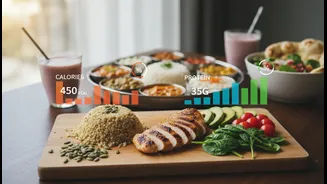
reality for many young adults is a paradox: they are aware of terms like 'healthy eating' and 'junk food,' yet their daily habits are increasingly dominated by ultra-processed foods high in salt, sugar, and fat. This is fueled by urbanization, aggressive marketing, and the gradual erosion of traditional cooking knowledge passed down through generations. Experts now argue that simply knowing the nutritional content of a banana is not enough to compete with the convenience and appeal of a packaged snack, especially when you don't know how to cook the banana into a meal. The result is what some researchers call 'fragmented' food literacy, where knowledge exists but doesn't translate into action.
A New Focus on Hands-On Knowledge
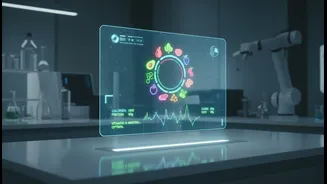
Recognizing this gap, Indian researchers are championing a shift from 'knowing' to 'doing'. Recent studies highlight that knowledge alone is insufficient without the practical life skills to navigate modern food environments. A landmark development is the Indian Council of Medical Research-National Institute of Nutrition's (ICMR-NIN) creation of the country's first comprehensive tool to assess nutrition and food literacy in adolescents, called INFOLIT. Launched in early 2026, this tool is significant because it moves beyond just cognitive understanding. It also measures a skills-based domain, evaluating how well young people can access, apply, and critically assess nutrition information in their daily lives. This new approach reframes food literacy as a public health strategy, aiming to empower adolescents to become active and informed participants in their own well-being rather than passive recipients of dietary advice.
What Practical Food Skills Look Like
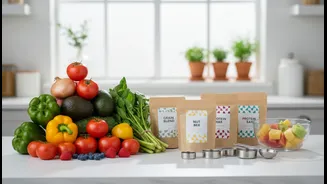
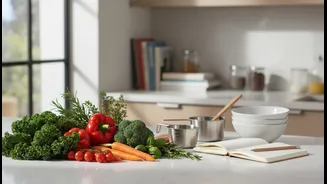
So, what are these essential practical skills? It’s a broad toolkit for real-world scenarios. At its core is cooking—the ability to prepare simple, fresh meals. This foundational skill gives young people control over their ingredients and budget, making healthy eating more affordable than relying on takeaways. Beyond cooking, practical literacy includes meal planning, shopping wisely, and critically reading and interpreting food labels to see past misleading marketing claims. It also involves understanding food safety, hygiene in the kitchen, and managing time to fit home-cooked meals into a busy schedule. Furthermore, it extends to digital literacy, or the capacity to deconstruct persuasive online ads and social media trends that often promote unhealthy, aspirational eating habits. These skills collectively build the confidence and competence needed to make informed choices every day.
Beyond Health: Reconnecting With Culture
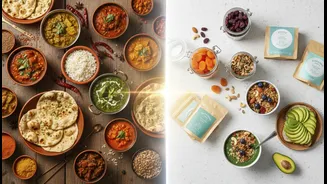
The push for practical food skills is about more than preventing non-communicable diseases. It is also a powerful tool for cultural preservation. As the consumption of traditional grains and home-cooked meals declines, replaced by a globalized fast-food culture, there's a risk of losing rich culinary heritages. Teaching young Indians to cook the dishes their grandparents made is a way to reconnect them with their roots, regional specialties, and family traditions. This process fosters a deeper appreciation for local, seasonal produce and the stories behind the food they eat. In a way, cooking becomes an act of cultural continuity. It builds community, whether through sharing a meal with family or hosting friends, turning food from mere fuel into a source of connection, pride, and creative expression.
From Classroom to Kitchen
The primary challenge is implementation. School curricula are already packed, and home science courses that teach cooking are often optional and not taken seriously. Integrating these life skills requires a coordinated effort. Experts suggest that schools can play a pivotal role by creating supportive food environments, offering skill-based workshops, and ensuring canteens provide healthy options. However, the responsibility does not lie with schools alone. Families have a crucial role in reviving cooking at home and involving children in the process from a young age. Normalizing cooking as a fundamental life skill for everyone, regardless of gender, is essential for building a generation that is not just well-fed, but truly food literate. By equipping young people with these practical abilities, we give them the tools for a lifetime of health, independence, and resilience.