

Embrace the Softness of Bouclé
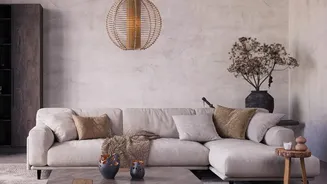
Once a hallmark of high-end fashion, bouclé fabric has firmly established itself in the world of interior design, bringing its uniquely soft, looped texture to furniture and accessories. This nubby, inviting material is perfect for turning a stark corner
into a cosy retreat. Consider placing a curved bouclé armchair in an unused corner of your living room or bedroom. The fabric's texture adds immediate visual warmth and a touch of luxury. If a full chair isn't an option, you can still incorporate the trend with smaller items. A bouclé ottoman, which can double as a footrest or extra seating, or even just a few strategically placed bouclé cushions on a bench or window seat, can provide that tactile element you’re craving. Typically found in neutral shades like cream, beige, and grey, bouclé pairs beautifully with smoother materials like wood, metal, or leather, creating a balanced and sophisticated look.
Add Depth with Limewash Walls
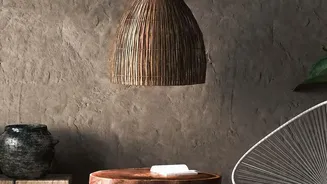
For a truly transformative effect, look to your walls. Limewash, a centuries-old painting technique, is making a major comeback for its ability to create a soft, suede-like patina with subtle tonal variations. Made from slaked lime, this paint penetrates porous surfaces like plaster, creating a breathable, chalky matte finish that feels both ancient and modern. Using limewash on a corner wall or in a small nook can instantly add a sense of depth and character that flat paint cannot replicate. The application process, often done with a large brush in sweeping, cloud-like motions, results in a uniquely textured surface that catches the light beautifully. This technique is perfect for spaces aiming for a warm, organic, or 'wabi-sabi' aesthetic, making the walls themselves a textural feature rather than just a backdrop. It adds an old-world, lived-in feel that is effortlessly elegant.
Incorporate Natural Fibres
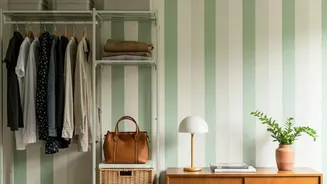
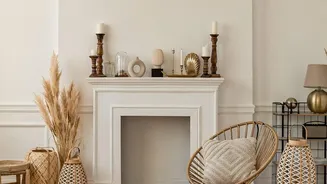
Bring the outdoors in and add a dose of earthy texture with items made from natural fibres like jute, rattan, and seagrass. These materials are celebrated for their durability and organic appeal, making them perfect for high-traffic or overlooked corners. A large jute rug can anchor a corner seating area, its coarse texture providing a pleasant contrast to softer furnishings. Woven rattan or seagrass baskets are another versatile option; they can be used for stylish storage (for blankets, magazines, or toys) or simply as standalone decorative objects. Don't forget about lighting and furniture. A rattan accent chair, a lampshade woven from natural fibres, or a bamboo side table can introduce just the right amount of rustic charm and textural interest to make a corner feel complete and intentionally styled.
Introduce Fluted and Ribbed Surfaces
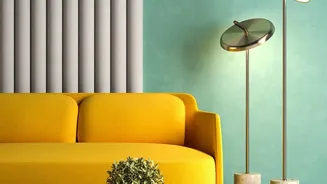
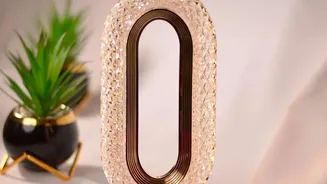
For a texture that is both sophisticated and on-trend, look no further than fluted or ribbed details. With roots in ancient Greek architecture and the Art Deco period, these parallel grooves add a pleasing rhythm and refined elegance to any object. This trend has appeared on everything from furniture to decorative accessories. A fluted side table or small cabinet can tuck neatly into a corner, its vertical lines drawing the eye upward and creating a subtle play of light and shadow. Even smaller items can make a big impact. Consider a ribbed ceramic vase filled with tall stems, a set of fluted glassware on a bar cart, or a table lamp with a ribbed base. This type of texture is incredibly versatile, feeling both classic and contemporary, and it adds a deluxe, architectural quality without overwhelming the space.
Play with 3D Wall Art
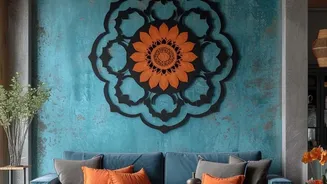
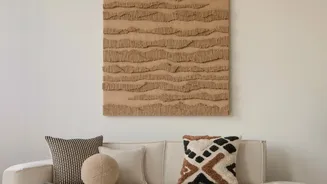
Move beyond flat, framed prints and give your corner a sculptural element with 3D wall art. This type of decor uses built-up materials like plaster or modeling paste on canvas to create actual, physical texture that extends from the surface. Unlike a traditional painting, a 3D art piece interacts with the light in the room, casting micro-shadows that change throughout the day. This creates a dynamic, engaging focal point. You can hang a single, large textured piece or create a gallery wall of smaller, varied artworks. The tactile nature of this art invites a closer look, turning a blank wall into an experience. Whether you prefer minimalist geometric patterns or more organic, flowing shapes, 3D art adds a layer of sophistication and personality that can single-handedly revive a forgotten corner.