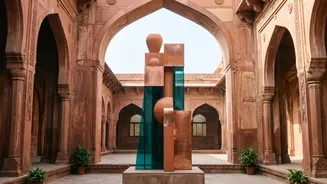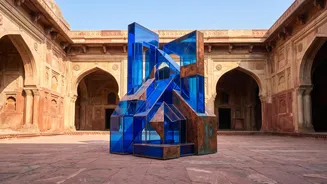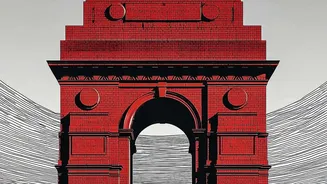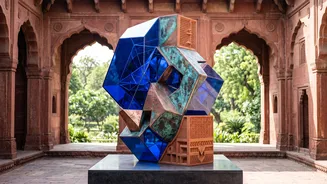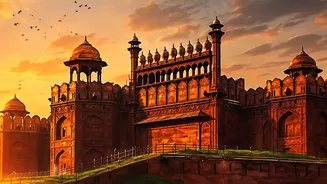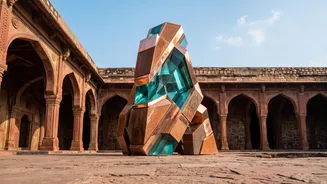

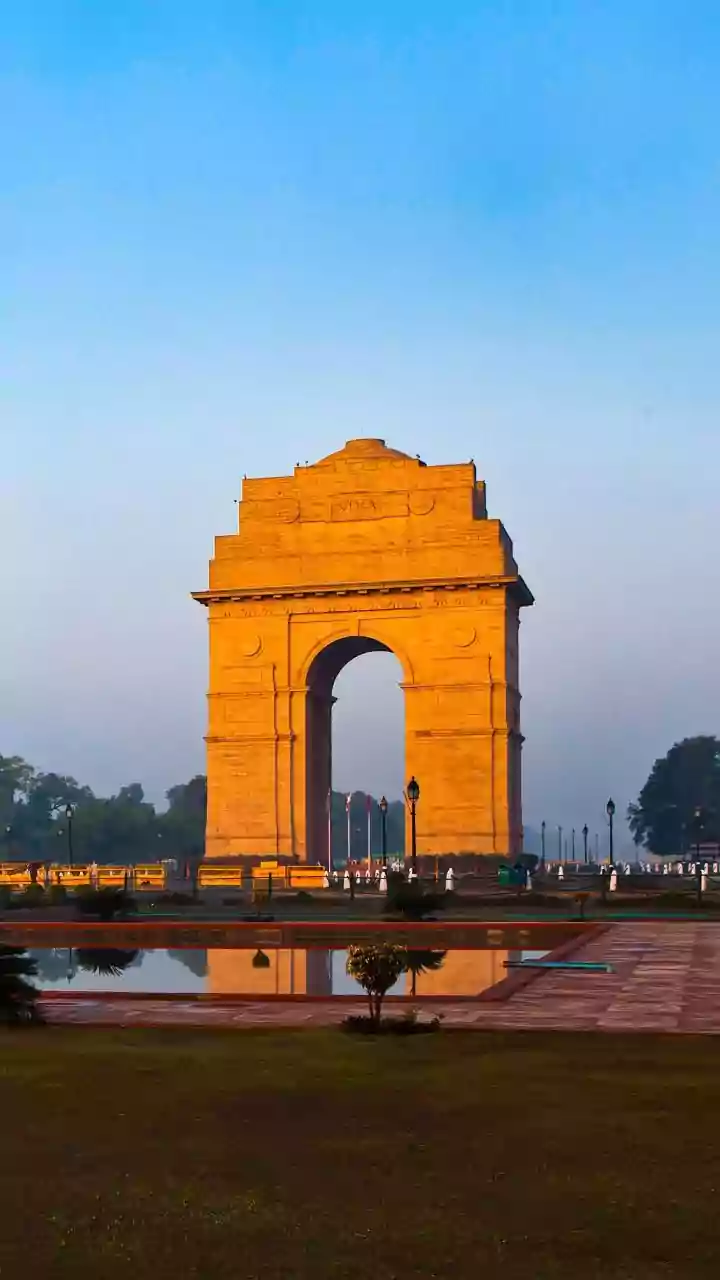
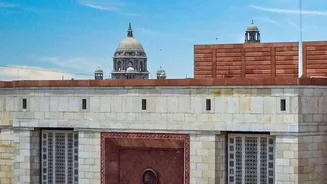
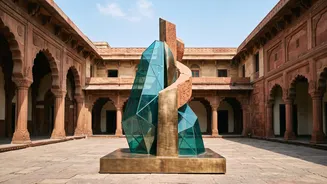
This winter, Delhi's ancient stones will tell new stories. The second edition of the India Biennale is set to transform the city's most revered historical sites into sprawling canvases for contemporary art, creating an unparalleled cultural dialogue.
A City-Wide Art Festival
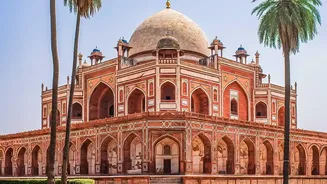
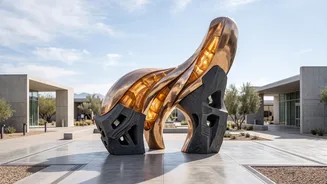
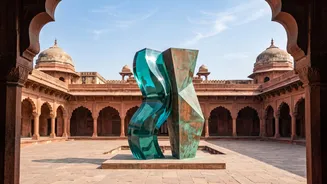
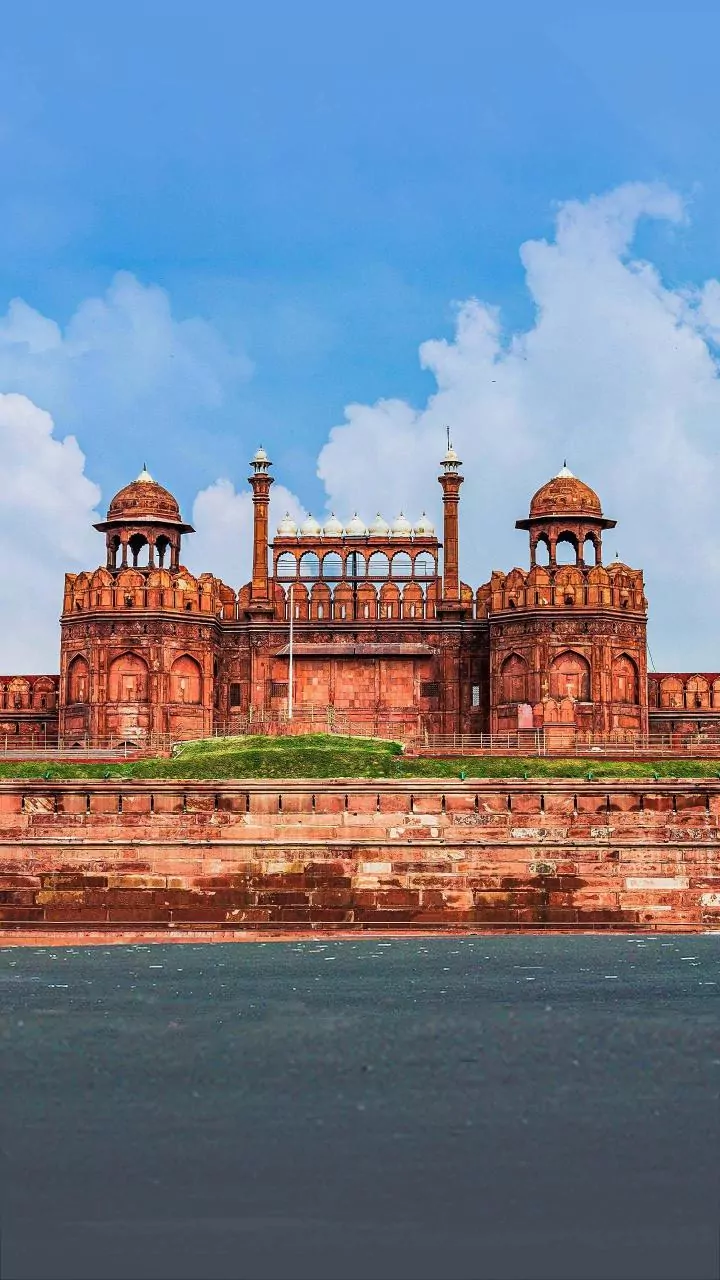
Imagine wandering through the grand arches of Humayun's Tomb or the sprawling complex of the Qutub Minar and encountering a striking contemporary art installation. This is the vision behind the upcoming India Biennale, a massive, 108-day celebration of art, architecture, and design organised by the Ministry of Culture. Running from December 4, 2026, to March 21, 2027, the event breaks free from the confines of traditional galleries. Instead, it will unfold across the city's most significant cultural and historical landmarks, turning the entire capital into an interconnected exhibition space. The first edition took place in 2023 at the Red Fort, but this second iteration is far more ambitious, aiming to establish a unique public-private partnership that positions India as a global centre for artistic innovation.
History as the Main Stage
The list of venues reads like a who's who of Delhi's heritage. The 16th-century Purana Qila will serve as the anchor venue, hosting major exhibitions and pavilions. The Biennale will also extend to the Red Fort, Qutub Minar, Humayun's Tomb, Safdarjung Tomb, and Jantar Mantar. Even spaces like Lodhi Garden, Agrasen ki Baoli, and the Mehrauli Archaeological Park will become backdrops for site-specific works. This approach allows artists to respond directly to the history, architecture, and character of these iconic locations. The project will also involve premier institutions like the National Gallery of Modern Art (NGMA), the National Museum, and the Lalit Kala Akademi, weaving a rich tapestry of art experiences across dozens of sites.
The Theme: 'You Are That'
The curatorial theme for this edition is 'Tat Tvam Asi', a profound insight from the Upanishads that translates to 'You Are That'. In an age of constant digital distraction, the Biennale uses this theme as a call to pause, reflect, and reconnect. It invites artists and visitors to recognise the deep interconnectedness between the self, culture, community, and place. The art, spanning everything from handmade crafts to immersive digital media, is intended to 'slow the eye' and encourage a more profound engagement with the city and with each other. This philosophical underpinning aims to foster a dialogue between India's ancient wisdom and contemporary creative expression.
What to Expect
The event will bring together a diverse range of participants, including leading museums, private foundations like the Devi Art Foundation and Gujral Foundation, and cultural centres such as the Nita Mukesh Ambani Cultural Centre (NMACC). Visitors can expect a wide array of presentations. For example, at Purana Qila, the Bihar Museum will showcase an exhibition on Chhath Puja, while Serendipity Arts will present 'The Charpai Project'. At Qutub Minar, an exhibition titled 'Varanasi the Timeless' by artist Paresh Maity and designer Ritu Beri will bring the spirit of another ancient city into dialogue with Delhi's history. For the first time, a single Biennale Pass will grant access to participating monuments and all related exhibitions and programmes, simplifying the visitor experience.
A Platform for New Voices
Beyond established artists, the India Biennale is also dedicated to nurturing the next generation. A key highlight is the second edition of the Student Biennale, presented by The Ardee Foundation. This initiative provides a significant public platform for young artists to showcase their creativity and explore themes of identity and history. The goal is to encourage experimentation and strengthen connections between schools, art colleges, museums, and studios, making meaningful artistic experiences more accessible to young people across the country. By integrating student work into this grand cultural event, the Biennale invests in the future of Indian art while celebrating its past.