




Start with the Basics: Flour and Water
The foundation of a soft roti is high-quality, finely milled whole wheat flour, or atta. Old flour loses moisture and can result in dry, stiff rotis. If you can, buy fresh atta in smaller quantities that you will use within a month or two. Equally important
is the water temperature. Using warm or even hot water to knead the dough makes a significant difference. Warm water helps the flour hydrate more effectively, activating the gluten and making the dough smoother and more pliable from the very beginning. Instead of adding all the water at once, which can create dry patches, add it gradually until you achieve a soft, slightly tacky dough that is not sticky.
Master the Kneading Technique
How you knead the dough directly impacts its final texture. The goal is to develop gluten, which gives the roti its structure and elasticity. However, both under-kneading and over-kneading can cause problems. Under-kneaded dough won't develop enough gluten, leading to rotis that tear easily and turn hard. Over-kneading can make the dough tough. Aim for about six to eight minutes of consistent kneading until the dough is smooth and elastic. A good test is to press your thumb into the dough; if it springs back slowly, it’s ready. The ideal dough should feel soft, pliable, and well-hydrated, but not so wet that it sticks to your hands.
The Crucial Resting Period
Skipping the resting time is one of the most common reasons for firm rotis. After kneading, the gluten network in the dough is tight and tense. Letting the dough rest for at least 15 to 30 minutes allows this gluten to relax, making the dough much easier to roll out. This rest period also gives the flour time to fully absorb the water, ensuring even moisture distribution throughout the dough. A well-rested dough won't spring back when you try to roll it, and it helps create the internal steam needed for the roti to puff up during cooking. Cover the dough with a damp cloth or place it in a covered container to prevent the surface from drying out.
Roll with Even Pressure
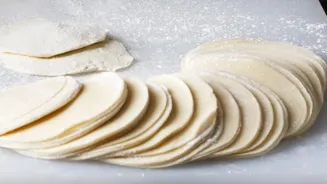
The way you roll the dough is just as important as how you prepare it. Uneven rolling is a primary culprit behind rotis that cook poorly, with some spots remaining raw while others burn. This leads to hard patches. Aim for a consistent thickness across the entire circle. Pressing too hard will create a dense roti, while rolling it too thin will cause it to dry out and become crispy on the tawa. Use only a light dusting of dry flour to prevent sticking; using too much will absorb moisture from the dough and make the final roti hard. It’s helpful to rotate the dough a quarter turn after every few rolls to maintain a round shape and even thickness.
Perfect the Tawa Temperature
Cooking rotis on a tawa that is either too hot or not hot enough is a recipe for disaster. A lukewarm tawa cooks the roti slowly, causing it to lose moisture and become stiff and chewy. A scorching hot tawa will burn the outside before the inside can cook properly. The ideal temperature is medium-high. Preheat your tawa for a few minutes before placing the first roti on it. A good way to check is to sprinkle a few drops of water; if they sizzle and evaporate immediately, the tawa is ready. Once you place the roti on the hot tawa, wait for small bubbles to appear before flipping it for the first time, usually around 20-40 seconds.
Cooking, Puffing, and Storing
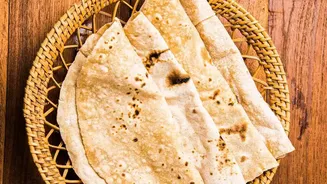
Avoid flipping the roti too frequently, as this prevents steam from building up inside, which is what causes it to puff. After the first flip, cook the second side briefly, then you can either press it gently with a folded cloth to encourage puffing on the tawa or transfer it to an open flame for a few seconds until it inflates. The puffing action quickly cooks the roti from the inside with trapped steam, keeping it soft. Once cooked, don't leave the rotis uncovered. Stacking them and wrapping them immediately in a clean cotton cloth inside a casserole or insulated container traps the residual steam, which keeps them soft and prevents them from drying out.