



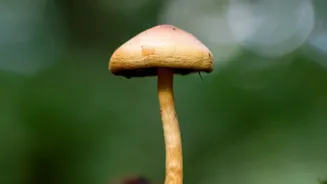
The Monsoon's Hidden Bounty
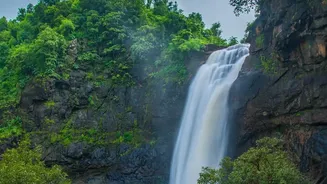
The arrival of the rains transforms India's landscapes, coaxing a hidden world of fungi to emerge from the damp soil. While foraging is an ancient practice for many tribal communities, it is now capturing the imagination of urban foodies. This growing
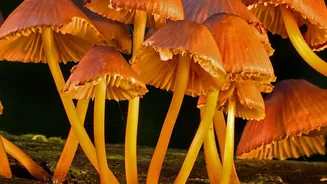
interest is partly a desire to reconnect with nature and partly a culinary curiosity to taste ingredients that cannot be commercially cultivated. From the Western Ghats to the forests of Jharkhand and the Himalayan foothills, the monsoon signals the start of a brief but glorious mushroom hunting season, a tradition deeply embedded in local communities. These wild varieties offer earthy, robust flavours and textures entirely different from their supermarket counterparts.
A Walk on the Wild Side
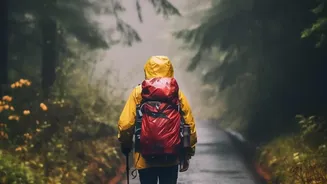
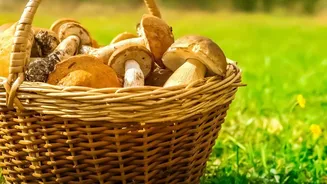
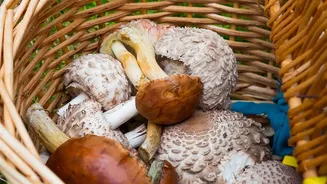
This trend is more than just a passing fancy; it's an immersive experience. Across the country, guided foraging walks and workshops are popping up, led by mycologists and seasoned foragers. These walks, which take place in locations from Delhi's city parks to the forests of Sikkim and the Western Ghats, teach participants how to spot, identify, and sustainably harvest wild mushrooms. The goal is not just to collect food, but to learn about the vital role fungi play in the ecosystem. For many, it's a deeply satisfying activity that combines adventure, learning, and the thrill of discovering nature's larder firsthand.
Treasures of the Indian Forest
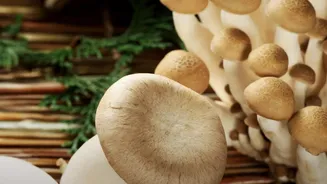
India's diverse climate yields a spectacular variety of monsoon mushrooms. One of the most celebrated is the Termitomyces genus, known as 'Olmi' or 'Alambi' in Goa and Karnataka. These grow exclusively on termite mounds, making them impossible to farm and a prized delicacy. In Jharkhand, the dense 'Rugra' mushroom, often called 'vegetarian mutton', is foraged from the base of Sal trees and is a regional favourite. Other regional stars include the delicate 'Kalan Kumil' on the Malabar Coast and the long-stalked 'Khukhdi' in the east. This practice is a long-standing tradition for tribal communities across states like Odisha, Goa, and Kerala, for whom it provides both nutrition and seasonal income.
The Golden Rule: Absolute Safety First
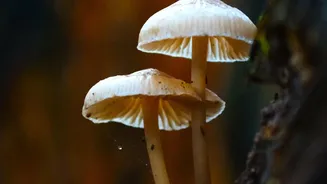
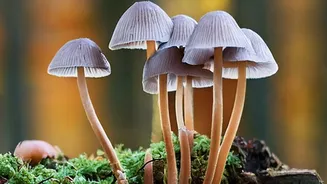
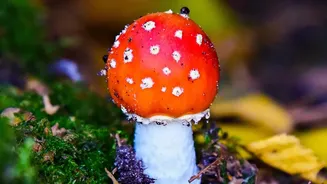
The allure of foraging comes with a critical responsibility: safety. Misidentifying mushrooms can have severe, even fatal, consequences. Many poisonous mushrooms look strikingly similar to edible ones, and telling them apart can require expert knowledge. Symptoms of mushroom poisoning can range from severe gastrointestinal distress to liver failure and death. The cardinal rule of foraging is simple and non-negotiable: if you are in any doubt about a mushroom's identity, do not eat it. Never rely on folklore or simple tricks like boiling with coins; these are dangerously unreliable myths. The only safe way to forage is with an experienced guide who can teach you to identify species with 100% certainty.
How to Start Your Foraging Journey
For the curious foodie looking to explore this hobby, the first step is education, not experimentation. Start by joining a guided foraging walk with a reputable expert or group. These experts can provide hands-on experience in identifying the common edible and poisonous mushrooms in your specific region. Invest in a good quality, region-specific field guide to fungi. Focus on learning to identify just one or two common, easily distinguishable edible species at first. Remember that this is a skill built over time through careful observation and expert guidance. Always respect the environment by harvesting sustainably, taking only what you need and leaving plenty behind for the ecosystem to thrive.