






Choosing where to spend your golden years is a major life decision, and in a country as diverse as India, climate plays a huge role. Beyond just 'hot' or 'cold', understanding the nuances of weather can define your health and happiness in retirement.
Why Weather Is a Health Decision
For retirees, weather is not just small talk; it's a critical health factor. Extreme heat can worsen cardiovascular conditions, while high humidity might aggravate arthritis and respiratory issues. A study by HelpAge India found that nearly three-quarters of elderly respondents reported increased illness during heatwaves. Conversely, the biting cold of harsh winters can be challenging for mobility and joint pain. Air quality, often linked to weather patterns, is another crucial consideration. Cities like Delhi face severe winter pollution, which is a serious risk for those with respiratory ailments, while many tier-2 cities offer cleaner air. Therefore, aligning a city’s climate with your health needs is the first step towards a comfortable retirement.
For Lovers of a Mild, Even Keel
If your ideal is a place that never gets too hot or too cold, certain cities have built a reputation on their pleasant, year-round climate. Bangalore has long been India's 'Garden City', known for its moderate temperatures that rarely require extreme heating or cooling. This makes it ideal for an active, outdoor lifestyle. Similarly, Pune offers a balanced climate and is often called India's 'retirement capital' for its blend of good weather, excellent healthcare, and robust communities for seniors. Both cities provide the comforts of a metro without the punishing weather of Delhi or Chennai. However, be mindful that the popularity of these cities means dealing with traffic and a higher cost of living.
For Those Seeking Warmth and Sun
For many, retirement is a chance to escape the damp and cold for good. If you thrive in sunny, dry conditions, cities in the south and west are excellent choices. Coimbatore, often cited as a top retirement destination, offers pleasant weather and lower humidity for most of the year. This 'Manchester of South India' is also a major healthcare hub, providing peace of mind alongside the sunshine. Mysore is another strong contender, with a moderate and relaxed climate that feels gentler than most metros. For those who love the sea, Goa and Pondicherry offer a coastal lifestyle. While Goa can be humid, its off-season offers a relaxed, sunny atmosphere, but its top-tier medical facilities are less robust than in other major hubs.
For Seekers of Cool Mountain Air
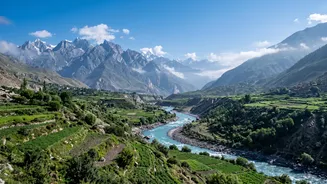
If you prefer to wear a sweater over switching on the air conditioning, retiring to a hill station might be your dream. Dehradun, nestled in the Himalayan foothills, provides a cooler climate and a slower pace of life. It boasts cleaner air than the plains and has a growing infrastructure of healthcare facilities and retirement communities. Further south, the hill stations of the Nilgiris, like Ooty and Coonoor, offer crisp, clean air and escape from the heat of the plains. Their proximity to Coimbatore's advanced medical facilities makes them a practical choice. The main consideration for hill towns is accessibility, especially during monsoon or winter, and ensuring that quality medical help is close enough for emergencies.
Beyond the Forecast: Humidity and Air Quality
Two factors often overlooked are humidity and air quality. A city with moderate temperatures can still be uncomfortable if humidity is perpetually high, as is the case in many coastal cities like Kochi or during Mumbai's monsoon. This can be particularly trying for individuals with breathing difficulties or certain skin conditions. Air Quality Index (AQI) is another non-negotiable check. While a city may have perfect temperatures, poor air quality can keep you indoors and negatively affect long-term health. Many tier-2 cities like Chandigarh, Mysore and Coimbatore generally offer a better AQI than the major metros, contributing significantly to a better quality of life.