

The End of 'Checklist' Tourism
For decades, travel planning for many Indians followed a familiar script: pick a popular destination and see the top five sights. But a significant shift is underway. Travellers are moving beyond conventional sightseeing, seeking out deeper, more authentic
experiences that connect them with local heritage, traditions, and communities. According to a recent report, an overwhelming 84% of Indian travellers say their interest in cultural travel within India has grown. It’s no longer enough to just see the Taj Mahal; people want to understand the craft of the artisans in its shadow. This evolution marks a move from being a passive tourist to an active participant in a destination's story.
Culture as the Main Attraction
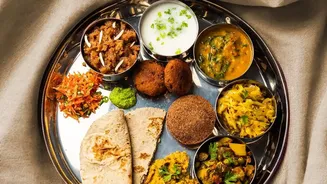
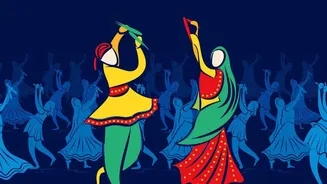
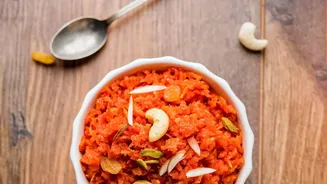
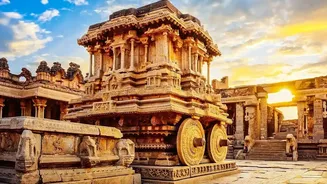
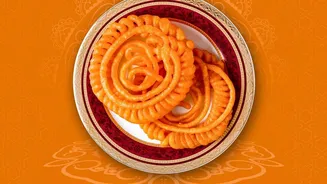
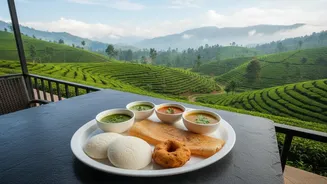
Instead of being an afterthought, culture is now the main event. A recent study found that 67% of Indians are now planning their trips specifically around heritage, festivals, or food. Heritage sites are the single biggest draw, but festival tourism is emerging as a powerful driver, with 72% of travellers saying they would plan a trip to attend a major festival. Events like Durga Puja in Kolkata, Ganesh Chaturthi in Mumbai, and Navratri Garba in Gujarat are becoming travel centrepieces. Similarly, food is a major motivator, with 43% of travellers planning journeys around regional culinary experiences. This trend has even spawned niches like music tourism, where one in three Gen Z travellers now chooses a music festival over a conventional holiday.
The Rise of the Conscious Calendar
This new focus on experiences has made travellers acutely aware of the calendar. The philosophy has shifted from “where to go” to “when to go” to catch a specific event. A trip to Gujarat is planned for November to coincide with the Rann Utsav. A holiday in Nagaland is booked a year in advance for the Hornbill Festival in December. This isn't spontaneous travel; it's deliberate and meticulously planned. Data shows that travellers are becoming more intentional, with 40% mapping out their culture-focused trips three to six months in advance. This smarter planning ensures they don’t just visit a place, but experience it at its most vibrant, whether it's witnessing a specific ritual, a natural phenomenon, or a once-a-year cultural gathering.
What's Fuelling This Shift?
Several factors are driving this change. The most significant is a collective desire for more meaningful memories over simple photo opportunities. Younger generations, particularly Millennials and Gen Z, are looking for unique stories to tell. Social media plays a dual role in this; while it can create over-tourism, it has also become a powerful discovery tool. Platforms like YouTube and Instagram are now the biggest drivers for culture-led travel, inspiring 42% of travellers to explore new traditions and heritage trails. Experts note that the entire travel journey is being reversed: instead of picking a destination and then finding things to do, people are starting with the experience they want and building the entire trip around it.
A New Chapter for Indian Tourism
This trend is reshaping the domestic tourism landscape. Travellers are venturing beyond the usual metro circuits, with one in four now heading to Tier 2 and Tier 3 towns for cultural experiences. This provides a significant economic boost to local communities, artisans, and small-scale entrepreneurs. It encourages the preservation of intangible cultural heritage, from regional cuisines to folk performances. As more Indians choose to explore the incredible diversity within their own country, they are not just taking vacations; they are investing in and celebrating the very fabric of Indian culture. This shift promises a more sustainable, enriching, and authentic future for travel in India.