






A Season of Deficit and Disparity
The 2026 southwest monsoon has been largely defined by its weakness and uneven distribution. By the end of August, cumulative rainfall across the country was significantly below normal, with a deficit of nearly 14%. The India Meteorological Department
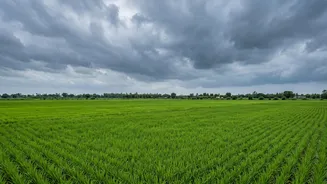
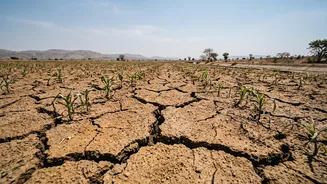
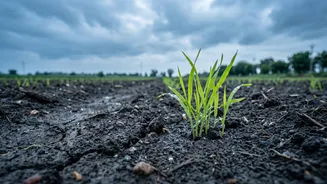
(IMD) has also forecast a below-normal September, which is crucial for the final development stages of summer-sown (Kharif) crops. The season saw a very dry June, a brief recovery in July, and another weak spell in August. This erratic pattern, driven by strengthening El Niño conditions, means that even areas that received rain did not get it at the most critical times for agriculture, affecting soil moisture and crop health.
The Pressure on Pulses
Pulses are a staple protein source in India, and their prices are highly sensitive to monsoon performance. According to data from the Ministry of Agriculture as of late August, the total area sown under pulses was slightly higher than last year. However, the picture is mixed. While states like Uttar Pradesh reported a significant increase in sowing area, key pulse-growing regions in Maharashtra and Karnataka saw a major decrease. The deficient rainfall is particularly concerning for crops like tur (pigeon pea), a key Kharif pulse. Analysts predict a lower production of pigeon peas this season. Since domestic stocks are not sufficient to cover a large production loss, India may need to rely more on imports, which could push retail prices higher in the coming weeks.
Vegetables and Price Volatility
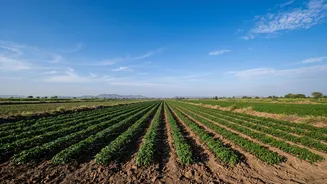
The story for vegetables is one of potential volatility. Unlike grains and pulses, most vegetables are perishable and have a shorter cultivation cycle, making them highly susceptible to immediate weather conditions. Excessive rain can damage standing crops and disrupt transport from farms to markets, while insufficient rain can stunt growth and reduce yields. With September predicted to have deficit rainfall, the lack of adequate soil moisture could impact the vegetable harvest. This can lead to supply constraints in local markets. Consumers may see sharp, short-term fluctuations in the prices of essentials like tomatoes, onions, and leafy greens, with costs varying significantly by region depending on local weather and supply chain efficiency.
Inflationary Concerns and What to Expect
The weak monsoon's impact extends beyond the farm gate to the broader economy, fueling inflation fears. Food items constitute a large portion of India's Consumer Price Index (CPI), and a shortfall in agricultural production can quickly translate into higher inflation. Food inflation was already showing an upward trend in July, even before the full impact of the monsoon's poor performance could be felt in the market. Experts warn that if the weak rainfall continues through September, it could push headline inflation higher for the financial year. For the average household, this means that the cost of the daily food thali is likely to increase as the effects of a strained harvest begin to reflect in wholesale and retail markets. While government interventions like releasing buffer stocks or adjusting import duties could provide some relief, consumers should brace for potential price pressures this month.