






Embrace Cross-Ventilation
The simplest and most effective way to banish stuffy air is by creating a pathway for it to move. This is known as cross-ventilation. The basic principle is to have air enter from one side of a room or home and exit from the other, taking stale, humid
air with it. To do this, open windows or doors that are positioned opposite each other. Even cracking open two windows in different parts of your home can create a gentle but effective breeze that refreshes the entire space. For this to work best, ensure the path between the openings is not blocked by large furniture. Keeping interior doors open also helps air to circulate more freely between rooms.
Use Fans Strategically
Fans are not just for cooling; they are essential for air movement. Ceiling fans are great for keeping the air from becoming stagnant in a room. For rooms without windows, a simple portable fan can make a significant difference. However, the real heroes of ventilation are exhaust fans. Found in kitchens and bathrooms, their job is to pull moisture-rich air directly outside. Always run your bathroom exhaust fan during and for at least 20 minutes after a shower to prevent steam from settling on surfaces. Similarly, use the kitchen range hood every time you cook to expel steam, smoke, and heat. This simple habit is one of the most effective ways to prevent moisture buildup.
Identify and Reduce Moisture Sources
Ventilation fights the symptoms, but it's also crucial to tackle the sources of excess humidity. Common culprits include drying clothes indoors, which releases a significant amount of water into the air. If you must dry laundry inside, do it in a single, well-ventilated room, preferably with a fan running or a window cracked open. Other sources can include leaky pipes under sinks or in walls, so a quick inspection can sometimes reveal a hidden problem. Even having too many indoor plants in a poorly ventilated room can contribute to higher humidity. While great for air quality, they release moisture, so ensure they are in a space with good airflow.
Consider a Dehumidifier
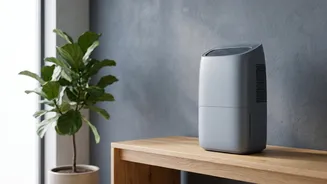
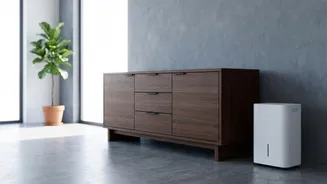
In persistently humid environments, like coastal cities or during the monsoon season, a dehumidifier can be a game-changer. These appliances work by pulling moisture directly out of the air, collecting it as water in a reservoir. Maintaining an indoor humidity level between 30% and 50% is ideal for comfort and for preventing the growth of mould and dust mites, which thrive in damp conditions. Many modern air conditioners also have a 'Dry Mode', which functions as a dehumidifier without over-cooling the room—a perfect feature for muggy monsoon days. Using a dehumidifier can make the air feel fresher, protect furniture and electronics from moisture damage, and make your home less hospitable to allergens.
Check and Maintain Vents
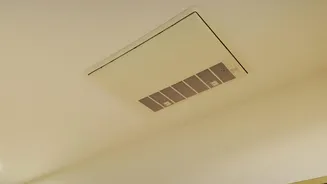
Your home might already have ventilation systems that you're not aware of or that aren't working correctly. Many buildings have small vents in walls, attics, or crawl spaces designed to let the structure breathe. Ensure these are not blocked by furniture, storage boxes, or dust. Clothes dryers should always be vented to the outside; a dryer venting into a basement or laundry room will pump large amounts of humid air back into your home. A well-maintained air conditioning system with clean filters also contributes to better air circulation and humidity control, so regular servicing is important.