




The End of the Off-Season
For decades, the Indian travel calendar was predictable: two main seasons for holidays and a long, quiet lull during the monsoon. That calendar is now being rewritten. The monsoon, once considered a spoiler, is emerging as a powerful travel driver in its
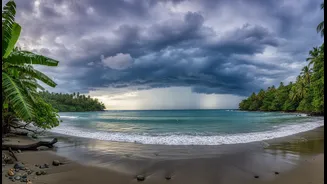
own right. Major hospitality brands and travel platforms are reporting unprecedented demand for what was traditionally a lean period. For example, some hill stations like Munnar and Mussoorie have seen a nearly tenfold growth in hotel bookings compared to last year. Even popular destinations like Goa, which typically saw a drop in prices during the rains, now maintain resilient pricing due to sustained demand. This isn't just a minor uptick; it's a structural shift, with July bookings pacing nearly 10% ahead year-on-year for major hotel groups.
What's Driving This Rainy Renaissance?
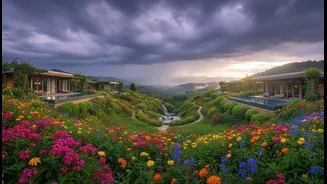
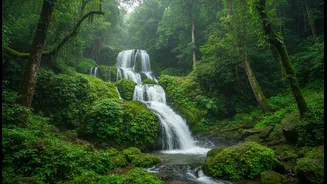
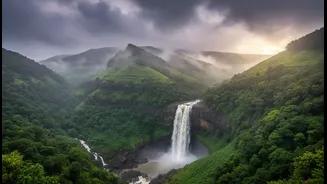
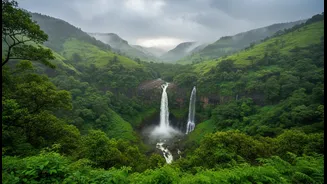
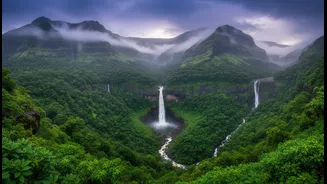
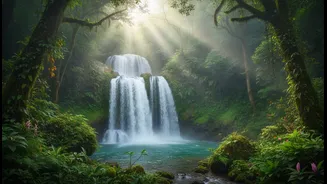
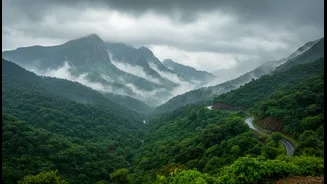
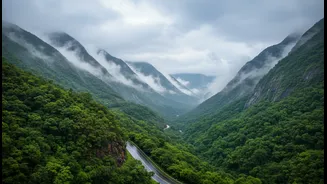
Several factors are fuelling this change in travel behaviour. The rise of flexible work schedules and a growing preference for shorter, more frequent breaks have made quick getaways more accessible. Travellers are no longer limiting vacations to traditional summer or winter holidays. There's also a clear shift towards experience-led travel. People aren't just looking for a sunny beach; they are intentionally seeking the unique beauty of a rain-drenched landscape. The lush greenery, vibrant waterfalls, and cooler temperatures offer a different, more immersive experience. This has been amplified by travellers becoming more intentional about their plans, looking for a mix of value, convenience, and memorable experiences that the monsoon season, with its unique charm, can provide.
From Mountains to Coasts: The New Hotspots
The demand is widespread, touching every corner of the country. Hill stations across the Himalayas are seeing a massive influx of visitors. Destinations in Himachal Pradesh and Uttarakhand, such as Shimla, Tirthan Valley, and Rishikesh, have reported growth rates of up to 95% in footfall. In the south, Kerala’s backwaters and the tea gardens of Munnar and Wayanad remain perennial favourites, now drawing even larger crowds who come for wellness and nature-based retreats. Even states like Rajasthan, with cities like Udaipur, are seeing sustained demand for heritage and cultural tourism during the rains. The trend also includes a desire to explore lesser-known destinations, with travellers venturing into places like Nagaland and Arunachal Pradesh, which have seen a 62% year-on-year rise in flight bookings.
How the Industry is Responding
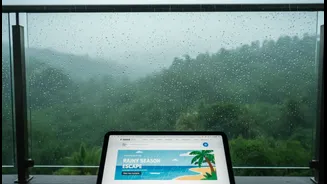
The travel and hospitality industry has been quick to adapt. Instead of offering deep discounts to fill empty rooms, hotels and travel companies are now creating curated monsoon packages. These promotions focus on the experience itself, bundling stays with activities like wellness treatments, culinary tours featuring seasonal cuisine, and indoor recreational offerings. Many travel platforms are running dedicated monsoon sales, not as a desperate measure, but to cater to the organised demand. Hotels report that pricing has become more resilient, as the perception of the monsoon as an 'off-season' fades. This shift benefits the industry by creating a more stable, year-round business model, reducing reliance on just a few peak months.
Why This Trend Matters for Everyone
This transformation of monsoon travel matters because it signals a more mature and diversified tourism economy. For local communities in tourist areas, it means a more consistent stream of income, reducing the economic instability of seasonal work. For travellers, it opens up new opportunities to see India in a different light, often at a slower, more thoughtful pace. It encourages the exploration of lesser-known regions, which helps reduce the burden of overcrowding on traditional hotspots. This trend is also driven by a growing consciousness among travellers to avoid peak-season crowds and reduce pressure on destinations. As more people discover the magic of the monsoons, it's clear that India doesn't have an off-season anymore—it just has different, and equally beautiful, reasons to travel all year long.