



The New Rules of Survival
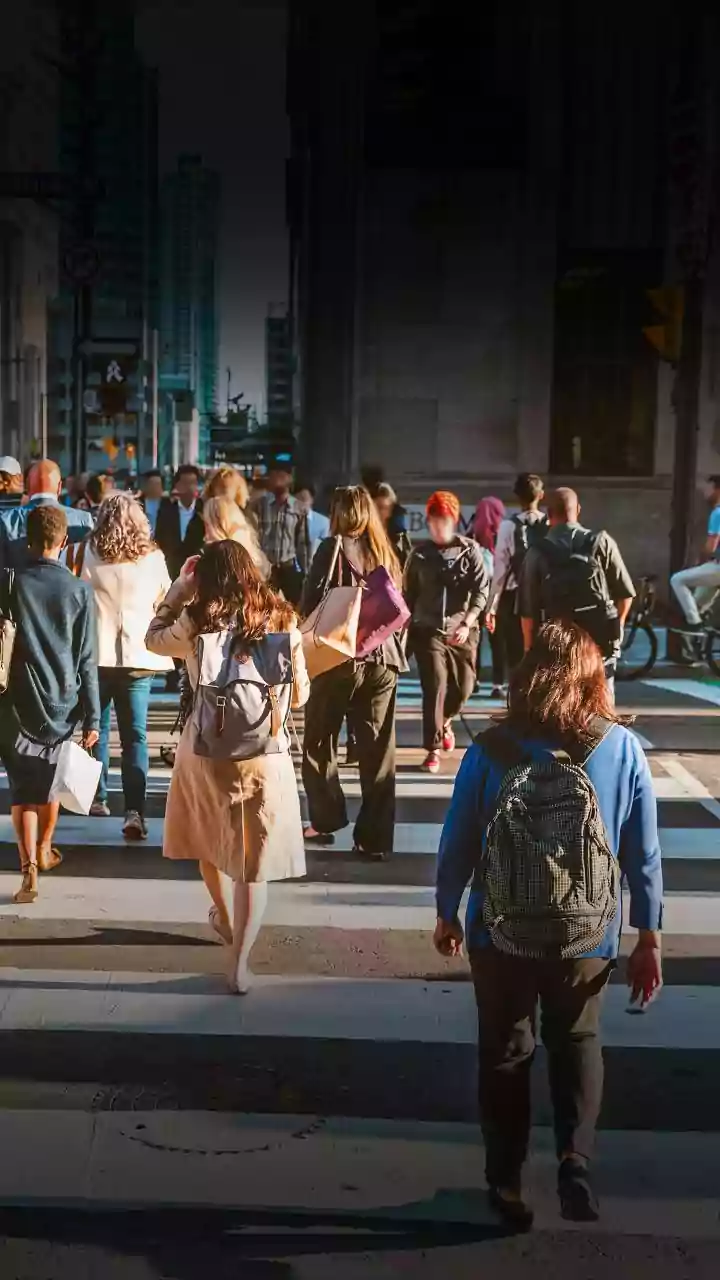
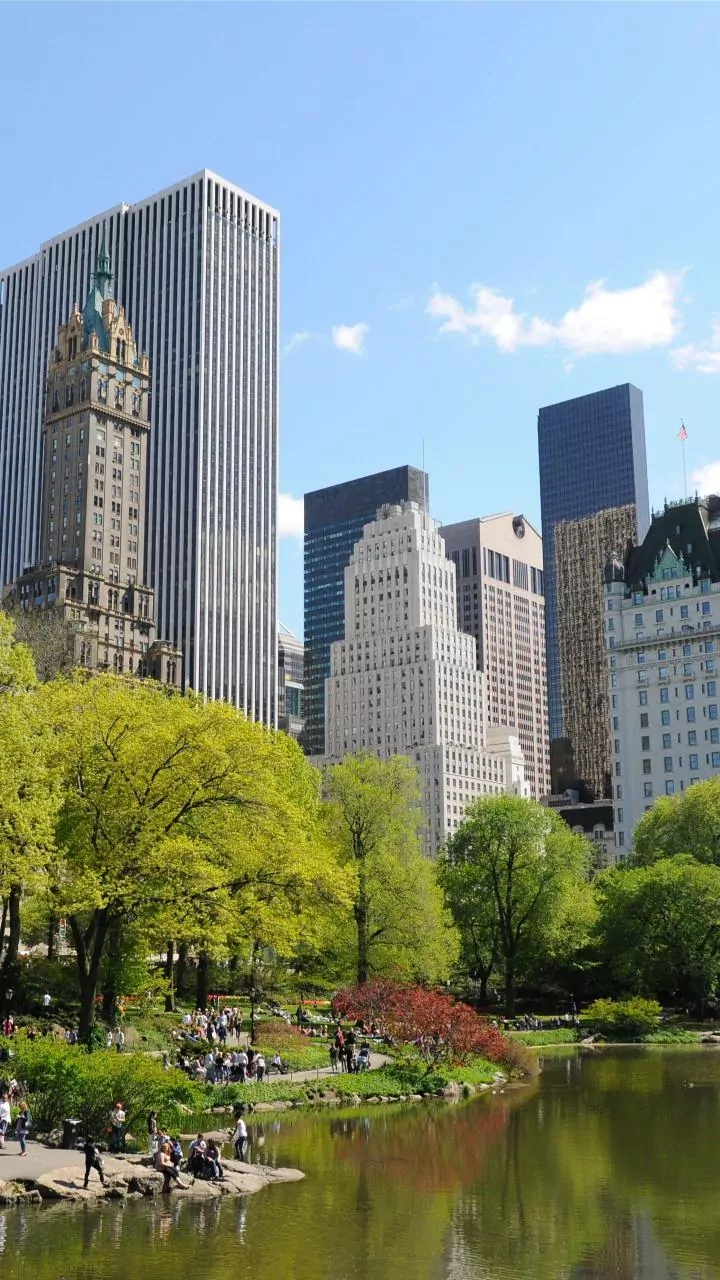
Urbanisation is one of the most powerful forces on the planet, transforming natural landscapes into mosaics of buildings, roads, and parks. For wildlife, this means their homes are shrinking. Yet, for a surprising number of species, the city isn't an ending
but a new beginning. They are adapting their behaviour, diets, and even their genetics to survive and thrive in these human-dominated environments. This process, sometimes called synurbization, reveals the remarkable resilience of nature. Animals that are generalists—able to eat various foods and live in different types of shelter—are often the most successful. From changing sleep schedules to becoming bolder, the urban jungle is forcing wildlife to learn a new set of rules.
Case Study: The Leopards of Mumbai
Perhaps no animal illustrates urban adaptation better than the leopards of Mumbai. Within the sprawling metropolis, Sanjay Gandhi National Park provides a forested refuge surrounded by some of the most densely populated neighbourhoods on Earth. Researchers have found that these big cats have made remarkable adjustments. They are primarily nocturnal, using the cover of darkness to navigate territories that overlap with millions of people. Instead of competing for traditional forest prey, they have adapted their diet, with a significant portion consisting of stray dogs that scavenge from garbage dumps. These leopards have learned to use drainage channels, railway lines, and narrow alleys as corridors, moving silently through the city's veins after dark. It's a delicate and sometimes tense coexistence, but it shows how a highly adaptable predator can carve out a life at the heart of a megacity.
Delhi's Macaques: The Savvy City Dwellers
In cities like Delhi and Jaipur, rhesus macaques have become the quintessential urban survivors. These monkeys are highly intelligent and possess a behavioural flexibility that makes them perfectly suited for city life. Their natural habitat of rocky cliffs and forests is mimicked by the ledges, balconies, and rooftops of buildings, which offer safe places to rest. As generalist omnivores, they are adept at exploiting human food sources, from unattended fruit stalls and leftovers to direct offerings from people at temples. This has led them to alter their schedules to align with human activity, capitalising on opportunities while avoiding direct conflict where possible. While their boldness can lead to human-wildlife conflict, their presence underscores how some species don't just survive in cities—they learn to master them.
Adapting from the Inside Out
The changes aren't just behavioural; they are happening at a biological level. In a process known as urban evolution, some species are undergoing rapid genetic shifts. Birds are a prime example. Many city songbirds, like blackbirds and great tits, have learned to sing at a higher pitch. This helps their calls cut through the low-frequency rumble of traffic, ensuring they can still attract mates and defend territory. Other studies have pointed to physiological changes. Some insects are developing resistance to common urban pollutants, while certain lizards have evolved longer limbs and stickier toe pads to better navigate smooth, man-made surfaces like glass and painted concrete. These are not just learned tricks; they are heritable traits passed down through generations forged in the crucible of the city.
Building a Shared Future
The story of urban wildlife is not without its challenges. Habitat fragmentation remains a major threat, and the proximity between humans and animals inevitably leads to conflict. However, these 'city jungles' also present an opportunity. They show that our urban spaces can be functioning ecosystems, not just biological deserts. By understanding how animals adapt, we can design cities that are more inclusive of biodiversity. Strategies like creating green corridors to connect fragmented habitats, implementing better waste management to reduce animal reliance on garbage, and fostering public awareness can promote coexistence. Protecting urban green spaces, from large parks to small, unmanaged patches of land, is crucial for supporting this surprising biodiversity.