
The Classic Spread Gets a Makeover
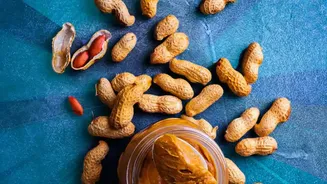
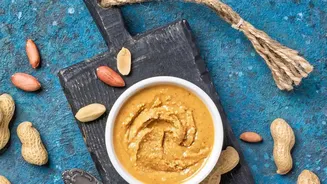
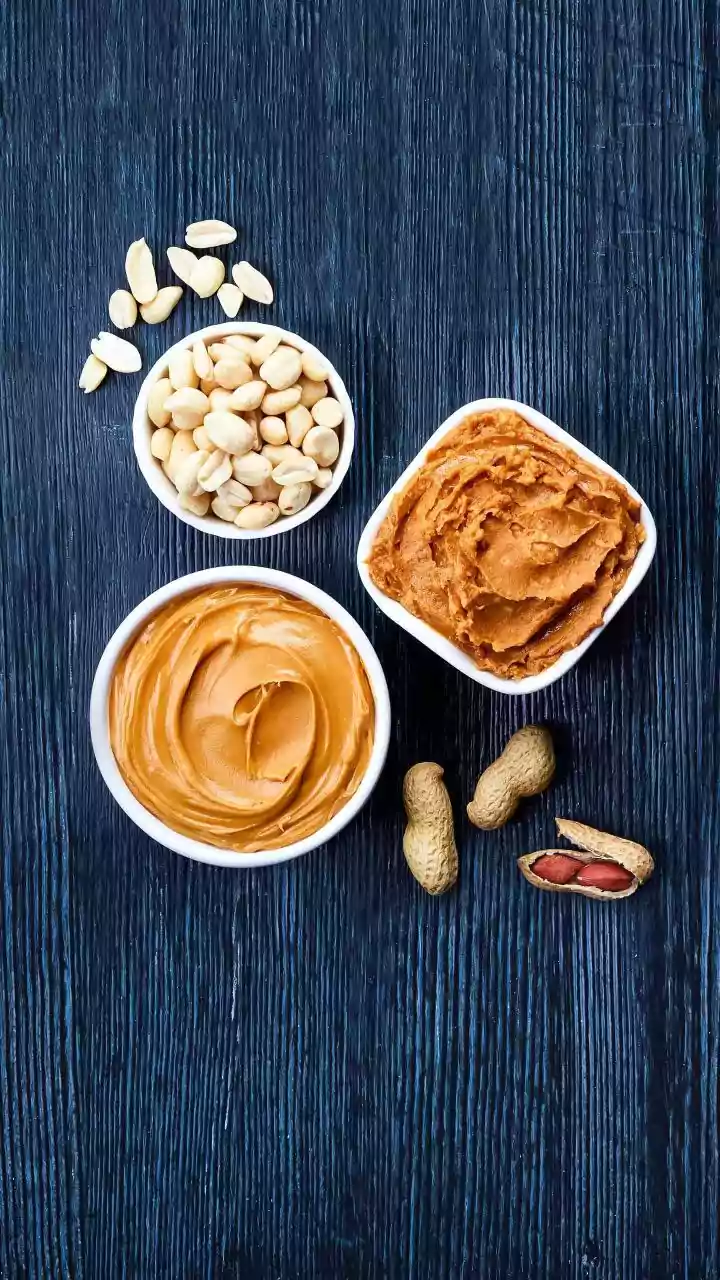
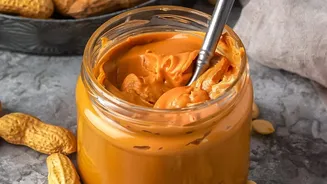
For decades, the nut butter shelf in India was dominated by a handful of mass-market peanut butter brands. Often containing added sugars, hydrogenated oils, and emulsifiers, these products offered convenience but little in the way of culinary excitement
or clean nutrition. This created an opening for a new category of products aimed at a growing segment of Indian consumers who are more health-conscious and adventurous with their food choices. The healthy food market in India is expanding rapidly, with projections showing significant growth as consumers increasingly seek out organic, natural, and minimally processed options. This shift reflects a broader cultural move towards preventive health and wellness, creating the perfect environment for artisanal food producers to thrive.
The Rise of the Artisanal Jar
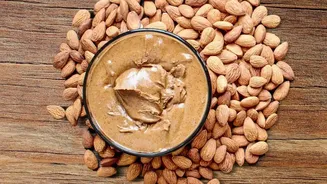
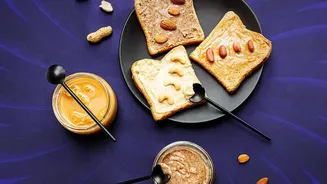
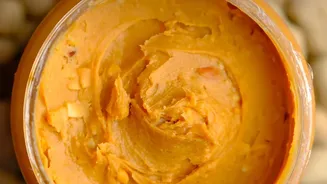
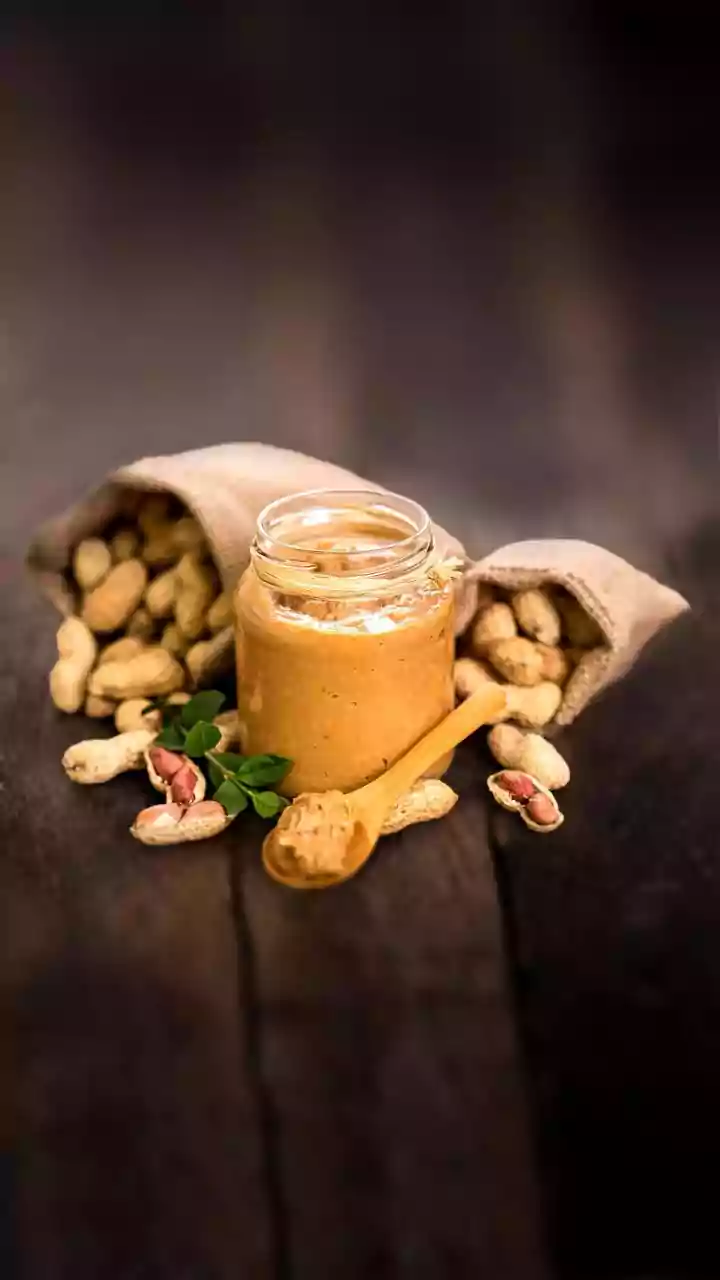
Enter the artisanal nut butter. Crafted in small batches, these products prioritise quality ingredients and traditional methods over mass production. Brands like Native Tongue, The Butternut Co., and Nutty Yogi are leading this charge, offering products that are a world away from their factory-made counterparts. The difference lies in the details: think single-origin nuts, cold-pressed oils, and a commitment to clean labels with no artificial additives. Many of these brands also leverage e-commerce and direct-to-consumer models, allowing them to connect directly with customers and share the story behind their products, a key element for consumers who value authenticity.
A Symphony of Spices and Seeds
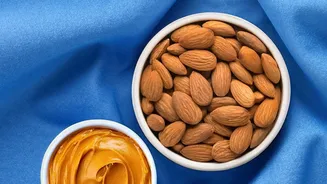
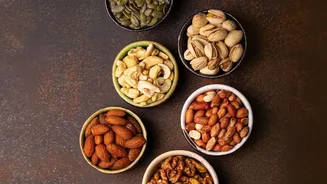
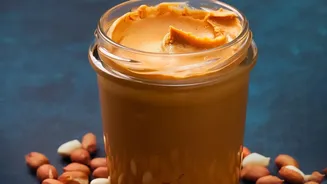
What truly sets these new butters apart is their innovative flavour profiles, which often draw inspiration from India’s own rich culinary heritage. Instead of just creamy or crunchy, you can now find peanut butter infused with Byadgi chilli, and almond butter spiced with cinnamon and jaggery. Brands are experimenting with unique combinations like Thandai nut butter, which blends cashews, almonds, pistachios, and spices, and even savoury options like Peri Peri Cashew Butter. Beyond nuts, seed butters are also gaining popularity. Pumpkin, sunflower, and black sesame seed butters offer distinct flavours and a host of nutritional benefits, serving as excellent sources of protein, healthy fats, and minerals like magnesium and zinc.
More Than Just a Toast Topper
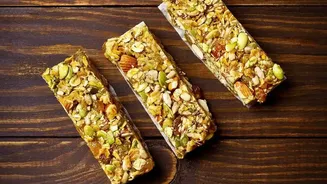
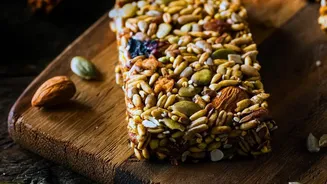
The versatility of these gourmet butters is another major part of their appeal. Their complex flavours lend themselves to a wide range of culinary applications far beyond a simple slice of bread. Spiced nut butters can be whisked into marinades for grilled meats or paneer, used as a base for satay-style sauces, or added to curries for a creamy, nutty depth. Seed butters are a popular addition to smoothies, oatmeal bowls, and energy bars, boosting both flavour and nutritional content. Sweet varieties, like those with dark chocolate or hints of cardamom and rose, are being used to create healthier desserts, dips for fruit, and fillings for homemade sweets.
A Healthier, Tastier Choice
At the heart of this trend is a desire for healthier food that doesn't compromise on taste. Artisanal butters, with their focus on whole ingredients and absence of refined sugars and preservatives, align perfectly with modern wellness goals. Seed butters, in particular, offer a powerful nutritional punch. Sunflower seed butter, for instance, is rich in Vitamin E and selenium, while flaxseed butter is a great source of omega-3 fatty acids. For those with nut allergies, seed butters provide a safe and delicious alternative. This shift is part of a larger movement towards conscious eating, where consumers are not just looking for low-calorie options, but for nutrient-dense foods that contribute to overall well-being.