




An Uneven Monsoon Picture
The 2026 southwest monsoon season has been a story of contrasts. After a delayed and weak start in June, which saw a significant rainfall deficit, July brought a strong recovery in some regions. However, this recovery hasn't been uniform. As of mid-August,
India is facing a cumulative rainfall deficit of around 12%, with a strengthening El Niño effect creating major regional imbalances. While some districts have experienced intense downpours and even flooding, more than a third of the country has been dealing with drought-like conditions. Experts note that this uneven distribution is a critical factor, as a few days of heavy rain cannot make up for long dry spells that deplete soil moisture, especially in crucial agricultural belts.
Kharif Crops Feel the Strain
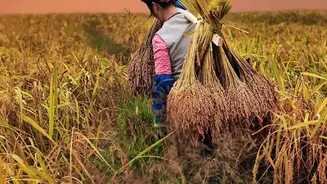
This erratic rainfall pattern is directly impacting the sowing of kharif (summer) crops, which are vital for India's food security. As of August 14, 2026, the total area sown with kharif crops was about 2% lower than the previous year. The sowing season is now mostly over, meaning the final harvest size will depend heavily on crop yields, which are determined by moisture levels in August and September. Key staples are showing signs of stress. Rice acreage is down by approximately 3.7%, and pulses like tur have also seen a decline in sowing. Other critical crops like maize, soybean, and cotton are also lagging. With the India Meteorological Department (IMD) forecasting below-normal rainfall for the remainder of the season, these crops are entering their crucial growth stages with significant uncertainty.
The Journey from Puddle to Plate
The link between rainfall and your grocery bill is a clear chain of events. Less rain during the sowing period leads to reduced planting area. Continued moisture stress during the growth phase can stunt the crop, leading to lower yields per hectare. This double impact reduces the overall supply of staples like pulses, rice, and vegetables. When the harvest is smaller, less produce arrives at the wholesale markets, or mandis. With supply down but demand remaining constant, prices naturally begin to rise. This price pressure starts in the wholesale market and gradually trickles down to retail kirana stores and supermarkets, where consumers feel the direct impact. The effect varies by crop; perishable items like vegetables can see price spikes almost overnight, while storable goods like pulses and cereals may take a few months to reflect the change.
Which Foods Are on the Watchlist?
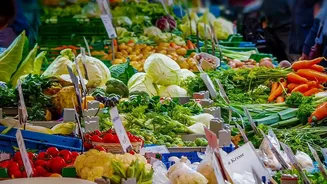
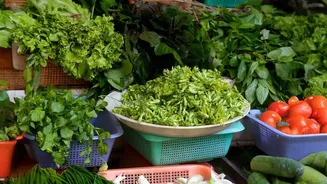
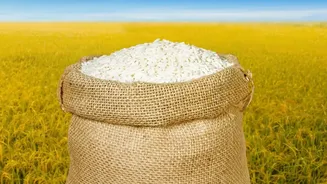
Based on current sowing data and weather forecasts, several key food items could see price fluctuations. Pulses are a major concern as they are largely grown in rain-fed areas. With tur acreage already down, any further stress on the crop could tighten supplies and push up dal prices. Rice is another staple to watch. While buffer stocks and irrigation provide some cushion, a significant drop in kharif output could add inflationary pressure. Vegetables, which are highly sensitive to both excess and deficit rain, have already seen price volatility. Staples like onions, ginger, and garlic have recorded sharp price increases in recent months due to weather disruptions. The outlook for oilseeds like soybean is also precarious, as they are at risk of moisture stress during the critical pod-formation stage. A poor harvest could affect the domestic availability of cooking oils.