



The Enduring Charm of Sandesh
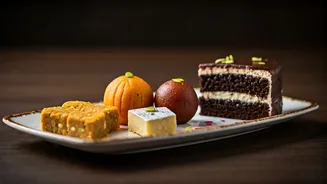
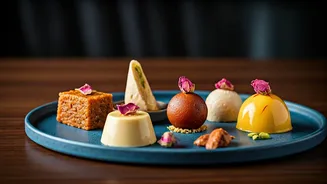
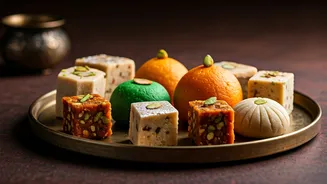
Sandesh, particularly revered in West Bengal, is more than just a sweet; it's a cultural icon. Traditionally, this dessert is crafted from fresh chhena (milk solids or paneer) obtained by curdling milk. The chhena is painstakingly kneaded until smooth,
then gently cooked with fine sugar until it forms a soft, pliable dough. This mixture is then shaped into various forms, often adorned with a single pistachio or a strand of saffron. Its melt-in-the-mouth texture and subtle sweetness have made it a staple for festivals, celebrations, and everyday indulgence. The art of making perfect Sandesh is a skill passed down through generations, balancing texture and sweetness to create a deceptively simple masterpiece.
A Health-Conscious Shift in the Indian Palate
In recent years, a wave of health and wellness awareness has swept across India, changing how people approach their diets, even when it comes to dessert. There's a growing demand for 'better-for-you' sweets that reduce or replace refined white sugar, which is often seen as a source of empty calories. This has sparked a quiet revolution in the mithai industry, with sweet makers and home cooks alike seeking natural, less-processed alternatives that don't compromise on taste. Consumers want indulgence without the guilt, pushing for innovations that align with a healthier lifestyle, including options for those managing conditions like diabetes.
Enter Liquid Palm Jaggery (Nolen Gur)
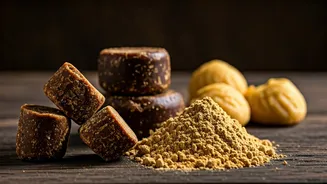
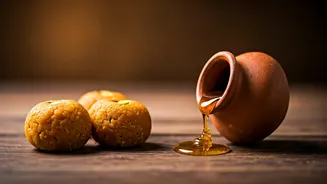
The answer to this modern dilemma comes from a deeply traditional source: liquid palm jaggery, famously known in Bengal as Nolen Gur ('new jaggery'). This isn't your everyday gur. It is a seasonal delicacy, harvested only during the winter months from November to February from the sap of the date palm tree. Skilled workers collect the sweet sap overnight in earthen pots, a practice that must race against time to prevent fermentation as the day warms. The collected sap is then slow-cooked over a fire, gradually thickening into a rich, aromatic, and smoky liquid gold. Its flavour profile is complex, with notes of caramel and a unique smokiness that is entirely distinct from sugarcane jaggery.
A Healthier Sweetener?
The enthusiasm for palm jaggery isn't just about its unique taste. It is often touted as a healthier alternative to refined sugar for several reasons. It is less processed, allowing it to retain trace amounts of minerals like iron, potassium, and magnesium, as well as B vitamins. Furthermore, palm jaggery is reported to have a lower glycemic index (GI) than white sugar, meaning it releases sugar into the bloodstream more slowly. This can help in avoiding the sharp blood sugar spikes associated with refined sweeteners. While it still contains calories and should be consumed in moderation, its nutritional profile and slower energy release make it a preferred choice for the health-conscious.
The Art of the Makeover
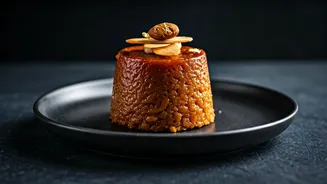
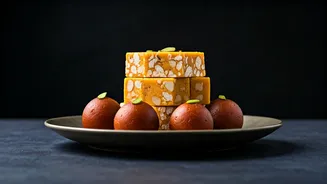
Incorporating Nolen Gur into Sandesh is a natural evolution that marries two Bengali treasures. Confectioners substitute refined sugar with this liquid jaggery, a process that transforms the sweet in delightful ways. The chhena is kneaded and then cooked with the Nolen Gur over a low flame. The result is a Sandesh that takes on a beautiful, light-brown hue and a softer, more fudge-like consistency. The flavour is the real star—the mild, milky taste of the chhena is perfectly complemented by the deep, smoky caramel notes of the gur. This variation, known as 'Nolen Gurer Sandesh', is not entirely new, but its popularity is surging as it perfectly aligns with the modern search for healthier, natural ingredients.
Tradition, Beautifully Reimagined
The rise of the Nolen Gurer Sandesh is a perfect example of how tradition can adapt without losing its soul. It's not about abandoning the classic Sandesh but expanding the repertoire to welcome a new generation of dessert lovers. This healthy makeover allows a beloved sweet to find its place in the modern Indian kitchen, where taste and well-being go hand in hand. By turning to a traditional, seasonal ingredient like Nolen Gur, sweet makers are proving that the future of Indian desserts can be both innovative and deeply rooted in its rich culinary heritage.