



The Great Kitchen Reboot
For many, everyday vegetarian food in India has long revolved around a familiar cast of characters: potatoes, lentils, and the ever-present paneer. While delicious and dependable, this routine has often overshadowed the sheer diversity of produce the subcontinent
has to offer. Now, a growing movement of chefs, home cooks, and food enthusiasts is consciously looking inward, sparking a creative renaissance. They are moving away from the usual suspects and rediscovering the unique flavours, textures, and nutritional benefits of ingredients that grow in their own backyards. This shift isn't just about novelty; it's a return to roots, driven by a desire for sustainability, health, and a deeper connection to India’s rich agricultural heritage.
Rediscovering Forgotten Treasures
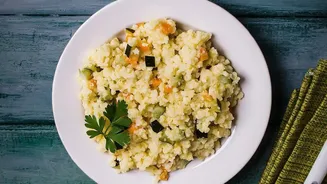
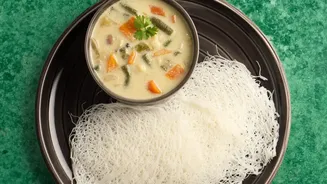
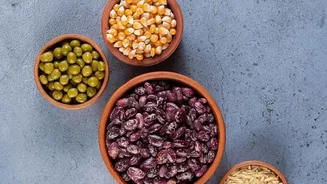
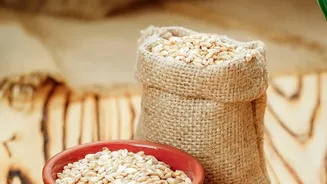
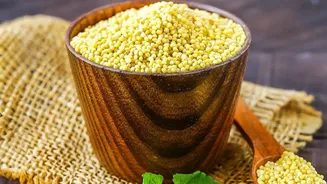
The stars of this culinary shift are not exotic imports, but humble, often-forgotten local heroes. Ancient grains like ragi (finger millet), jowar (sorghum), and bajra (pearl millet) are making a major comeback. Once considered coarse or old-fashioned, these grains are now celebrated for being gluten-free, nutrient-dense, and incredibly versatile. They are being transformed into everything from fluffy idlis and crisp dosas to hearty biryanis and rustic rotis. Similarly, a vast array of regional vegetables are finding their way back to the centre of the plate. Think of dishes built around raw banana, jackfruit, amaranth leaves, moringa (drumstick leaves), and a wide variety of local gourds and tubers that had been pushed aside by more mainstream options.
More Than Just Good Taste
This embrace of local ingredients is driven by more than just culinary curiosity. There is a growing awareness of the powerful health benefits. Millets, for example, have a lower glycemic index than polished rice and are packed with fibre, protein, and micronutrients, making them an excellent choice for managing modern lifestyle diseases. Eating locally and seasonally also has significant environmental advantages. It reduces food miles, lowers the carbon footprint associated with transporting produce over long distances, and supports sustainable agricultural practices. Furthermore, this trend provides crucial support to local farmers and helps preserve agrobiodiversity, ensuring that unique, climate-resilient crop varieties don't disappear.
From Fine Dining to Your Dinner Table
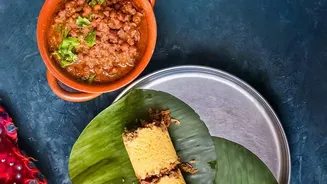
While innovative chefs in high-end restaurants were among the first to champion this 'farm-to-table' philosophy, the trend is no longer confined to exclusive tasting menus. Thanks to social media, food blogs, and a renewed sense of pride in regional cuisines, these ideas are inspiring home cooks across the country. People are experimenting with millet-based batters for their breakfast pancakes, trying a 'ker sangri' from Rajasthan, or making a flavourful curry with vegetables they just discovered at their local market. This grassroots adoption is turning what could have been a fleeting trend into a meaningful and lasting change in how India eats, with many restaurants and cafes also adding creative, locally sourced vegetarian options to their menus.