






What the FDA Alert Actually Said
In early July 2026, the Maharashtra Food and Drug Administration (MFDA) issued a public warning against three specific cosmetic products after lab tests found they contained dangerously high levels of mercury and lead. The products identified were Goree
Beauty Cream, Face Fresh Gold (a combo of beauty cream and serum), and Golden Star Beauty Cream. The regulator declared them "Not of Standard Quality" and unsafe for use, instructing retailers, distributors, and e-commerce sites to immediately halt sales and recall existing stock. Authorities warned that prolonged use of these products could lead to severe health issues, including damage to the kidneys and nervous system.
Context Is Key: Unlicensed and Mislabeled Products
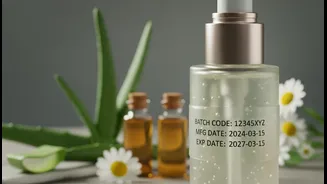
A critical piece of context is that these flagged products were not just found to contain toxins; they also failed basic regulatory requirements. The MFDA noted that the products were missing mandatory information like the manufacturer's name and address, batch number, and manufacturing and expiry dates. This suggests the items are likely part of the grey market of illegally imported or counterfeit goods, rather than products from mainstream, regulated brands available in most stores. One of the creams, Goree Beauty Cream, is reportedly made in Pakistan and has been flagged by regulators in other countries like New Zealand and the Philippines in previous years for similar safety concerns. This isn't an indictment of the entire cosmetics industry, but a targeted action against specific, non-compliant products.
The Real Dangers of Heavy Metals in Skincare
The alarm bells are ringing for good reason. Mercury is often used illicitly in 'fairness' creams because it blocks melanin production, the pigment that gives skin its colour. However, it's a potent toxin. According to health experts, mercury absorbed through the skin can accumulate in the kidneys and other organs, causing long-term damage. In fact, the recent regulatory action was reportedly prompted by a series of health incidents in Nagpur, where several women developed kidney ailments after using such creams. Lead is another dangerous heavy metal that can harm the nervous system and impair kidney function. Under India's Cosmetics Rules, 2020, mercury and its compounds are prohibited from being used in cosmetic products.
How to Be a Smarter, Safer Beauty Shopper
This alert serves as a powerful reminder for consumer vigilance. The risk often lies with unverified sellers, especially online and in local markets. To protect yourself, always buy cosmetics from official brand websites or authorized retailers. Scrutinize the packaging: look for high-quality printing, correct spelling, and properly sealed products. Most importantly, check for a complete label that includes the manufacturer's license number, a full ingredient list, batch number, and expiry date. If a deal on a premium product seems too good to be true, it probably is. If you suspect a product is fake or has caused a reaction like redness or itching, stop using it immediately.
India's Regulatory Framework
India's cosmetic industry is regulated under the Drugs and Cosmetics Act of 1940 and the newer Cosmetics Rules, 2020. The Central Drugs Standard Control Organization (CDSCO) and state-level FDAs are responsible for oversight. While domestic manufacturing requires a state license, all imported cosmetics must be registered with the CDSCO before they can be legally sold in the country. However, the booming e-commerce market, valued at over US$30 billion, creates challenges for enforcement, allowing unlicensed and counterfeit products to slip through the cracks via third-party sellers. Regulators are increasing their crackdown, but informed consumers remain the first and best line of defense.