






The Big Change: What is UPI MDR?
Starting October 15, 2026, India's digital payment landscape will undergo a significant adjustment. A Merchant Discount Rate (MDR) will be applied to certain Unified Payments Interface (UPI) transactions. Specifically, a 0.4% charge will be levied on person-to-merchant
(P2M) payments exceeding ₹2,000. This MDR is a fee that merchants pay to their bank for processing the payment. It's crucial to note that the government and the National Payments Corporation of India (NPCI) have been clear: this charge is for the merchant, not the customer. The aim is to create a sustainable revenue model for the payment ecosystem, which has largely operated on a zero-MDR basis for UPI since 2020. This helps banks and payment providers invest in technology and expand infrastructure.
How It Affects Merchants and You
While customers are not meant to be charged, the key question is whether merchants will absorb this new cost or pass it on. For a ₹3,000 purchase, the MDR would be ₹12. For a ₹75,000 transaction, it's capped at ₹300. Surveys indicate that many consumers might switch to other payment methods if they are asked to bear this fee. A recent national poll found that only 14% of users would be willing to pay the extra charge. In Mumbai, for instance, 29% said they would switch to a credit card and 20% to cash if the MDR is passed on for payments above ₹2,000. However, the NPCI chief has suggested that the impact might be limited, as 80% of the MDR collected would come from large businesses that already factor in higher credit card processing fees into their pricing. Small merchants receiving up to ₹1 lakh per month via UPI QR codes will remain exempt from MDR.
The Credit Card's Quiet Advantages
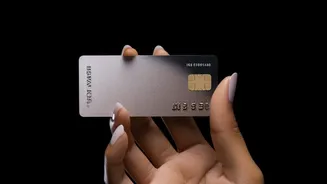
This is where credit cards suddenly look more appealing for certain transactions. For years, their higher MDR (typically 1.5% to 2.5%) made them less attractive to merchants compared to the 'free' UPI. But if the cost gap narrows, the focus shifts back to consumer benefits. Credit cards offer several advantages that UPI, which functions like a digital debit, does not. These include reward points, cashback, airport lounge access, purchase protection, and an interest-free credit period of up to 48 days. This grace period allows your money to stay in your bank account longer, while also providing a financial buffer for large, planned expenses.
Which Transactions Might Shift to Cards?
The potential shift away from UPI will likely be most visible in high-value, non-essential spending where the benefits of using a credit card are most pronounced. Think about purchasing electronics, booking flights and hotels, buying furniture, or paying for expensive restaurant meals. For these types of transactions, the value of accumulating significant reward points, getting milestone benefits, or enjoying complimentary insurance can easily outweigh the simple convenience of UPI. Using a credit card for these purchases not only offers financial flexibility but also helps in building a strong credit history, which is crucial for securing loans in the future. For daily, low-value payments like groceries, local travel, or sending money to friends, UPI's speed and simplicity will almost certainly ensure it remains the default choice.