



From Menu Paralysis to Trust
For years, the hallmark of many Chennai restaurants was the encyclopedic menu. Spanning multiple pages and cuisines, these menus were designed to offer something for everyone. From North Indian to Chinese to Continental, the goal was abundance. While
this provided variety, it often led to what experts call 'decision fatigue.' Diners, faced with a dizzying array of choices, found it harder to choose, and the quality could be inconsistent across such a wide range of dishes. Today, there's a clear shift. Diners are showing a preference for shorter, more focused menus, trading overwhelming choice for the promise of a well-executed meal. This change signals a maturing palate and a growing trust in the chef's vision.
The Rise of the Chef's Vision
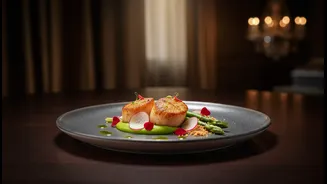
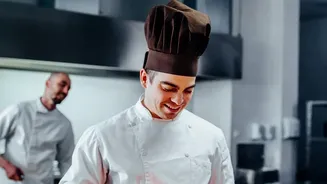
Driving this trend are chef-led concepts and fine-dining establishments that put storytelling at the heart of the meal. Restaurants are moving away from the 'something for everyone' model and toward sharply defined identities. Establishments like Avartana at the ITC Grand Chola, for example, present a theatrical journey through South Indian cuisine with deconstructed classics served over multiple courses. It offers several set tasting menus, ranging from seven to thirteen courses, focusing on a cohesive culinary narrative. Similarly, the newly opened Poppadum in Kilpauk builds its philosophy around presenting familiar Indian flavours in unexpected ways, creating a memorable and engaging experience rather than just a meal. These chef-driven restaurants aren't just serving food; they are curating an entire evening.
An Experience, Not Just a Meal
So why is this happening now? Industry experts point to a post-pandemic evolution in dining, where intimate and creative gourmet concepts have come to the forefront. Diners are more receptive to unique experiences, from special tasting menus to chef's table events. This isn't about snobbery; it's about a desire for authenticity and connection. A curated menu allows a chef to showcase the best seasonal ingredients, reduce food waste, and perfect a smaller selection of dishes. For the diner, it means a more relaxed and immersive experience. Instead of labouring over choices, they can place their trust in the chef's expertise and be taken on a culinary journey. Restaurants like Savya Rasa, which focuses on the diverse cuisines of South India, and Pandan Club, which brings Peranakan food to the forefront, are thriving by offering a distinct point of view.
Quality Over Quantity
This trend also reflects a broader shift in consumer values, where quality and experience are prized over sheer volume. A smaller menu often implies a kitchen that is confident in its offerings and committed to high standards. It suggests that ingredients are fresher and that each dish receives more attention. While Chennai's dining scene still offers a vibrant mix of options, from sprawling buffets to humble street food stalls, the growth of curated dining speaks to a new kind of food lover. This diner is value-conscious but also loyal, seeking concepts that have a clear identity and deliver on their promise. Whether it's a five-course Chettinad meal or an inventive tasting menu, the appeal is the same: an evening where the decisions are made for you, and every dish tells a part of a larger story.