





The Physical Challenge: Total Body vs. The Great Outdoors
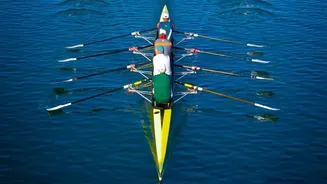
Rowing is renowned as one of the most comprehensive full-body workouts available. It engages approximately 86% of your muscles, including the legs, core, back, and arms, in a single fluid motion. This makes it incredibly efficient for building both strength
and cardiovascular endurance. The exercise is also low-impact, placing minimal stress on the joints, which is a significant advantage for long-term health or for individuals with existing joint concerns. Hiking, on the other hand, is a weight-bearing exercise primarily focused on the lower body and core. Its intensity is highly variable, depending on the terrain's steepness and the pace. While it may not provide the same upper-body workout as rowing, hiking is excellent for building stamina, improving balance on uneven ground, and strengthening bones. Calorie burn for both is impressive, with intense rowing potentially burning up to 600 calories per hour, while a challenging hike can burn between 430 and 550.
The Mental Escape: Rhythmic Focus vs. Natural Immersion
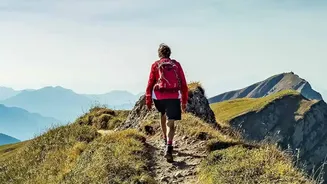
Both activities offer powerful mental health benefits, but they achieve them in different ways. The repetitive, cyclical nature of rowing can be highly meditative, creating a 'flow state' that helps clear the mind, reduce anxiety, and release mood-boosting endorphins. Being on the water has also been shown to have a profound calming effect. Hiking's mental advantage comes from immersion in nature. Studies consistently show that 'green exercise' — activity performed in natural environments — can reduce stress, anxiety, and mental fatigue more effectively than indoor workouts. Exposure to fresh air and natural scenery helps lower levels of the stress hormone cortisol and can combat rumination, which is the cycle of negative thoughts.
The Social Dynamic: Built-in Teamwork vs. Flexible Community
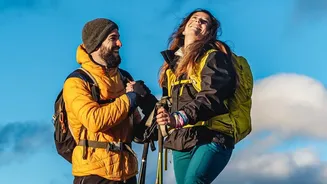
This is where the two activities diverge most significantly, especially when comparing group rowing to hiking. Crew rowing is inherently a team sport; its success depends entirely on camaraderie, communication, and synchronisation. This fosters a deep sense of community and mutual accountability. Your teammates depend on you to show up and perform, creating strong bonds and a powerful support system. Hiking can be a solo pursuit for quiet reflection or a social activity. While group hikes build community and offer shared experiences, the social connection is more flexible. You can choose your company and your level of interaction, making it adaptable to your social energy on any given day. Rowing clubs in India, such as the Madras Boat Club, have fostered these tight-knit communities for over a century, creating lifelong friendships alongside athletic pursuits.
Accessibility and Practicality: Getting Started
When it comes to accessibility, hiking has a lower barrier to entry. It requires minimal specialised equipment—-a good pair of shoes is the main necessity—and can be done on local trails or in national parks. Rowing, particularly on-water rowing, requires access to a body of water and a boat, which typically means joining a club. Rowing clubs and water sports centres in cities like Chennai and others across India provide the necessary infrastructure and training, though access can be geographically limited. Learning the proper rowing technique is also crucial for effectiveness and injury prevention, often requiring initial coaching. Both activities, however, can be adapted for beginners, with options for gentle hikes and novice rowing programmes available.