



In the bustling lanes of India's cities, a quiet crisis unfolds: priceless family recipes, the heart of culinary heritage, are fading with each generation. But an unlikely hero has emerged, turning the tide one delicious bite at a time.
More Than Just a Meal
Forget the typical
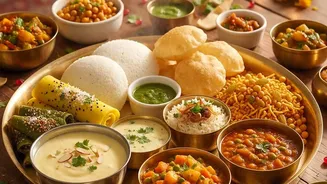
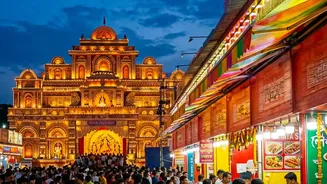
tourist dinner. Experiential urban gastronomy tours are immersive journeys into the heart of a city's food culture. These are not about fine-dining restaurants but about navigating crowded markets, stepping into humble family kitchens, and visiting decades-old street food stalls. The goal is to taste a place in order to understand it. Participants learn not just what people eat, but why they eat it, exploring how history, geography, and community traditions have shaped every dish. From the Mughal-inspired delicacies of Old Delhi to the spice-laden coastal cuisine of Chennai, these tours offer a story with every serving.
The Economics of Authenticity
One of the most powerful ways these tours preserve heritage is by creating a direct economic incentive. Many traditional recipes are complex and time-consuming, making them impractical for commercial restaurants and even busy households. By bringing appreciative, paying customers to the doorsteps of home cooks and small, generational vendors, these tours make it viable for them to continue their craft. When a family in Lucknow finds there is a genuine demand for their slow-cooked galouti kebab recipe, passed down through generations, they have a reason to keep making it. This creates a micro-economy built on authenticity, turning heritage itself into a valuable asset rather than a forgotten chore.
From Oral History to Living Archive
For centuries, most of India's most treasured recipes have existed only in memory and practice, passed down orally from one generation to the next. This makes them incredibly vulnerable to being lost. Food tour operators often become unintentional archivists. In the process of creating their tours, they seek out these recipes, listen to the family stories behind them, and document the specific techniques and ingredient combinations. Some even create journals or online content sharing these culinary histories. This act of documentation translates oral tradition into a more permanent record, ensuring that even if a family line ends or a business closes, the recipe itself has a greater chance of survival.
Creating a New Generation of Ambassadors
A recipe is only truly alive when it is being cooked and eaten. These tours introduce heritage dishes to a new and diverse audience—urban Indians, international tourists, and young food enthusiasts who may have otherwise never encountered them. This exposure does more than just create a memorable travel experience; it builds a new base of appreciation. A tourist who tastes an authentic Parsi dish in a Mumbai home becomes an ambassador for that cuisine, sharing their experience and perhaps even seeking out the ingredients back home. This globalises interest in regional Indian food, ensuring its legacy extends far beyond its original kitchen.
Navigating the Challenge of Commercialization
While beneficial, the commercial aspect of food tourism is a double-edged sword. There is always a risk that in the pursuit of profit, authenticity can be diluted, turning a rich cultural experience into a staged performance. The best tour operators are keenly aware of this. They work collaboratively with their community partners, ensuring the focus remains on genuine connection rather than mass-market appeal. Issues like hygiene and managing customer expectations are also critical challenges that reputable tours must address to protect both the visitors and the integrity of the local food scene. The balance lies in celebrating and sharing heritage without commodifying it to the point of erosion.