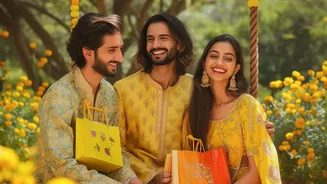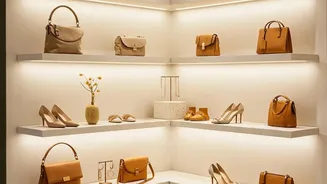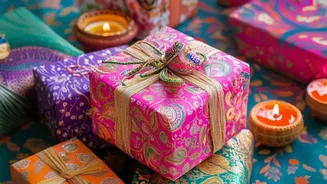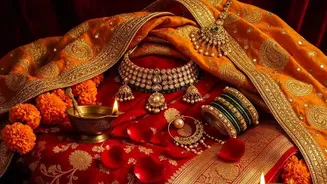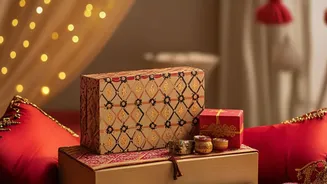





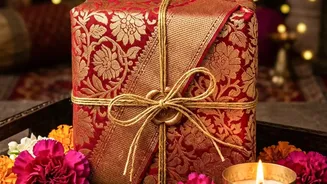

The festive season in India once meant mountains of mithai boxes and generic gift hampers. But a quiet revolution is underway in urban homes, as a new generation of gifters redefines tradition with presents that are personal, practical, and purposeful.
The Slow Decline of the Soan Papdi Cycle
For decades, the exchange of sweets and dry fruits has been the default language of festive greetings in India. It's a tradition steeped in sweetness and shared joy. Yet, many urban households now find themselves in a 'soan papdi cycle', where boxes of sweets are received and re-gifted until they end up forgotten in a cupboard. This cycle highlights a growing disconnect. While the sentiment is appreciated, the gift itself often becomes a burden, contributing to waste and excess sugar consumption. A survey by Kantar India found that 64% of urban households feel a social obligation to return gifts, often stretching their budgets. This pressure, combined with a heightened awareness of health, is causing many to question the logic of obligatory, impersonal gifting.
The New Era of 'Usable' and 'Mindful' Gifting
In place of predictable sweets, a new category of 'thoughtful' and 'usable' gifts is emerging. This trend is less about the price tag and more about the intention behind the present. The new-age gift is something that aligns with the recipient's lifestyle, values, or needs. Popular choices now include artisanal food products like flavoured nuts and gourmet teas, wellness items like organic skincare or essential oil diffusers, and eco-friendly products such as plantable stationery or reusable kitchenware. Handcrafted items that support local artisans, like terracotta pottery, handloom textiles, or GI-tagged products like Kannauj Perfume, are also gaining favour, offering a story and a sense of place. This shift is not just about what is being given, but what the gift says about the giver's understanding of the receiver.
Health Consciousness Is a Major Driver
A significant force behind this change is a collective move towards healthier lifestyles. Urban Indians are more health-conscious than ever, reading labels and tracking their intake of sugar and processed foods. Giving a box of sweets to someone who is actively trying to be healthy can feel less like a treat and more like a temptation they didn't ask for. As a result, wellness-themed gifts are booming. This includes everything from hampers with sugar-free delicacies, immunity boosters, and herbal teas to high-protein snack boxes and subscriptions to wellness apps. Even corporate gifting, once dominated by sweets, is now leaning towards healthier options like curated boxes of dry fruits, nuts, and handmade digestives.
The Rise of Personalization and Experience
Modern gifting is increasingly seen as an experience rather than a simple exchange of objects. Urban consumers are gravitating towards personalized presents that show genuine thought. This can be as simple as a curated hamper of a friend's favourite coffee and a book by their preferred author, or as elaborate as a custom piece of jewellery. Technology has made hyperpersonalization more accessible, allowing for oneoff custom items that feel unique. Beyond physical items, 'experience gifts' are also on the rise. These could be vouchers for a fine dining meal, a spa treatment, a weekend getaway, or a workshop, offering the recipient a lasting memory instead of a material object that might gather dust.
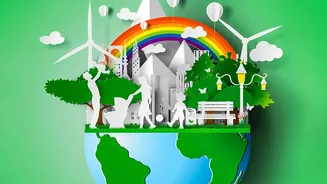
A growing concern for the environment is also shaping gifting choices. Many are rejecting items with excessive plastic packaging in favour of sustainable alternatives. This has led to the popularity of gifts like bamboo accessories, upcycled decor, reusable bags, and products in eco friendly packaging. These 'green gifts' align with a conscious consumer mindset that values longevity and minimal environmental impact. This trend often goes hand in hand with a desire to support small local businesses and artisans. Gifting a handcrafted item not only provides a unique present but also supports local economies and traditional crafts adding another layer of meaning to the act of giving.