




A Global Stamp of Approval
First, let's break down the terminology. A 'Ramsar site' is a wetland that has been declared internationally important under the Ramsar Convention. This global treaty was signed in Ramsar, Iran, in 1971, with the goal of promoting the conservation and 'wise
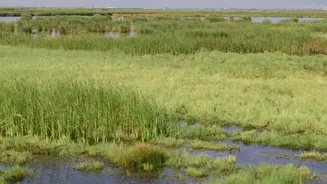
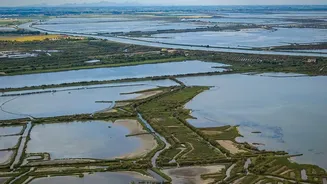
use' of wetlands worldwide. Think of it as a UNESCO World Heritage Site status, but for ecosystems like lakes, marshes, and rivers. For a site to make the list, it must meet specific criteria, such as supporting vulnerable species or unique ecological communities. With the inclusion of Glaw Lake, India now boasts 101 of these sites, the highest number in Asia. This journey, which began in 1981 with Chilika Lake and Keoladeo National Park, reflects a growing national commitment to preserving these critical natural assets.
Meet Glaw Lake: Arunachal's First
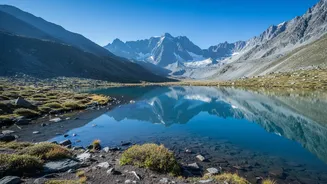
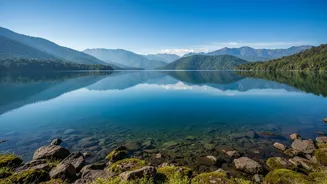
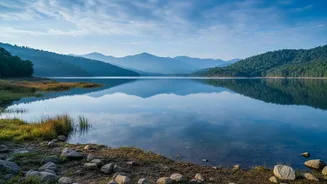
The newest member of this prestigious club is Glaw Lake, a pristine freshwater body nestled within the Kamlang Tiger Reserve and Wildlife Sanctuary in Arunachal Pradesh. As the state's very first Ramsar site, its designation is a landmark achievement. This isn't just any lake; it's a biodiversity hotspot fed by perennial mountain streams. The area surrounding the lake is incredibly rich, supporting over 150 tree species and nearly 50 different kinds of orchids. Its inclusion in the Ramsar list acknowledges its immense ecological value and provides a framework for its protection, ensuring this jewel of the Eastern Himalayas receives the additional care and conservation focus it deserves.
The Crown Jewels of the Himalayas
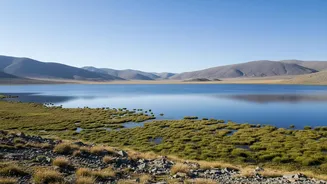
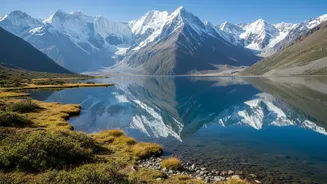
Glaw Lake represents a specific category of wetlands that are among the most beautiful and fragile on Earth: high-altitude wetlands. Generally defined as those located above 3,000 metres (around 9,800 feet), these ecosystems are often fed by glacial melt and snow. They are the 'water towers' of the subcontinent, regulating the flow of major Himalayan rivers that millions depend on downstream. These wetlands, like Tso Moriri in Ladakh and Chandertal in Himachal Pradesh, are not just stunning landscapes. They are critical habitats for rare and iconic species. For instance, the high-altitude wetlands of Ladakh are the only breeding ground in India for the majestic, black-necked crane. These ecosystems are sentinels of environmental health, and their condition tells us a lot about the state of the larger Himalayan region.
Threats on Thin Ice
Gaining a Ramsar tag is a victory, but the fight for survival for these wetlands is far from over. High-altitude ecosystems face a unique and urgent set of threats. Climate change is at the top of the list, with warming temperatures causing glaciers to retreat and altering the water supply that these wetlands depend on. Another major pressure comes from unregulated tourism. While beautiful, these pristine environments are ill-equipped to handle a high influx of visitors and the solid waste they leave behind. Furthermore, the push for infrastructure development, such as new roads and buildings, can fragment and degrade these sensitive habitats. Finally, changing economic aspirations in local communities can sometimes lead to increased resource extraction, upsetting a delicate traditional balance.
Conservation Beyond the Tag
It's important to understand that a Ramsar designation is not a magic shield. The convention itself is voluntary and non-regulatory, meaning it doesn't impose penalties. Instead, it provides a framework for wise management and draws international prestige and attention, which can unlock funding opportunities and technical support. The real work begins after the designation. Effective conservation requires a robust, science-based management plan that is implemented on the ground. It involves continuous monitoring of the ecosystem's health and, crucially, involving local communities. The livelihoods of many indigenous groups, like the nomadic herders of Ladakh, are deeply intertwined with these wetlands. Sustainable conservation must therefore balance ecological protection with the needs and knowledge of the people who call these landscapes home, ensuring they become partners in preservation.