






The New Normal: Erratic Weather
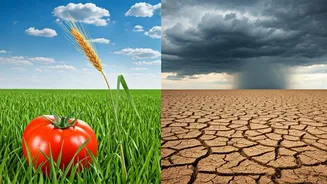
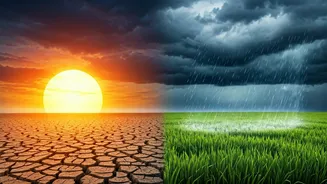
For generations, Indian life has moved to the rhythm of the seasons and the reliability of the monsoon. But that rhythm is changing. Climate change is leading to more frequent and intense extreme weather events. We're seeing longer and hotter heatwaves,
monsoons that are unpredictable—sometimes delayed, sometimes dumping too much rain in a short period—and an increase in floods and droughts. These aren't just one-off bad years anymore; they are becoming a recurring pattern that poses a significant threat to our agricultural heartland. A study by the Reserve Bank of India highlighted that these climate shocks are now a dominant factor in food price inflation, making it a persistent, or 'endemic', issue rather than a temporary spike.
From Field to Your Plate: The Supply Shock
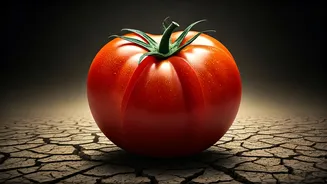
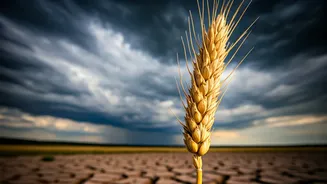
The journey of food from the farm to our tables is a complex chain, and extreme weather is breaking its links. Intense heat can scorch standing crops, reducing yields of staples like wheat even if rains are timely. For example, a rainfall deficit in 2023 reduced the sown area for essential pulses and oilseeds, causing retail prices to jump by 6-15%. Perishable vegetables are particularly vulnerable. Heavy rains in key growing regions like Himachal Pradesh and Karnataka have previously damaged tomato crops, leading to production declines of over 10% and causing wholesale prices to more than triple in a matter of weeks. Similarly, unseasonal rain and hailstorms in Maharashtra have decimated onion harvests, while frost in Uttar Pradesh has hit potato supplies.
The Kitchen Staples Taking the Biggest Hit
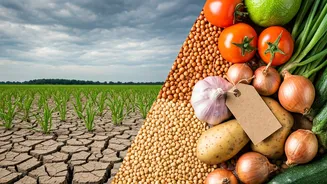
The trio of tomatoes, onions, and potatoes (TOP), the foundation of countless Indian meals, are proving to be the most susceptible to this new climate reality. Because their production is often concentrated in a few states, a localized weather event can create nationwide shortages and price volatility. In July 2023, vegetable inflation soared to 37% after heat and rain damaged tomato crops. By October 2024, it was potato shortages that pushed vegetable inflation to 42%. These are not just statistics; they represent real stress on household budgets, as food and beverages account for nearly half of India's Consumer Price Index (CPI). When the prices of these core ingredients surge, the impact is felt immediately and widely.
The Ripple Effect on Farmers and the Economy
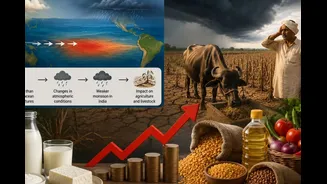
The impact of climate change on agriculture creates a painful double-edged sword. On one side, millions of small and marginal farmers, who produce the majority of India's vegetables, face devastating income losses from crop damage. Many lack access to safety nets like adequate crop insurance or infrastructure like cold storage to mitigate their losses. On the other side, consumers are hit with higher prices. This cycle of lower production, supply disruptions, and subsequent price hikes threatens to turn food security from a question of availability into one of affordability. The Reserve Bank of India now considers climate-related events so significant that it is factoring them into its inflation forecasting, acknowledging that these are no longer temporary shocks but a structural economic challenge.
Adapting to a Warmer World
Tackling this challenge requires action on multiple fronts. Experts point to the need for building a more resilient agricultural system. This includes investing in climate-smart practices like developing drought- and heat-resistant seed varieties and promoting protected cultivation in greenhouses for sensitive crops like tomatoes. Improving infrastructure is also crucial, from better weather forecasting and advisory services for farmers to expanding cold storage and refrigerated transport to reduce post-harvest losses. For households, understanding the direct link between a changing climate and the cost of food is the first step. It transforms an abstract environmental issue into a concrete, personal economic reality, highlighting the urgent need for both individual awareness and systemic solutions.