




Two Ways of Seeing the World
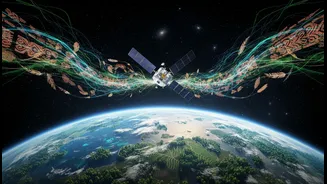
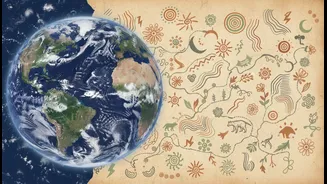
On one hand, you have Earth Observation (EO) or remote sensing. Satellites orbiting our planet capture vast amounts of data, monitoring everything from forest cover and water levels to ice thickness and fire risks. This gives scientists and policymakers
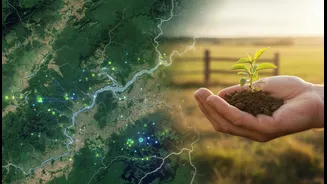
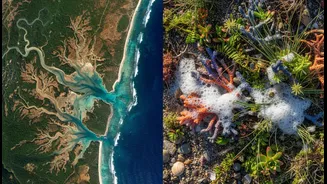
a large-scale, data-rich view of environmental changes. On the other hand, you have Traditional Ecological Knowledge (TEK), a term used to describe the deep, evolving understanding of the environment that Indigenous communities have built over hundreds, or even thousands, of years. This knowledge is passed down through generations and is deeply place-based, offering nuanced insights into the relationships between plants, animals, and natural events that satellite data alone cannot capture.
A Partnership in Practice
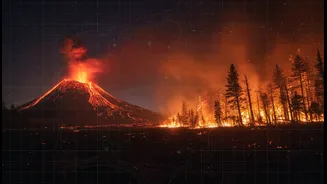
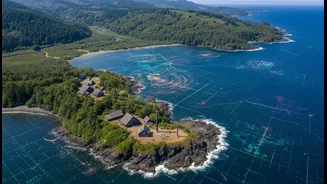
So how does this collaboration work in the real world? In the Canadian Arctic, Inuit communities are partnering with researchers to combine their deep knowledge of sea ice conditions with satellite imagery. While satellites can show the extent of ice cover, Inuit hunters possess generations of knowledge about its thickness, texture, and safety for travel—details crucial for both community life and tracking climate change impacts. Similarly, in Australia, Indigenous rangers are blending their ancient fire management techniques with satellite data that monitors fuel moisture levels across the landscape, leading to more effective and culturally informed fire prevention strategies. These partnerships aren't just about adding a new layer of data; they are about co-creating knowledge where both systems are treated as equals.
More Than Just Data
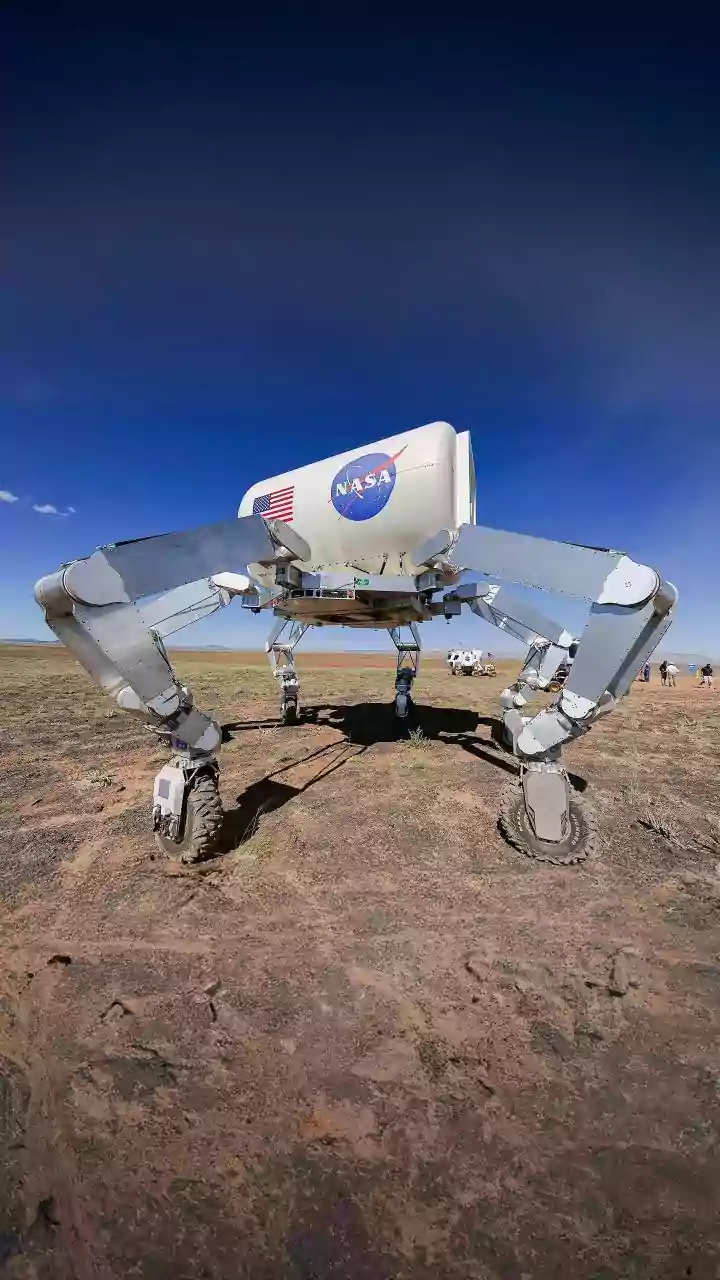
The fusion of these two knowledge systems creates a result that is greater than the sum of its parts. Satellite data provides the broad, quantitative overview, while TEK provides the crucial context, history, and on-the-ground validation. For example, satellite data might detect deforestation in the Amazon, but local Indigenous communities can provide the crucial information on whether it's due to illegal logging or traditional land management practices. This synergy leads to more accurate scientific models and, most importantly, more effective and equitable conservation actions. It also empowers Indigenous communities, giving them new tools to protect their ancestral lands and resources. Many projects are led by space agencies like NASA, which have programs dedicated to building these collaborative relationships.
Overcoming the Hurdles
The path to successful integration is not without challenges. Building trust between scientific institutions and Indigenous communities, which have often been marginalised by modern development, is a critical first step. Issues of data sovereignty—who owns and controls the information generated—must be carefully navigated to ensure the partnership is equitable. There can also be logistical and cultural barriers, such as translating technical terms into local languages and designing tools that are genuinely useful and accessible to the community. Successfully bridging these gaps requires a commitment to respectful dialogue, mutual learning, and ensuring that Indigenous communities are not just subjects of research but are leading partners in the process.
The View from India
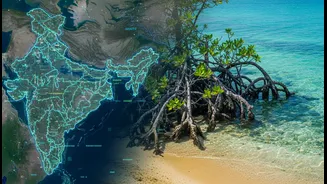
The potential for this integrated approach in India is immense. The country is home to a rich tapestry of Adivasi communities whose traditional knowledge systems have sustainably managed forests, water, and agricultural lands for centuries. Imagine pairing the Indian Space Research Organisation's (ISRO) satellite capabilities with the deep ecological knowledge of communities in the Western Ghats to monitor biodiversity hotspots, or with the wisdom of communities in the Himalayas to track glacial melt and water resources. From reviving ancient rainwater harvesting systems in Rajasthan to using traditional agricultural practices that enhance soil health, India's indigenous knowledge is a vital resource for building climate resilience. Combining this deep-rooted wisdom with modern technology could unlock powerful, localised solutions for India's most pressing environmental challenges.