


A Generational Shift in Travel
The monsoon, once considered the off-season for Indian tourism, is being dramatically rebranded by a new generation of travellers. Instead of avoiding the downpours, young Indians are actively seeking them out, leading to a remarkable surge in bookings
for scenic rail journeys. While official railway-wide youth statistics are granular, data from youth-focused travel and accommodation providers paints a clear picture. One hostel chain, Zostel, reported a massive 76% jump in bookings for Shimla this June compared to the last, with a notable 7-9% increase across all its mountain properties. [6] This trend isn't just about finding a dry spot; it's about chasing the clouds. It signifies a major cultural shift where the journey itself, drenched in rain and mist, has become the destination. This move away from peak-season crowds reflects a broader desire for more authentic, personal, and experience-led travel. [11]
The Social Media Effect
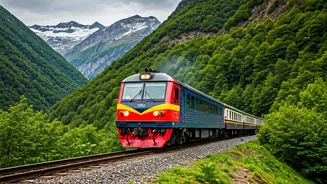
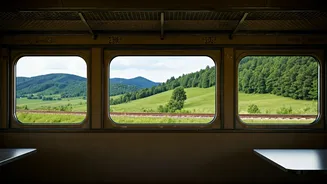
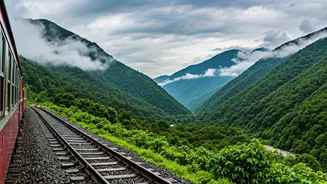
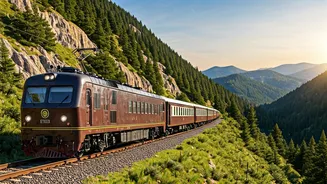
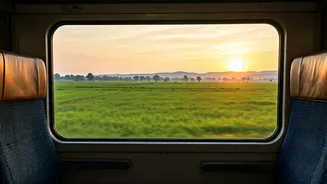
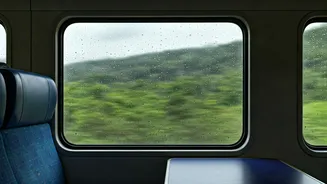
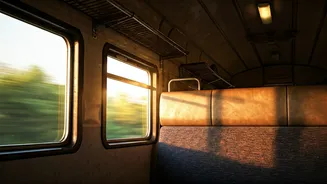
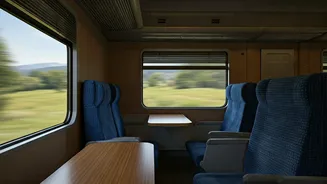
A significant driver of this trend is the undeniable power of social media. The visual allure of a train snaking through misty mountains, past roaring waterfalls and impossibly green valleys, is perfectly tailored for Instagram Reels and YouTube travel vlogs. The hashtag #MonsoonTravel is filled with cinematic shots from train windows, turning these journeys into aspirational digital content. Lesser-known destinations have gained overnight fame purely through social media buzz, drawing travellers to previously overlooked corners of the country. [6] The iconic blue and cream coaches of a toy train against a backdrop of rain-washed pine forests or the panoramic glass ceilings of a Vistadome coach on the Konkan route are more than just travel; they are shareable moments that inspire others to book their own rainy-day adventure. This digital word-of-mouth has proven more powerful than any traditional travel brochure.
Wanderlust on a Budget
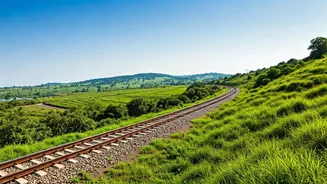
Beyond the aesthetics, practical economics makes monsoon travel highly appealing to a younger demographic of students and early-career professionals. The rainy season is still considered off-peak in many regions, meaning travellers can often find significant savings. Airlines and hotels frequently offer lower prices to attract customers, with domestic flight fares sometimes dropping by 30-50% compared to the winter peak. [5] Train travel, already a more economical option than flying, becomes even more attractive. This combination of lower transport and accommodation costs makes stunning, premium-feeling holidays accessible without breaking the bank. The value proposition is simple: experience the country at its most beautiful and serene, for a fraction of the peak-season cost.
Iconic Routes Come Alive
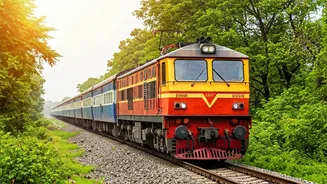
Certain railway lines are superstars of the monsoon season, offering unparalleled scenic beauty. The Konkan Railway route from Mumbai to Goa is legendary, a marvel of engineering that features over 2,000 bridges and 90 tunnels. [3] During the monsoon, the journey is a spectacular show of cascading waterfalls and lush coastal landscapes. [3, 8] Equally magical are the UNESCO World Heritage toy trains. The Kalka-Shimla Railway winds through more than 100 tunnels and pine forests shrouded in mist, feeling like a journey into a fairy tale. [3, 9] In the south, the Nilgiri Mountain Railway to Ooty chugs through tea plantations gleaming with fresh rain, with clouds often drifting right into the carriages. [3, 9] Further east, the Darjeeling Himalayan Railway offers intimate views of hill life against the backdrop of rain-fed tea gardens. [3, 8]