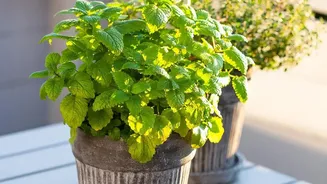

Choose Your Mint and Its Home
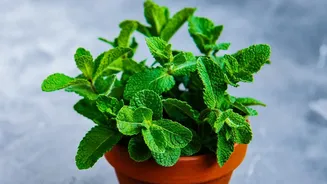
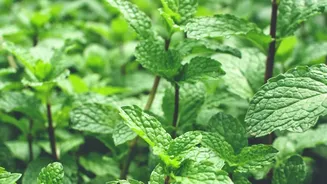
Not all mint is created equal. Spearmint and peppermint are classic choices, but unique varieties like chocolate mint, pineapple mint, and ginger mint can add an exciting twist to your culinary creations. Regardless of the type, mint is an aggressive
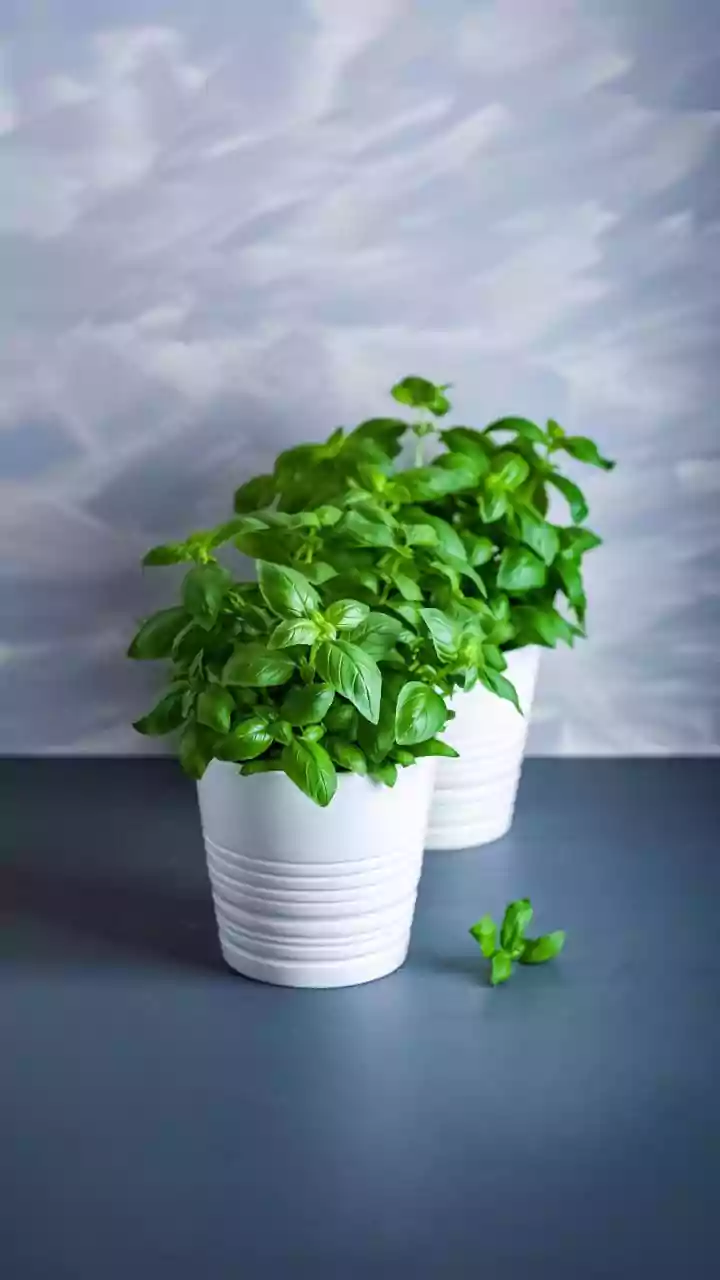
grower known for spreading. To prevent a friendly takeover of your other houseplants, give your mint its own dedicated pot. Select a container that is at least 8 to 12 inches wide to give its spreading roots, called runners, ample space. Proper drainage is non-negotiable to prevent root rot, so ensure your pot has holes at the bottom.
Get the Lighting Right
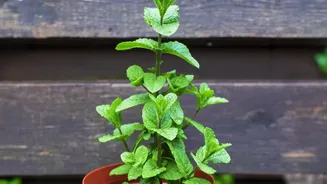
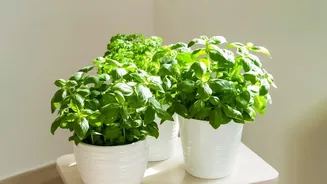
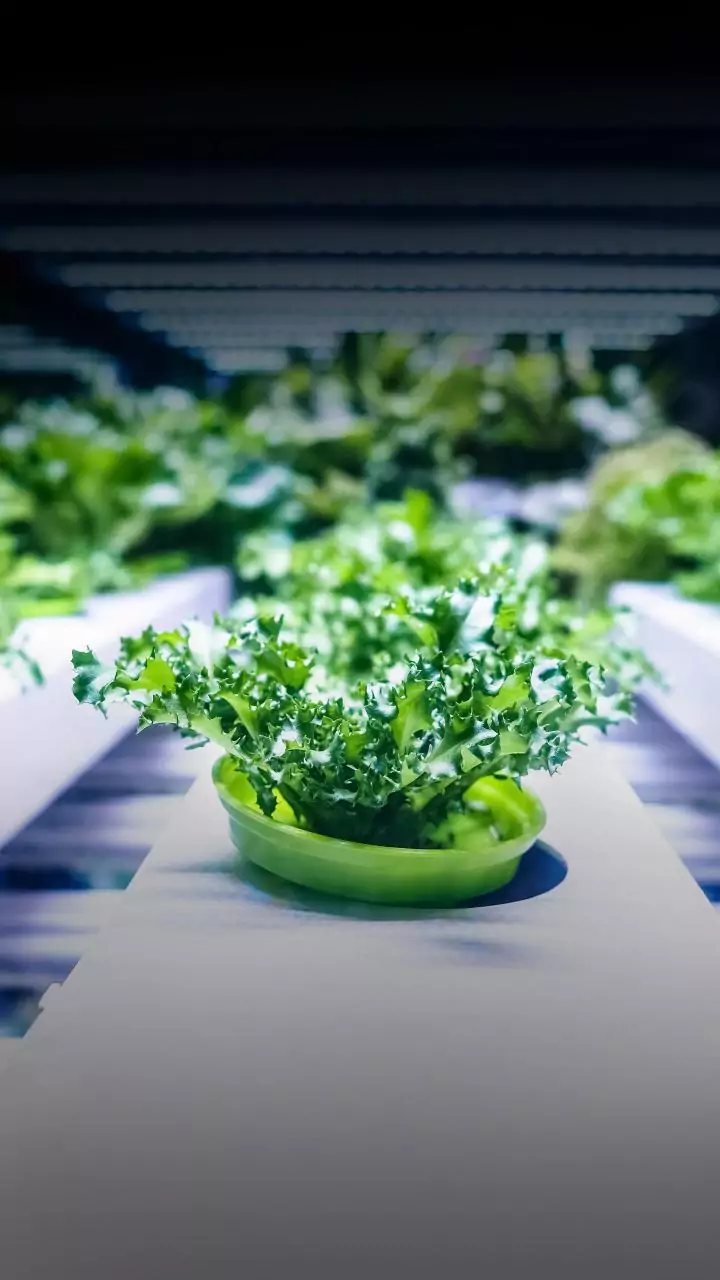
Mint thrives in bright light. For healthy, bushy growth, your plant needs at least four to six hours of sunlight per day. A spot near a sunny window, particularly one facing east or west, is often ideal. If you notice the plant's stems becoming long and 'leggy' with sparse leaves, it's a clear sign it is starving for more light. In low-light homes or during darker winter months, you can supplement with a full-spectrum LED grow light for 12 to 16 hours daily to keep your mint productive.
Master the Soil and Watering
Mint prefers soil that is consistently moist but never waterlogged. The biggest mistake beginners make is overwatering, which suffocates the roots. A good rule of thumb is to water thoroughly whenever the top inch of soil feels dry. Lift the pot; if it feels light, it is likely time for a drink. Use a quality, well-draining potting mix. Avoid using heavy garden soil, which compacts easily in containers and can lead to waterlogged roots. A mix containing peat moss or coco coir with added perlite for aeration is an excellent choice.
Harvest to Encourage Fuller Growth
Regular harvesting is the secret to a lush, bushy mint plant. Pruning encourages the plant to branch out, creating a fuller shape instead of growing into a few long, sparse stems. Begin trimming once the plant is established. When you need some leaves, don't just pluck them off one by one. Instead, snip the top of a stem just above a set of leaves, known as a leaf node. This technique encourages two new stems to grow from that point, effectively doubling the foliage. Routinely removing the tips prevents the plant from flowering, which can cause the leaves to lose some of their flavour.
Troubleshooting Common Problems
Even this easy-to-grow herb can have issues. Yellowing leaves often point to overwatering and potential root rot. If your plant is drooping, check the soil before adding more water; while it could be thirsty, drooping can also be a sign of suffocating, waterlogged roots. Pests like spider mites and aphids can sometimes appear, especially in dry, stagnant air. Keeping the plant healthy with proper light and watering is the best defence. If you spot pests, they can often be managed with organic insecticidal soap.