

The Science of Self-Watering
Self-watering planters operate on a simple yet brilliant principle: capillary action. A reservoir at the bottom of the container holds water, and a wicking system—often a fabric wick, absorbent plug, or a column of potting mix—acts as a bridge between
the water and the soil. This mechanism draws moisture upward against gravity, allowing the soil to absorb water as needed. As the plant's roots take in water, the soil wicks up more from the reservoir to maintain a consistent level of moisture. This bottom-up approach keeps the root zone perfectly hydrated without waterlogging the topsoil, which can help discourage surface pests and fungal growth. When working correctly, it eliminates the common gardening blunders of over and underwatering.
Signs of an Uneven System
Your plants will often be the first to tell you something is wrong. The most obvious sign of a malfunctioning wick is having dry, compacted soil at the surface while the water level in the reservoir remains unchanged. You might notice your plant's leaves are wilting, drooping, or turning yellow, which are classic signs of underwatering, even though you know there's plenty of water available below. In other cases, you might see the opposite problem: one side of the planter is consistently damp and may even grow algae, while the other side is bone dry. This indicates that water is being pulled up, but not distributed evenly throughout the container, leading to stunted growth or stressed plants in the dry zones.
How to Perform a Quick Check
Diagnosing an uneven wicking system is straightforward. First, perform a visual inspection. Check the water level in your reservoir. If it hasn't dropped for several days during a warm period, the wick may not be working at all. Next, use your finger to test the soil's moisture at various points around the planter. Push your finger about two inches deep on the left side, the right side, the front, and the back. If you find significant differences in moisture—for instance, one spot is moist while another is dusty and dry—you have an uneven wicking problem. For a more thorough test, you can carefully lift the plant and its soil mass out of the pot (if possible) to visually inspect the wicking material and the soil channels to see if there are obvious blockages or dry pockets.
Common Causes and Simple Fixes
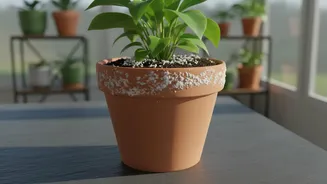
Several issues can cause a wicking system to fail or perform unevenly. The most common culprit is the potting mix itself. Heavy garden soil or overly compacted mix will not wick water effectively. The ideal soil for a self-watering planter is a light, porous, peat or coir-based potting mix with plenty of perlite or vermiculite to create air pockets and facilitate water movement. Another issue could be a clogged or dried-out wick. Mineral salts from fertilisers can build up over time and block the wick's pores. If the reservoir was allowed to run completely dry, the wick itself may have dried out and lost its ability to draw water; simply re-saturating it by hand can often solve the problem. Finally, poor contact between the wick and the soil can create a gap in the system. Ensure the wicking material is firmly seated in the potting mix so it can deliver water efficiently.
Resetting Your Planter for Success
If you've identified an issue, the fix is often simple but may require repotting. Start by gently removing the plant. Discard the old, compacted soil. If the wick is clogged with mineral buildup, it’s best to replace it. Many gardening stores sell replacement wicking material, or you can use synthetic fabric strips. Before repotting, ensure the new wick is thoroughly soaked. Use a fresh, high-quality potting mix designed for containers or wicking beds, which often contain a blend of peat moss, perlite, and compost. When you place the plant back in the pot, make sure the soil is packed gently but firmly around the wick to ensure good contact. After repotting, give the plant a light top-watering to help settle the soil and prime the wicking action. From then on, you should only need to fill the reservoir.