




The Old Way: A Theatrical Monopoly
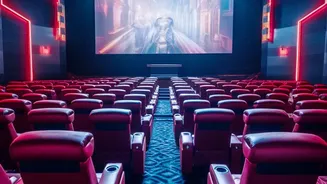
For generations, the path for an Indian film was linear and clear: a theatrical run was paramount. Producers would finance a film and then sell distribution rights to various territories. These distributors would, in turn, work with exhibitors—the owners
of single-screen cinemas and multiplexes—to get the film in front of audiences. A film's success was almost exclusively measured by its box office collections. Revenue from satellite TV rights and music was significant but secondary to the make-or-break theatrical performance. The period of a film’s exclusive run in cinemas, known as the theatrical window, was a sacred and lengthy affair, often lasting months before it would appear on television.
The Streaming Disruption
The arrival and rapid growth of Over-the-Top (OTT) platforms like Netflix, Amazon Prime Video, and Disney+ Hotstar, fueled by affordable data and widespread smartphone use, has fundamentally altered this model. Initially seen as a secondary market for older films, these platforms became major players, especially during the pandemic, when cinemas were shut. They began acquiring new films for direct-to-digital premieres, offering producers a lucrative, guaranteed payday and bypassing the risks of a theatrical release entirely. This trend established streaming as a powerful alternative, not just a supplement, to the big screen.
Navigating the New 'Hybrid' Model
Today, the industry is settling into a more complex, hybrid reality. While direct-to-digital premieres still happen, particularly for smaller or unconventional films, a new standard is emerging. Most big-budget films are returning to a 'theatrical-first' strategy, but with a significantly shorter exclusivity window. It has become common for a film to arrive on a streaming platform within eight weeks of its cinema debut for Hindi films, and sometimes as little as four weeks for South Indian films. This model allows producers to benefit from box office revenue while also securing a substantial deal for digital rights, which can significantly de-risk a project financially. The theatrical performance now often serves as a marketing benchmark that can increase a film's value when it eventually lands on an OTT service.
The Tug-of-War: Economics vs. Experience
This new landscape is a source of constant negotiation. For producers, selling digital rights upfront provides financial security in a notoriously unpredictable business. However, a short window between theatrical and digital release can train audiences to simply wait for the film to arrive on their subscription service, potentially cannibalizing box office revenue. Exhibitors, like major multiplex chains PVR INOX, are pushing for longer, standardized theatrical windows to protect their business and preserve the cinematic experience. They argue that the exclusivity of a theatrical run is crucial to drawing audiences back to cinemas, which have seen a rebound in attendance but still face volatility.
Creative Freedom and Audience Access
Beyond the financial-led decisions, the rise of streaming has had a profound creative impact. OTT platforms have provided a space for stories and talent that might have struggled to find a place in the star-driven, formulaic world of mainstream theatrical cinema. Niche subjects, experimental narratives, and character-driven dramas have found a willing audience online. For viewers, especially in smaller towns with limited screen access, streaming has democratized content, offering an unprecedented variety of films from different regions and languages at their fingertips. This has broadened the definition of what a successful Indian film can be, moving the goalposts beyond just box office numbers.