



The Next Frontier: Gaganyaan's First Flight
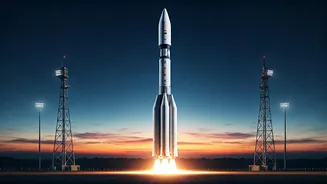
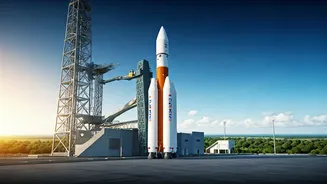
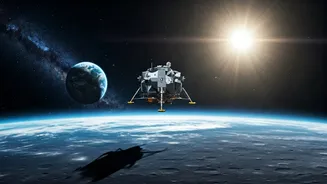
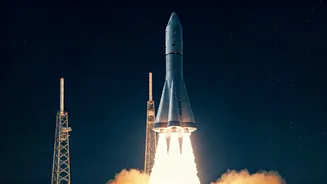
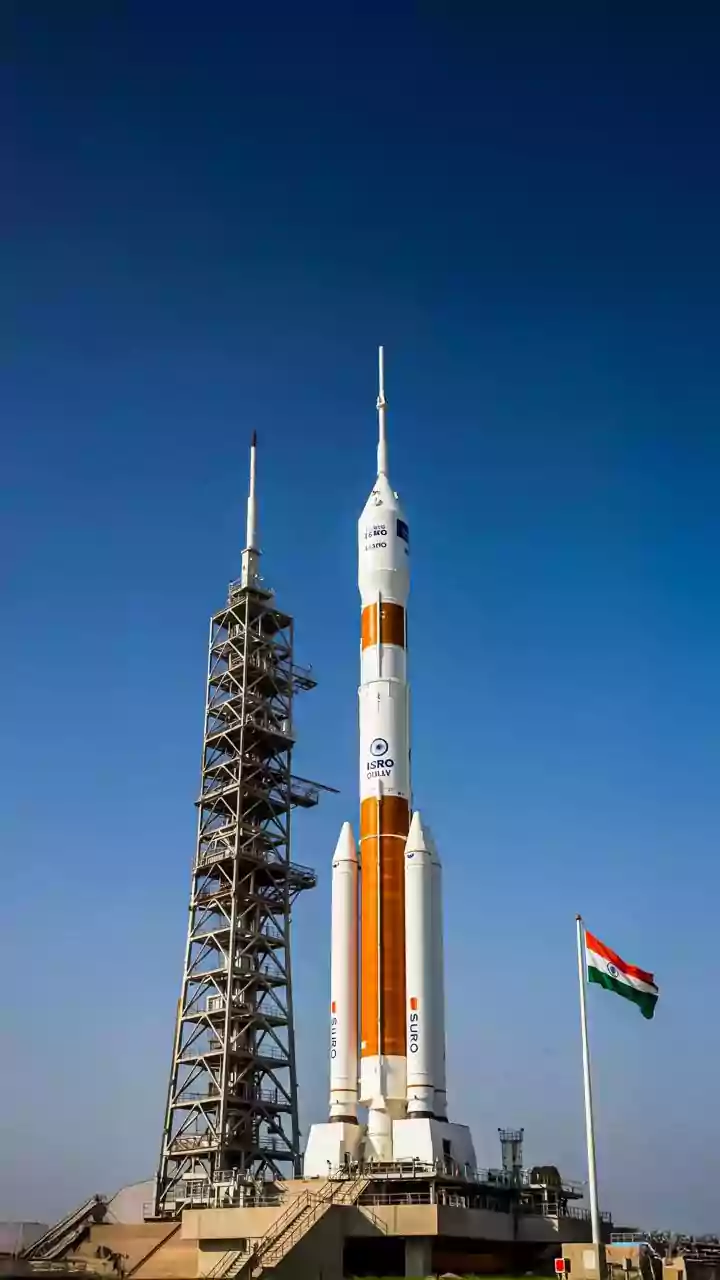
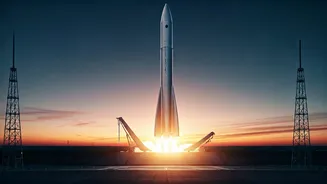
The most anticipated breakthrough is the Gaganyaan programme's first uncrewed orbital test flight, designated G1, scheduled for 2026. [7, 10] This mission is the critical dress rehearsal for India's first human spaceflight. Instead of astronauts, the G1 flight will
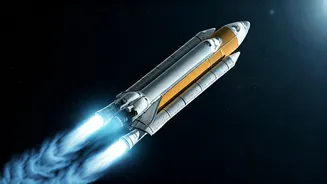
carry Vyommitra, a sophisticated female humanoid robot, into a low-Earth orbit of 400 kilometres. [9, 10, 22] Vyommitra will simulate human functions and test the performance of the crew module's life support systems, environmental controls, and re-entry dynamics. [9, 22] This uncrewed flight is an end-to-end test of the entire system, from the launch using the powerful, human-rated LVM3 rocket to the safe splashdown and recovery of the crew module, ensuring every component meets the absolute highest safety standards before Indian astronauts, or 'Gaganyatris', make the journey. [9, 21]
Joining an Elite Global Club
Successfully completing the Gaganyaan mission will make India only the fourth country in the world—after the United States, Russia, and China—to possess independent human spaceflight capability. [9, 13] This isn't just about sending a crew to space; it's about mastering a complex suite of technologies. The programme has driven indigenous development in everything from life-support systems and advanced avionics to crew escape protocols and robust astronaut training. [9, 13] The preparations have been immense, with thousands of ground and structural tests conducted to validate every system. [9] This mission is a statement of India's scientific prowess and self-reliance, building on a legacy of achieving complex space milestones with remarkable ingenuity and cost-effectiveness.
Beyond Gaganyaan: The Commercial Revolution
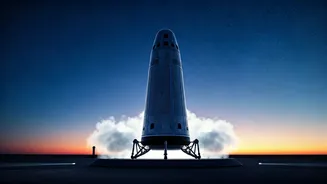
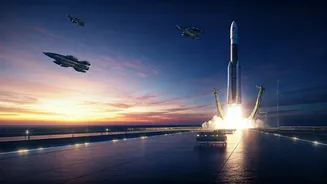
While Gaganyaan captures the imagination, it is part of a much broader and equally ambitious strategy to transform India into a global space-commercial hub. A key element of this is the development of Reusable Launch Vehicle (RLV) technology. [8] ISRO's winged vehicle, 'Pushpak', has already completed a series of successful autonomous landing experiments, paving the way for future rockets whose most expensive parts can be recovered and reused, drastically cutting launch costs. [11, 14] This technology is central to the planned Next Generation Launch Vehicle (NGLV), a heavy-lift rocket designed to make space access more affordable. [4, 12] To support this increased activity, India is rapidly expanding its infrastructure with a new spaceport in Kulasekarapattinam, Tamil Nadu, and a third launch pad at Sriharikota. [2, 15, 19] This expansion, coupled with policies encouraging private sector participation, is set to significantly grow India's share of the global space economy. [2, 18]
A Roadmap for India's Future in Space
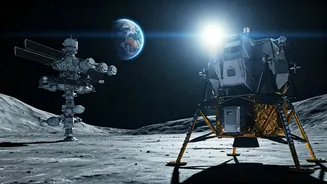
The upcoming breakthrough is a crucial stepping stone in a grand, long-term vision. The experience and technology gained from Gaganyaan are foundational for India's plan to establish its own modular space station, the Bharatiya Antariksh Station, with the first module targeted for a 2028 launch. [5, 6, 7] This station will allow for long-duration human missions and advanced scientific research in microgravity. [5, 17] Furthermore, these enhanced capabilities will support future deep-space exploration, including the Chandrayaan-4 lunar sample return mission and a planned orbiter to Venus. [2, 3] Each successful mission, from the uncrewed G1 flight to the development of reusable rockets, builds momentum, creating a self-reinforcing cycle of innovation that solidifies India’s role as a leader in space exploration for decades to come.