





The Science of Scent
Toasting spices is a culinary game-changer that works by waking up the dormant potential within them. When you apply gentle, dry heat to whole spices, you're doing two things. First, you are releasing their volatile essential oils. These oils are where
the unique aroma and flavour of each spice live. Heating them makes them more fragrant and expressive. Second, you trigger the Maillard reaction, a chemical process between amino acids and sugars that creates hundreds of new, complex flavour compounds. This is the same reaction that gives roasted coffee and toasted bread their deep, appealing flavours. The result is a spice that is nuttier, warmer, and more profound than its raw counterpart.
Dry Toasting: A Step-by-Step Guide
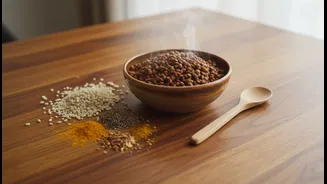
This is the most common and straightforward method. All you need is a heavy-bottomed pan, like a cast iron or stainless steel skillet, and your whole spices. Start by placing the clean, dry pan over a medium heat. Don't add any oil. Once the pan is warm, add your whole spices in a single layer, ensuring they aren't crowded. Keep the spices moving by stirring with a wooden spoon or shaking the pan frequently. Within two to four minutes, your kitchen will fill with a rich aroma, and you may notice lighter-coloured spices like coriander turning a shade darker. Your nose is your best guide; when the fragrance is strong and nutty, they are done. Immediately transfer the toasted spices to a cool plate to stop the cooking process, as the residual heat in the pan can burn them.
Blooming in Oil: The Tadka Technique
Another method, often used at the beginning of a recipe, is called blooming or tempering—widely known in India as 'tadka'. This involves heating spices in hot oil or ghee. The hot fat helps extract and distribute the spices' fat-soluble flavour compounds throughout the entire dish, creating a more integrated and consistent taste. To bloom spices, heat a couple of tablespoons of oil or ghee in a pan over medium heat. Once the fat is hot, add your whole or ground spices. They will sizzle and become intensely aromatic in about 30 seconds to a minute. This technique is perfect for infusing dal, curries, and vegetable dishes with a foundational layer of flavour right from the start.
Which Spices to Toast?
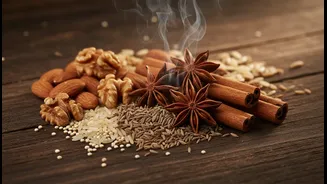
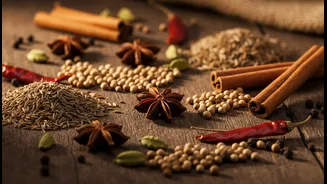
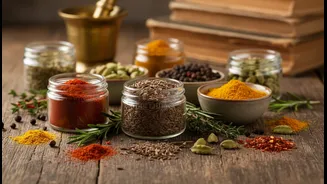
Almost any whole spice can be improved with toasting. Seeds like cumin, coriander, fennel, and mustard are classic candidates. Their flavours transform dramatically, with cumin becoming earthy and nutty, and coriander turning sweeter and more citrusy. Other excellent choices include whole peppercorns, cloves, cardamom pods, fenugreek seeds, and even cinnamon sticks and star anise. It's best to toast spices of a similar size together to ensure they cook evenly. Spices with a high oil content, such as cloves and sesame seeds, toast very quickly and require close attention to avoid burning. While you can toast ground spices, they burn much faster and are better suited for blooming in oil.
From Toasted to Ground
Toasting not only enhances flavour but also improves texture, making spices more brittle and easier to grind into a fine powder. After toasting your whole spices and letting them cool completely, you can grind them using a mortar and pestle or a dedicated spice grinder. Grinding spices right after toasting ensures you capture their peak potency, as the aromatic oils begin to dissipate quickly once they are pulverized. A freshly ground, toasted spice blend can elevate a simple homemade masala or curry powder to a completely new level of deliciousness, offering a depth of flavour that pre-ground spices from a jar simply cannot match.