






Plan Your Meals, Master Your Budget
The single most effective way to combat rising grocery costs is to plan ahead. Walking into a store without a list is an invitation for impulse buys and overspending. Before you shop, take a few minutes to plan your meals for the week. Check your pantry
and fridge to see what you already have, then build a shopping list based only on what you need. This simple habit not only prevents you from buying duplicate items but also significantly reduces food waste, saving you money twice over.
Embrace Local and Seasonal Produce
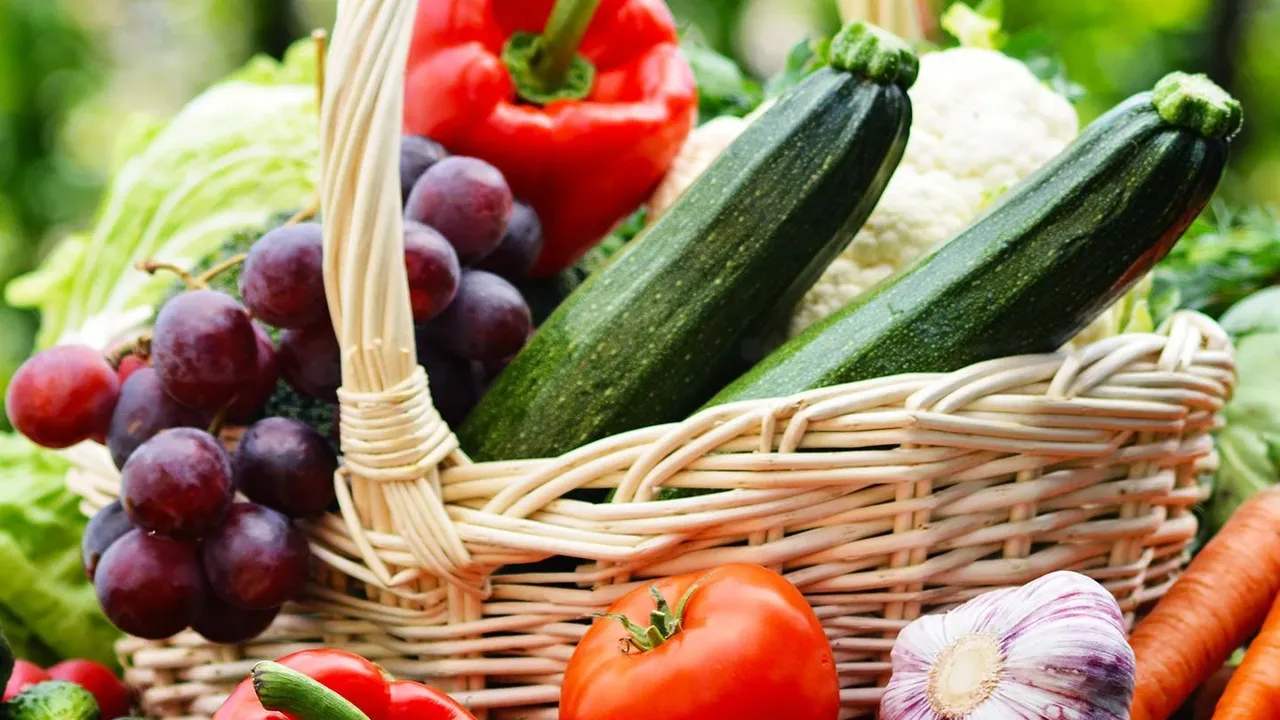
Your local sabzi mandi is your best friend in the fight against food inflation. Seasonal fruits and vegetables are not only fresher and more nutritious, but they are also considerably cheaper than out-of-season or imported options. Produce that doesn't have to travel long distances has a lower cost and a richer flavour. Shopping at local markets also supports farmers in your community, creating a win-win situation for your wallet and the local economy.
Shop Smart: Bulk Buys and Store Brands
For items with a long shelf life, buying in bulk can lead to significant savings. Staples like rice, dals, flour, and sugar are often 5-15% cheaper when purchased in larger quantities. However, be strategic—only buy what you will realistically use to avoid waste. Another easy switch is to opt for store brands over big-name labels for everyday items. In many cases, the quality is comparable, but the price is much lower, which can trim your bill without any sacrifice.
Reduce Food Waste in Your Kitchen
Every vegetable that wilts in the fridge or leftover that gets thrown away is wasted money. Get creative with what you have. Use leftover dals to make parathas, or turn vegetable peels and scraps into a nutritious stock. Properly storing your groceries is also crucial. Keep spices in airtight containers and store flours and lentils in cool, dry places to extend their shelf life. Before you rush to the store, do a quick audit of your kitchen—you might be surprised by the meals you can create with what you already own.
Cook More, Order Less
While convenient, frequent online food orders and takeaways are a major drain on finances. Cooking at home is almost always the more economical choice. If time is a constraint, try batch cooking on weekends. Prepare larger quantities of base gravies, boiled lentils, or chopped vegetables that you can use for quick meals throughout the week. This not only saves you money but also gives you complete control over the ingredients, leading to healthier eating habits.