





The Great Debate: Kasol vs. Jibhi
Choosing between Kasol and Jibhi is the first step in planning your Himalayan workation, and it comes down to the kind of experience you want. These are not just two different locations; they represent two different states of mind. Kasol, nestled in the vibrant
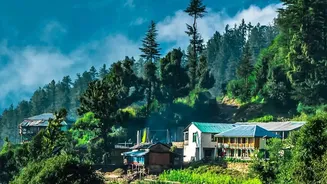
Parvati Valley, is a bustling hub known for its energetic cafe culture, international backpacker crowd, and social atmosphere. It’s the place to be if you thrive on energy, enjoy meeting new people, and want plenty of options for food and evening activities. In contrast, Jibhi, tucked away in the serene Tirthan Valley, is the epitome of peace. It's a quieter, more offbeat destination where the pace of life slows down, making it ideal for deep, focused work, quiet contemplation, and disconnecting from the chaos.
Kasol: For the Social Techie
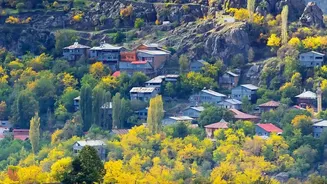
If your ideal work-life balance includes coding by day and mingling in lively cafes by night, Kasol is your destination. The town and its nearby villages like Chalal are geared towards a social, transient population. This means you'll find a wide array of budget-friendly hostels and guesthouses offering weekly and monthly rates. The cafe culture is strong, with many spots offering decent Wi-Fi and a place to plug in your laptop. However, be aware that Kasol's popularity means it can get crowded and noisy. For those who need absolute quiet for calls and concentration, a homestay in a nearby village like Chalal—a short hike away—might offer a better balance, providing peace while keeping the main town's amenities accessible.
Jibhi: For the Coder Seeking Solitude
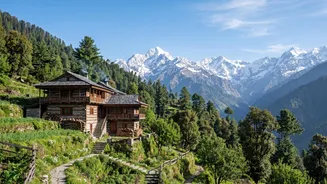
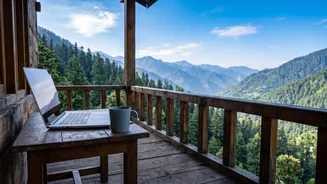
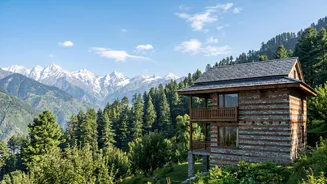
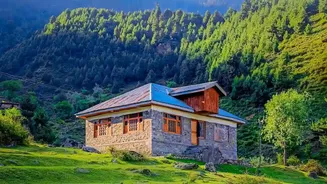
For techies whose primary goal is to escape distractions and find deep focus, Jibhi is a clear winner. The village is known for its traditional wooden homestays, stunning views of deodar forests, and the tranquil sound of the Tirthan River. Life in Jibhi is slower, a concept locals call "Ailyak"—the art of unhurried living. It’s less about a party scene and more about waking up to birdsong, taking afternoon walks to a waterfall, and enjoying home-cooked meals. While it's more remote and has fewer ATMs or bustling markets, it is becoming increasingly workation-friendly. The key is to book a stay that specifically caters to remote workers, ensuring you have the tranquility you crave without sacrificing the connectivity you need.
The Tech Essentials: Wi-Fi and Power
For any techie, a workation is only as good as its internet connection. In both Kasol and Jibhi, connectivity has improved significantly, but it requires due diligence. Don't just ask if a homestay has "Wi-Fi"; ask if it's a stable broadband connection (like JioFiber or BSNL) or just a mobile hotspot, as the latter can be unreliable. Power cuts can also be a reality in the mountains, especially during monsoon season. A homestay with a power inverter or backup generator is non-negotiable for ensuring your work isn't interrupted. In terms of mobile networks, Airtel and Jio generally perform well in both locations, with some reports suggesting Airtel 5G has a strong presence in parts of Parvati Valley. Always confirm the specifics with your host before booking a long stay.
Affordability and Finding a Homestay
Both destinations offer affordable options, especially for long-term stays. Prices for a private room in a homestay or guesthouse can be found for weekly or monthly rates that are far more economical than nightly tourist prices. Many hosts offer significant discounts for stays longer than a week, particularly during the off-season. You can find dorm beds in hostels for as low as ₹500-₹800 per night, while private rooms on a weekly basis might start from around ₹10,000, depending on the season and amenities. Platforms like Airbnb, Goibibo, and even Facebook groups are valuable resources for finding these homestays and connecting directly with hosts to negotiate long-stay rates and confirm tech-friendly amenities.