







Why Monsoon Messes With Your System
The rainy season, or Varsha Ritu as it's known in Ayurveda, is a beautiful time of year, but it can be challenging for our bodies. The increased humidity and drop in temperature can weaken our digestive fire, or 'Agni', making us more susceptible to issues
like bloating, indigestion, and constipation. Furthermore, the damp environment is a breeding ground for bacteria and viruses, which means our immune system has to work overtime to fend off infections, colds, and flu. This is why paying close attention to your diet during the monsoon is crucial for maintaining good health.
The Nutritional Power of Pears
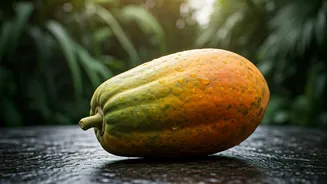
Enter the pear, a seasonal fruit that becomes widely available just when we need it most. This bell-shaped fruit is more than just a sweet treat; it’s a nutritional powerhouse. Pears are an excellent source of dietary fibre, particularly pectin, and are packed with essential vitamins like Vitamin C and Vitamin K. They also contain important minerals such as potassium and copper, along with a host of powerful antioxidants like flavonoids. This impressive nutrient profile makes them a valuable addition to your diet for navigating the health challenges of the monsoon.
Your First Line of Defence: Boosting Immunity
One of the most significant benefits of eating pears during the monsoon is their ability to strengthen the immune system. They are rich in Vitamin C, a powerful antioxidant that is essential for the production and function of white blood cells, which are our body's primary soldiers against infections. Consuming pears can help bolster your natural defences against the common colds and viral infections that are rampant during this season. The antioxidants in pears also help fight inflammation and protect cells from damage caused by free radicals.
A Gut-Friendly Choice for Sluggish Digestion
If you experience digestive issues during the rains, pears can offer significant relief. They are an excellent source of both soluble and insoluble fibre, which is crucial for a healthy digestive system. A single medium-sized pear can provide a significant portion of your daily fibre needs. The insoluble fibre helps add bulk to stool, promoting regular bowel movements and preventing constipation, a common complaint when our digestive systems slow down. Meanwhile, the soluble fibre, pectin, acts as a prebiotic, feeding the beneficial bacteria in your gut and promoting a healthy microbiome. To get the maximum fibre benefit, it is recommended to eat the pear with its skin on.
Hydration and Weight Management
It’s easy to forget to drink enough water during the cool, humid monsoon days, but staying hydrated is still important. Pears have a high water content—over 80%—which can help you meet your daily hydration needs and flush out toxins. Additionally, if you're trying to avoid the temptation of fried monsoon snacks, a pear can be your best friend. Being low in calories but high in fibre and water, they help you feel full for longer. This can prevent overeating and help in managing weight, making it a smart and healthy snacking choice.
Simple Ways to Enjoy Pears
Incorporating this wonder fruit into your monsoon diet is incredibly easy. The best way is to eat them fresh and unpeeled to retain all the nutrients. You can slice them into salads for a touch of sweetness, blend them into a smoothie, or add them to your morning bowl of oatmeal. For a warm, comforting treat on a rainy evening, you can make simple stewed pears by simmering them with a bit of water and a cinnamon stick. This versatility ensures that you can enjoy the benefits of pears in a way that suits your palate.