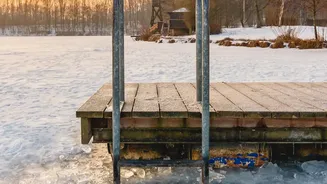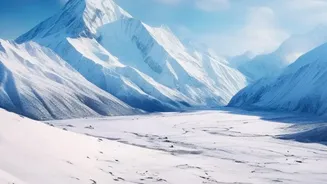


As winter drapes the landscape in a blanket of white, something magical happens to the world’s great lakes. They transform into vast, solid plains of ice, offering surreal beauty and unique adventures for travellers seeking a different kind of thrill.
Lake Baikal, Russia: The Pearl of Siberia
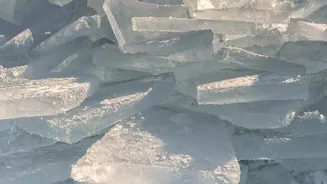
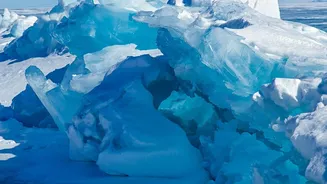
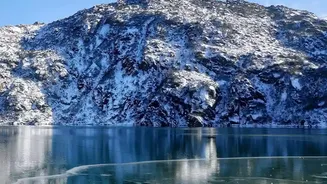
Known as the 'Pearl of Siberia', Lake Baikal is the world's oldest and deepest freshwater lake. Come winter, it transforms into an otherworldly spectacle. The ice, which can reach up to 1.5 meters thick, is famously transparent, allowing you to gaze into the dark, mysterious depths below. The surface is a dynamic canvas of cracks, bubbles of trapped methane gas, and massive shards of turquoise ice called hummocks. For the truly adventurous, February and March are the prime months when official ice roads open, allowing vehicles to drive across sections of the lake. Other activities include ice-skating, ice-fishing, and exploring ice caves and grottoes that form along the shoreline. Despite average temperatures of -21°C, the sheer beauty makes it an unforgettable expedition.
Pangong Tso, India: The High-Altitude Chameleon
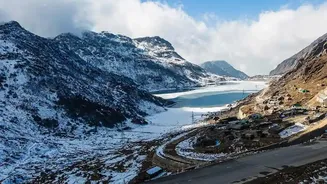
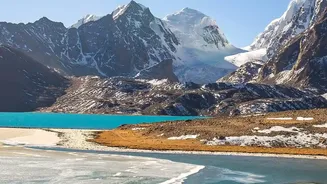
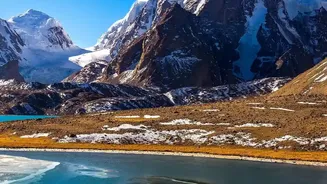
Stretching from India's Ladakh region into Tibet, Pangong Tso is a high-altitude marvel situated at over 4,200 meters. Famous for its ability to change colour from deep blue to green, this saline lake freezes completely during the harsh Himalayan winter. The journey to the lake itself is an adventure, crossing high mountain passes. Once a quiet and remote destination, it gained fame after being featured in the film '3 Idiots'. Today, it attracts adventurers who come to witness the stark, serene beauty of the frozen expanse surrounded by snow-dusted mountains. Since 2023, it has hosted the world's highest frozen lake marathon, an event designed to raise awareness about climate change's impact on Himalayan glaciers.
Lake Bled, Slovenia: A Fairytale Frozen in Time
Lake Bled is the stuff of fairytales, and winter only enhances its charm. With a medieval castle perched on a cliff above and a tiny, church-topped island in its centre, the scene is breathtaking when dusted with snow. While the lake doesn't freeze solid every year, when it does, it becomes a natural ice rink for locals and tourists. Even if the ice isn't thick enough for skating, the experience is magical. You can still take a traditional 'pletna' boat to the island or walk the 6km path around the shore for stunning views. The surrounding Julian Alps offer plenty of winter activities, including skiing and snowshoeing, making Bled a perfect base for a winter getaway.
Jökulsárlón, Iceland: Where Glaciers Meet the Sea
While technically a glacial lagoon, Jökulsárlón offers one of the most dynamic and accessible ice experiences in Europe. Located on Iceland's south coast, the lagoon is filled with icebergs that have broken off from the Breiðamerkurjökull glacier. These ancient, blue-streaked ice chunks float slowly towards the ocean, and while the lagoon doesn't freeze solid due to its mix of fresh and saltwater, the winter landscape is surreal. Many icebergs wash ashore on the nearby black sand beach, creating the famous 'Diamond Beach' where they glitter against the dark sand. Winter is also the prime season for guided tours into natural ice caves formed within the glacier and for hunting the Northern Lights.
Lake Weissensee, Austria: Europe's Natural Ice Rink
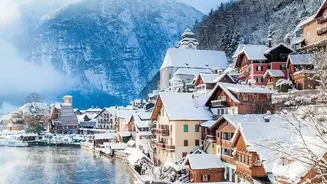
For ice skating enthusiasts, Lake Weissensee in the Austrian state of Carinthia is a premier destination. It is renowned for having Europe's largest consistently prepared natural ice surface, with a sheet of ice that can be up to 40cm thick. Spanning 6.5 square kilometers, the frozen lake attracts everyone from families on a leisurely skate to professional speed skaters participating in events. The setting is spectacular, surrounded by the snow-covered Gailtal Alps. Beyond skating, the area offers cross-country skiing, winter hiking, and a serene alpine atmosphere far from bustling ski resorts.