




Beyond the Fluffy Robe
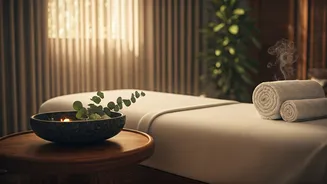
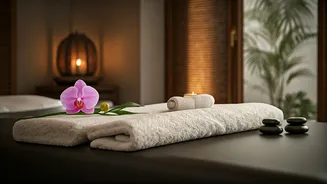
For years, the word ‘spa’ conjured a specific image: a quiet, dimly lit room, the scent of lavender oil, and a choice between a Swedish massage or a brightening facial. It was a luxury, a treat, an escape for a few hours. That version of the spa isn't
gone, but it’s been eclipsed by something bigger, more intentional, and frankly, cooler. Today’s wellness retreats are rebranding self-care not as passive pampering, but as an active, immersive experience. They are less about escaping life and more about learning how to live it better. The fluffy robe is still there, but now it’s what you wear between a sunrise yoga session, a workshop on gut health, and a guided meditation under the stars.
The New Wellness Itinerary
So, what does a ‘cool’ spa retreat look like? The itinerary is the first clue. Instead of an à la carte menu of treatments, modern retreats offer structured programs targeting specific goals: digital detox, stress reduction, emotional healing, or fitness transformation. The activities are holistic and evidence-based. Think less about temporary fixes and more about sustainable practices. You might find sound baths using crystal bowls to realign your energy, farm-to-table meals curated by a nutritionist, or forest bathing (shinrin-yoku) excursions designed to lower cortisol levels. Many now incorporate expert-led workshops, bringing in psychologists, renowned yogis, or sleep scientists. The focus is on providing guests with tangible tools they can integrate into their daily lives long after they’ve checked out.
Driven by a New Generation
This evolution is being fuelled by a generation that views wellness as a necessity, not an indulgence. Millennials and Gen Z, raised in an ‘always-on’ digital culture, are actively seeking antidotes to burnout. For them, health is multifaceted, encompassing mental, emotional, and spiritual well-being. They value experiences over possessions, and a trip designed to improve their inner world is a worthwhile investment. This demographic is also highly visual. The aesthetic of these retreats—from minimalist architecture integrated with nature to beautifully plated organic food—is undeniably a factor in their appeal. It’s self-care that’s not only effective but also shareable, turning personal wellness journeys into aspirational content that inspires others.
India’s Wellness Renaissance
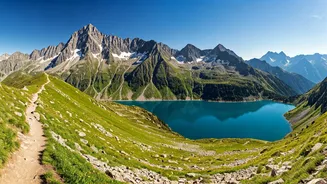
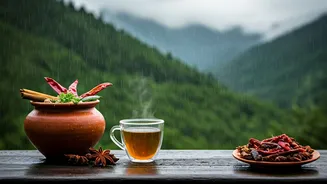
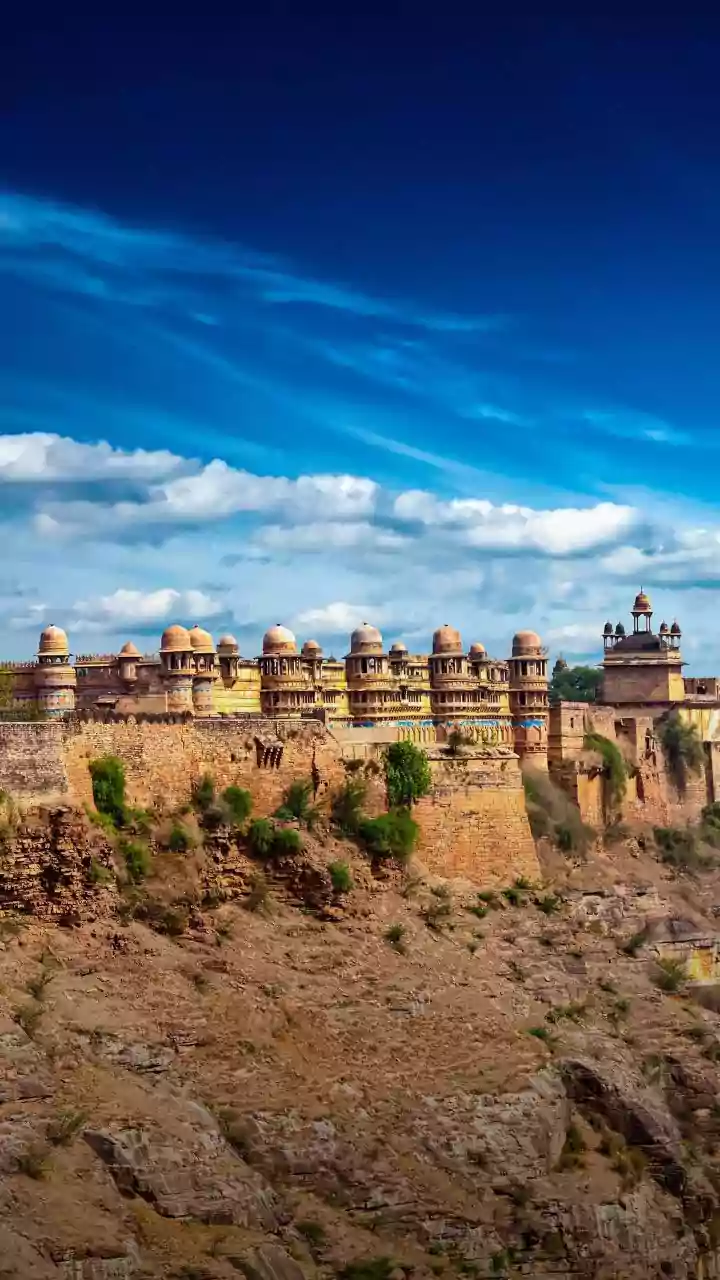
India, with its deep roots in ancient wellness philosophies, is at the forefront of this trend. The country is witnessing a renaissance where traditional practices like Ayurveda, Yoga, and Vedanta are being presented in sophisticated, modern contexts. You no longer need to commit to a stark, rigid ashram to experience authentic healing. Luxury properties in the Himalayas offer yoga with panoramic mountain views, while serene backwater retreats in Kerala provide bespoke Ayurvedic detox programs guided by qualified doctors. Boutique properties in Goa and Rajasthan are blending local culture with mindfulness practices, creating destinations that feel both rooted and contemporary. These retreats leverage India’s heritage, making it accessible and appealing to a global and domestic audience seeking more than just a standard vacation.
A Vacation with Homework
Ultimately, the key difference between a holiday and a modern wellness retreat is purpose. A holiday is an escape from your routine; a wellness retreat is an engagement with yourself, guided by experts. While a beach vacation might leave you rested, a spa retreat aims to leave you changed. It’s a vacation with a positive kind of homework: to eat more mindfully, to incorporate a five-minute meditation into your morning, or to put your phone away an hour before bed. The goal isn't just to feel good for a week, but to build a foundation for feeling good for life. It’s this focus on empowerment and long-term benefit that has shifted spa travel from a guilty pleasure to a smart, cool, and increasingly essential form of self-investment.